In an era defined by global shifts and changing traveler priorities, the criteria for choosing an international holiday destination have evolved. While scenic beauty remains a draw, modern travelers are increasingly prioritizing safety, logistical ease, and reliability. As tourism statistics for 2026 begin to emerge, Singapore has solidified its position as a global leader in stress-free travel. For those seeking a seamless transition from planning to arrival, the Lion City offers a rare combination of political stability, world-class infrastructure, and a welcoming atmosphere that appeals to a diverse demographic of world travelers.
Official data from tourism boards highlights a significant trend: travelers are moving away from high-friction destinations in favor of those that offer “travel certainty.” Singapore’s strategic investment in its entry processes, particularly for major regional markets like India, has removed the traditional anxieties of international exploration. With a streamlined visa process and unparalleled air connectivity, the city-state serves as an accessible gateway for those looking to explore Southeast Asia without the typical administrative hurdles.
Asia’s Premier Cruise Capital: A New Era of Maritime Adventure
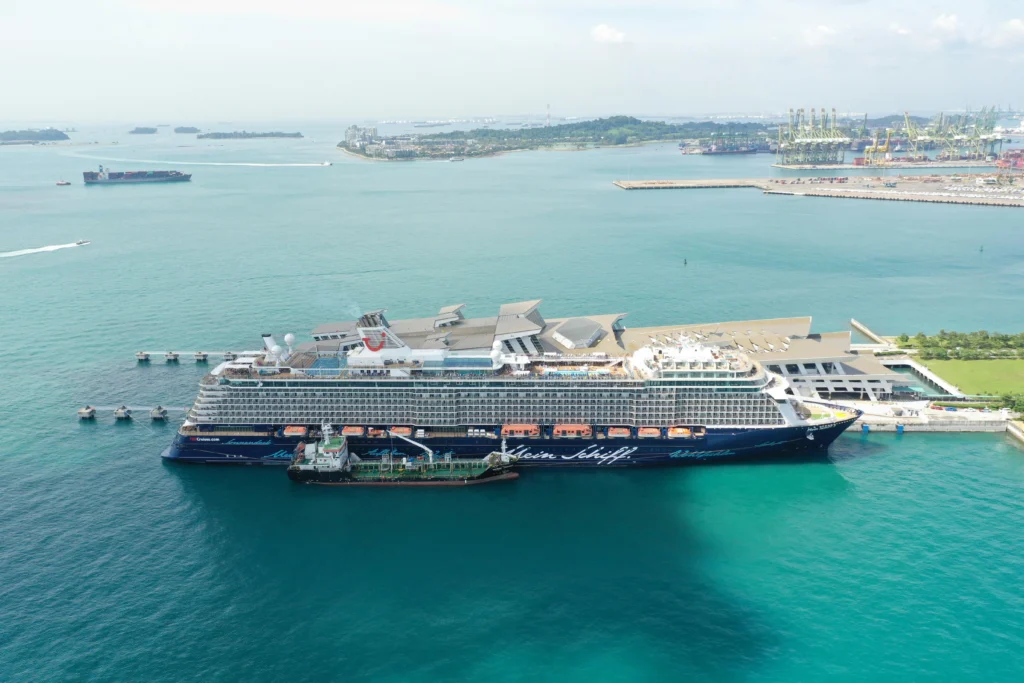
One of the most significant contributors to Singapore’s tourism surge in 2026 is its status as the preeminent cruise hub of Asia. The city’s state-of-the-art cruise terminals serve as the launchpad for journeys across Malaysia, Thailand, and Indonesia, making it the perfect base for travelers who desire “multi-destination” experiences within a single trip. The variety of maritime offerings available in 2026 ensures that every traveler, from budget-conscious families to luxury-seeking couples, finds a suitable itinerary.
The maritime sector has seen a massive boost with the official arrival of the Disney Cruise Line. Since its debut in March 2026, the Disney Adventure has revolutionized family travel in Asian waters. By bringing iconic storytelling and immersive entertainment to the region, it has captured a significant share of the family tourism market. Complementing this is the long-standing popularity of the Genting Dream, which provides a culturally familiar and high-quality experience for regional visitors.
Looking toward the latter half of the year, the Ministry of Transport and tourism authorities have confirmed the return of Royal Caribbean in October 2026. The deployment of the Navigator of the Seas is expected to drive a new wave of high-energy tourism, offering diverse dining and entertainment options that cater to multi-generational groups. This dynamic mix of cruise brands confirms Singapore’s role as a global innovator in sea-based travel.
A Destination Built for Multi-Generational Memories
Singapore’s success is not accidental; it is the result of deliberate urban planning that caters to all ages. Recent visitor profile statistics reveal a balanced demographic distribution: children now account for 14.33% of visitors, young adults for 23%, and middle-aged travelers for over 35%. This data underscores the city’s rare ability to engage every member of a family unit simultaneously.
The city offers a unique blend of futuristic marvels and natural escapes. From the iconic, biodiverse biomes of Gardens by the Bay to the adrenaline-fueled attractions of Universal Studios Singapore, the “fun factor” is consistently high. However, the 2026 travel season has also seen a rise in “slow tourism.” Official releases from the National Parks Board highlight increased footfall in serene locations like the Rifle Range Nature Park, offering travelers a chance to reconnect with nature through quiet walks and wildlife observation. Cultural immersion remains a staple, with the vibrant districts of Chinatown and Little India providing a sensory journey through the nation’s rich heritage.
Culinary Comfort and the Retail Experience
For many international visitors, particularly those from South Asia, culinary familiarity is a decisive factor in destination loyalty. Singapore’s Ministry of Sustainability and the Environment, which oversees the city’s famed hawker centers, continues to ensure that food safety and variety are world-class. The abundance of vegetarian and authentic Indian options means that travelers spend less time worrying about meal logistics and more time enjoying their holiday.
Shopping also remains a primary driver of the local economy. From the high-end luxury labels that line Orchard Road to the iconic 24-hour convenience of the Mustafa Centre, the retail landscape is designed for both the luxury connoisseur and the bargain hunter. This versatility ensures that Singapore remains a top-tier “shopping tourism” destination, where modern malls coexist with traditional markets, offering something for every budget.
The Bottom Line: Stability in a Changing World
The primary takeaway for the 2026 travel season is that Singapore has successfully branded itself as a destination of “peace of mind.” In a world where travel can often feel unpredictable, the city provides a controlled, safe, and highly efficient environment.
Whether it is the safety of walking through the city at night, the reliability of the MRT public transport system, or the excitement of a new Disney cruise, Singapore delivers a consistent experience. It is not merely a convenient choice; it is a strategic one for those who believe that a holiday should be defined by discovery rather than anxiety. As the year progresses, Singapore continues to prove that reliability is the ultimate luxury in modern travel.
For more travel news like this, keep reading Global Travel Wire