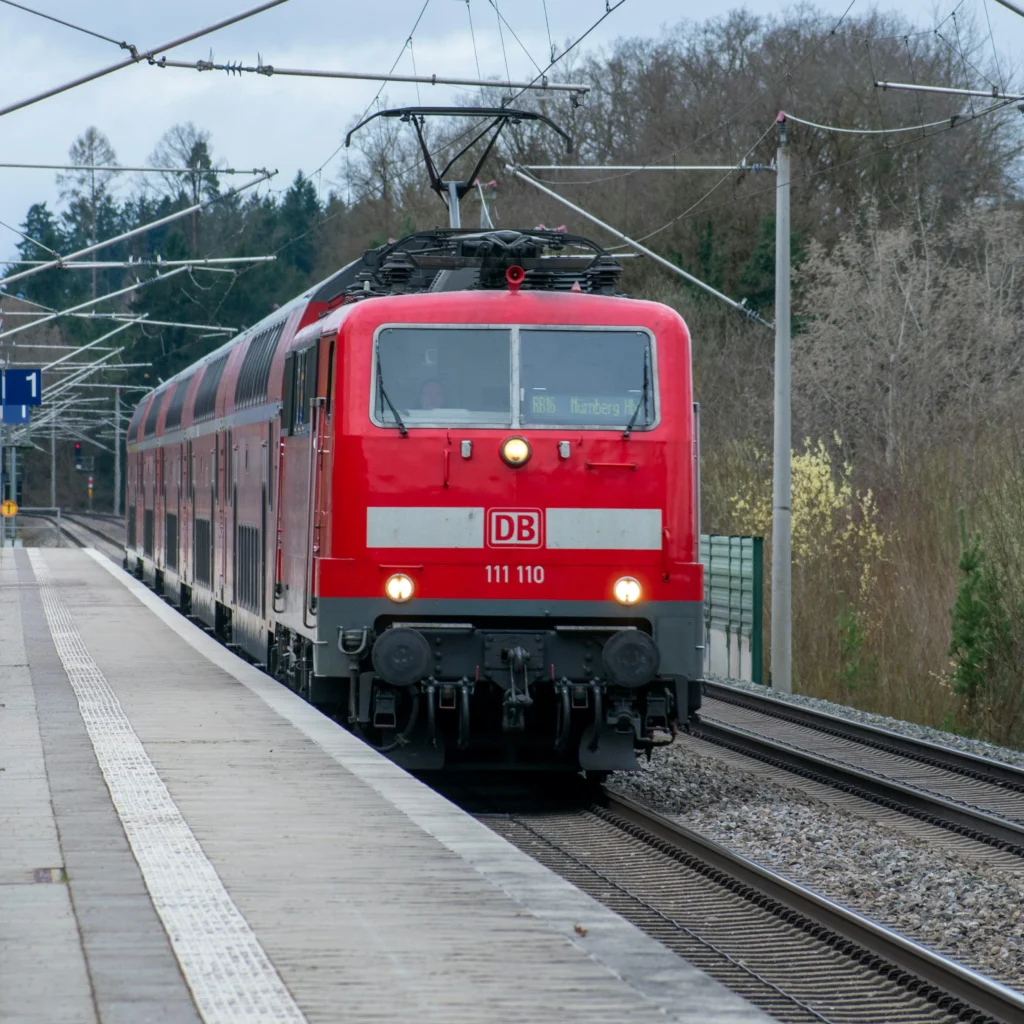
The future of European rail travel is taking a significant digital leap forward as official infrastructure plans for northwest Germany enter a new phase of modernization. German infrastructure manager DB InfraGO has finalized a strategic contract to implement the European Train Control System (ETCS) along a vital 64-kilometer stretch connecting Ratingen West and Leverkusen Morsbroich. This development marks a foundational step in the broader mission to create a seamless, high-tech railway network that links Germany’s industrial heartlands with the rest of the continent, ultimately promising a more reliable and efficient experience for the millions of travelers who utilize the Rhine-Alpine Corridor each year.
Strengthening the Rhine-Alpine Corridor
The Rhine-Alpine Corridor is one of the most significant transit arteries in Europe, serving as a backbone for both commerce and tourism. It forms a major portion of the European Union’s North Sea-Rhine-Mediterranean Trans-European Transport Network (TEN-T), extending from the northwestern reaches of Oberhausen-Sterkrade down to the Swiss border near Basle. By equipping the Ratingen-Leverkusen section with ETCS Level 2 technology, authorities are ensuring that this corridor can handle higher capacities and provide better punctuality—two critical factors for the growth of sustainable international tourism.
This specific project will integrate digital signaling alongside the existing PZB system, allowing for a sophisticated transition to modern standards. The entire section will be managed through the digital control center located in Wuppertal, representing a shift toward a centralized, data-driven approach to railway management. For the regional traveler, this means a network that is less prone to manual delays and better equipped to handle the complexities of a high-traffic European transit zone.
Phased Infrastructure Milestones
The technological rollout is structured through specific infrastructure milestones designed to ensure long-term stability. A key component of the project is the construction of two dedicated ETCS radio block centers (RBC). The first, the Düsseldorf-Rath RBC, is slated to cover a 43-kilometer span from Ratingen West to Immigrath and is scheduled to be fully operational by the conclusion of 2029.
Following the completion of the first phase, attention will shift to the Solingen RBC. This facility will enable the digitalization of the remaining 21-kilometer section between Opladen and Leverkusen Morsbroich. By breaking the project into these targeted geographical zones, DB InfraGO aims to maintain corridor availability while systematically replacing legacy systems with future-proof digital architecture. This phased approach ensures that the vital links between Germany’s historic cities remain active even as they undergo a total technological rebirth.
A Multi-Billion Euro Commitment to Innovation
This initiative is part of a massive framework agreement valued at approximately €6.3 billion, aimed at the total digital overhaul of the German rail network. Official ministry statements emphasize that the shift to digital signaling is not merely about hardware; it is about creating a unified European rail environment. By adopting ETCS, Germany is aligning its infrastructure with international standards, which allows for smoother cross-border travel. This is particularly relevant for the tourism sector, as it reduces the technical barriers that often complicate international train journeys, making “rail-and-stay” vacations more attractive to global visitors.
The selection of world-leading engineering firms for these framework contracts underscores the scale of the ambition. The project is designed to foster a competitive yet collaborative environment where the best in digital train control and signaling systems are deployed to modernize a network that has long been the pride of European engineering.
Impact on Sustainable Tourism and Regional Connectivity
As the world shifts toward greener travel alternatives, the modernization of the rail network is a cornerstone of Germany’s environmental and tourism goals. A modernized Rhine-Alpine Corridor encourages travelers to choose the train over short-haul flights or private vehicles, directly supporting the government’s sustainability mandates. The increased efficiency provided by ETCS Level 2 allows more trains to run on the same tracks with greater safety, effectively increasing the “green capacity” of the region.
For visitors exploring the scenic beauty of northwest Germany, from the industrial heritage sites of the Ruhr area to the lush valleys of the Rhine, these upgrades mean shorter travel times and more intuitive connections. The digital control systems facilitate better real-time communication, ensuring that passenger information is accurate and that the entire travel ecosystem remains responsive to the needs of the modern explorer.
A Vision for the End of the Decade
By the time the full scope of these works is completed in the late 2020s, the transit landscape of northwest Germany will have been fundamentally altered. The move toward a digital control center in Wuppertal and the implementation of radio-based signaling represent the pinnacle of current railway technology.
This project stands as a testament to the power of public investment in infrastructure. It ensures that the Rhine-Alpine Corridor remains a world-class gateway for those seeking to experience the cultural and economic richness of the European Union. As the tracks between Ratingen and Leverkusen become smarter, they pave the way for a new era of European rail travel—one defined by precision, safety, and a commitment to a connected, sustainable future.
For more travel news like this, keep reading Global Travel Wire