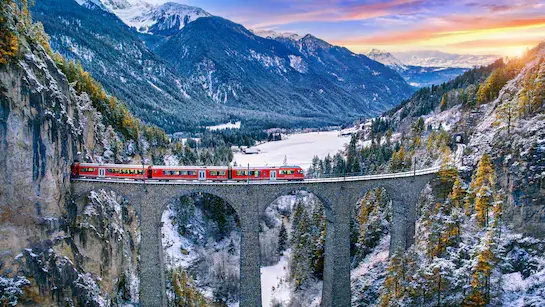
Germany’s railway system has become one of the most advanced and efficient transportation networks in the world. With modern infrastructure, high-speed trains, and strong sustainability initiatives, the country continues to shape the future of rail travel in Europe. Operated largely by Deutsche Bahn, the national rail operator, the network connects major cities, smaller towns, and international destinations through a well-coordinated and reliable system.
As travelers increasingly look for fast, environmentally friendly transportation options, Germany’s railways offer a compelling alternative to air and road travel. With comfortable trains, digital ticketing systems, and seamless connections across borders, the country has established itself as a leader in modern rail mobility.
For tourists exploring Europe, Germany’s railway network provides a convenient gateway to discover both urban destinations and scenic countryside landscapes.
High-Speed ICE Trains Lead the Rail Transformation
At the heart of Germany’s railway success is the InterCity Express, widely known as the ICE. These high-speed trains represent the flagship of the country’s rail network and are among the fastest trains operating in Europe.
ICE trains can reach speeds of up to 300 kilometers per hour, significantly reducing travel times between major cities. Routes connecting destinations such as Berlin, Munich, Frankfurt, Hamburg, and Cologne allow passengers to travel long distances in just a few hours.
For example, the journey between Berlin and Munich can be completed in under four hours by high-speed rail, making it a highly competitive option compared with domestic flights or long car journeys.
Beyond speed, the trains are designed with passenger comfort in mind. Spacious seating, generous legroom, quiet compartments, and panoramic windows provide a relaxed travel experience.
Passengers also benefit from onboard Wi-Fi, charging points, and dining services that offer both snacks and full meals during the journey.
Sustainable Travel at the Core of Germany’s Rail Strategy
Environmental sustainability is one of the key reasons many travelers are choosing trains instead of airplanes or private vehicles.
Germany’s rail system is recognized as one of the most environmentally responsible forms of transportation in Europe. Trains produce significantly lower carbon emissions per passenger compared with air travel or road transportation.
Deutsche Bahn has made major investments in renewable energy and sustainable operations. A large portion of the electricity used by the railway network already comes from renewable sources such as wind, solar, and hydroelectric power.
The company has also committed to further reducing its environmental footprint by improving energy efficiency and increasing the use of green electricity across its operations.
Rail stations across the country are increasingly adopting sustainable practices, including energy-efficient lighting, solar panels, and environmentally friendly building designs.
These efforts align with Germany’s broader national climate goals and reflect the growing importance of sustainable tourism.
Extensive Rail Network Connects Cities and Regions
Germany’s rail network is known for its exceptional coverage and accessibility. Major metropolitan centers are connected by high-speed ICE services, while regional trains ensure smaller towns and rural areas remain easily accessible.
Regional Express and Regional Bahn trains serve local routes that connect communities across the country. Suburban S-Bahn systems provide efficient transportation within metropolitan areas, helping commuters and tourists move around cities quickly.
The integration of these services allows passengers to travel seamlessly between long-distance, regional, and local trains with minimal transfer times.
Travelers arriving at major stations such as Berlin, Frankfurt, or Munich can easily connect to smaller towns, cultural sites, and scenic regions across Germany.
This interconnected system makes train travel one of the most convenient ways to explore the country.
International Rail Connections Strengthen European Mobility
Germany’s central location in Europe makes its rail network an important link for international travel. High-speed and long-distance trains connect the country with neighboring nations, allowing passengers to travel across borders without the need for flights.
Direct rail routes connect German cities with destinations in France, Belgium, Switzerland, Austria, and the Netherlands.
Passengers can travel from Frankfurt to Paris, from Munich to Vienna, or from Cologne to Brussels through high-speed international rail services.
These cross-border connections support tourism across the continent while encouraging travelers to choose rail for international journeys.
As European countries continue expanding high-speed rail networks, Germany’s rail infrastructure plays a key role in linking them together.
Digital Technology Improves the Travel Experience
Germany’s railway system has embraced digital innovation to make travel planning easier and more efficient for passengers.
Mobile applications and online booking platforms allow travelers to purchase tickets, reserve seats, and track train schedules in real time. Digital tickets eliminate the need for printed documents, making journeys more convenient and environmentally friendly.
Real-time updates on train arrivals, delays, and platform changes are also available through mobile apps and station displays.
Passengers can quickly adjust travel plans if schedules change, ensuring flexibility throughout their journey.
These digital tools have made rail travel in Germany increasingly user-friendly for both domestic commuters and international tourists.
Cultural Experiences Along the Rail Journey
Traveling by train in Germany offers more than simply reaching a destination. The journey itself becomes part of the travel experience.
Passengers often enjoy scenic views of Germany’s diverse landscapes, including river valleys, forests, vineyards, and historic towns.
Routes passing through regions such as the Rhine Valley or the Bavarian countryside provide breathtaking views that make train travel particularly memorable.
Major train stations also reflect Germany’s cultural and architectural diversity. Berlin Hauptbahnhof, for example, is one of Europe’s largest and most modern railway stations, featuring multiple levels of platforms, shops, restaurants, and panoramic glass architecture.
Stations across the country serve as hubs for cultural exchange, combining transportation with shopping, dining, and urban life.
Accessibility and Passenger Comfort Remain Key Priorities
Germany’s rail system places strong emphasis on accessibility and passenger service.
Many stations offer elevators, ramps, and step-free access to platforms, ensuring that travelers with mobility challenges can navigate the system comfortably.
Train staff are trained to assist passengers when needed, helping ensure a smooth and reliable journey.
Comfortable seating, quiet zones, and family compartments also make the trains suitable for a wide range of travelers, from business professionals to families and tourists.
Punctuality remains an important priority, with efforts continuously underway to improve reliability across the network.
A Model for Modern Rail Travel
Germany’s railway system demonstrates how modern transportation can combine speed, sustainability, and passenger comfort.
With high-speed ICE trains, extensive national coverage, digital innovations, and international connections, the network provides an efficient way to travel across both Germany and Europe.
As more travelers prioritize environmentally responsible travel options, rail transportation continues to grow in importance.
Germany’s investment in rail infrastructure ensures that trains will remain a central part of European mobility for decades to come.
For travelers exploring the continent, Germany’s rail network offers not only a practical way to move between destinations but also a memorable travel experience in itself.
For more travel news like this, keep reading Global Travel Wire