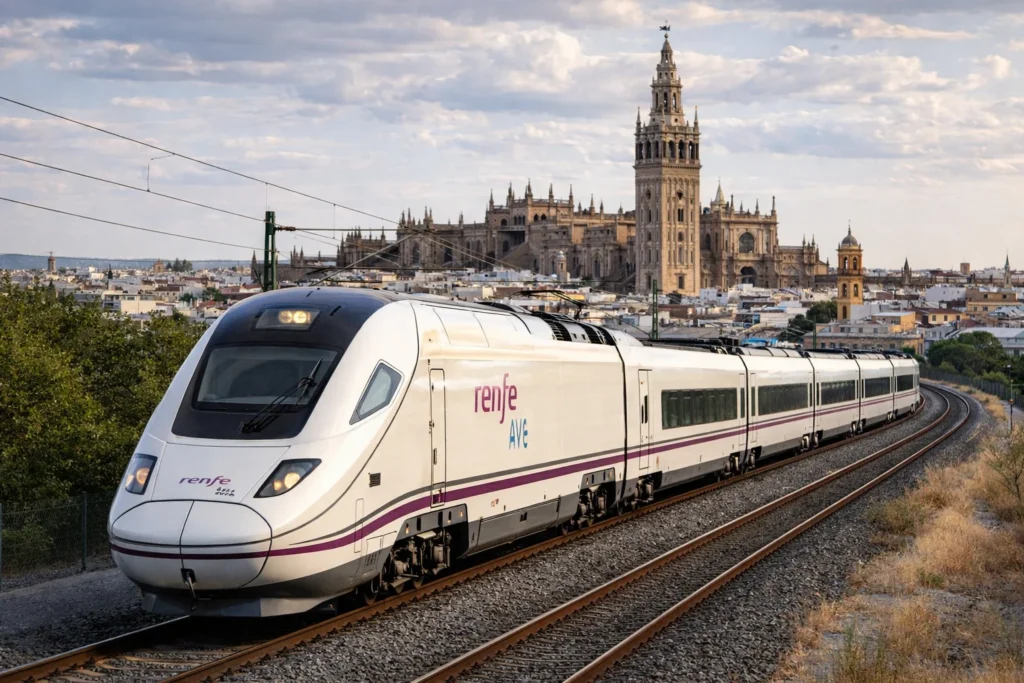
Spain’s world-renowned high-speed rail network is facing renewed attention after a serious accident on one of its flagship routes raised questions about operational resilience and passenger confidence. While investigations and safety reviews move forward, the broader tourism outlook remains closely tied to the strength of Spain’s rail system, which continues to be one of Europe’s most important transport assets.
For years, Spain high-speed rail has been praised for speed, comfort, and extensive connectivity between major cities and tourism regions. Millions of domestic and international travellers rely on fast trains to move between Madrid, Barcelona, Seville, Málaga, Valencia, Córdoba, and other leading destinations.
The latest scrutiny now places greater emphasis on safety assurance, infrastructure reliability, and transparent communication as Spain works to maintain trust in one of its most successful tourism transport networks.
Why Spain’s High-Speed Rail Matters for Tourism
Spain has one of the largest high-speed rail networks in the world, and it plays a vital role in the visitor economy. Fast rail links allow tourists to explore multiple cities in a single trip, reduce travel time between regions, and enjoy convenient city-centre arrivals.
This makes rail especially attractive for travellers seeking flexible holidays without relying on domestic flights or long road journeys.
Tourism advantages of Spain’s high-speed network include:
- Quick travel between major cities
- Easy access to cultural and heritage destinations
- Comfortable onboard experience
- Reduced airport transfer time
- Lower-emission travel choices
- Strong options for multi-city itineraries
Because tourism depends heavily on convenience and confidence, maintaining a reliable rail system is essential for Spain’s wider travel industry.
Safety Now Takes Centre Stage
Whenever a major rail incident occurs, public focus naturally turns to safety standards, infrastructure maintenance, driver systems, and operational procedures. For Spain, the challenge is not only addressing the immediate event but also reassuring travellers that the wider network remains secure and dependable.
Strong rail systems are built on trust. Passengers need confidence that trains are safe, punctual, and professionally managed. For international visitors unfamiliar with local systems, reassurance can be even more important when deciding how to travel between destinations.
Safety reviews and operational assessments can help strengthen that confidence by identifying improvements and ensuring lessons are applied across the network.
A Key Link Between Spain’s Top Destinations
Spain’s high-speed routes connect many of the country’s most visited tourism centres. The line between Madrid and Andalusia is especially significant because it supports leisure travel to iconic southern cities known for history, beaches, cuisine, and cultural experiences.
Popular tourism journeys include:
- Madrid to Seville for heritage and city breaks
- Madrid to Málaga for Costa del Sol holidays
- Madrid to Córdoba for historic tourism
- Barcelona to Madrid for business and leisure travel
- Valencia links for beach and urban tourism
Fast and reliable rail on these routes supports hotels, attractions, restaurants, tour operators, and local economies across the country.
International Image and Visitor Confidence
Spain is one of the world’s leading tourism destinations, welcoming millions of international visitors each year. Because many overseas travellers use rail after arriving, the country’s transport reputation can influence travel decisions.
A strong response focused on safety, transparency, and service quality can help preserve Spain’s global image as an easy and efficient place to explore.
Tourism boards and travel planners often highlight high-speed rail as a major advantage for Spain because visitors can experience multiple regions in one holiday. Protecting that reputation is therefore important not only for transport authorities but for the entire tourism ecosystem.
Opportunity for Modernisation and Improvement
Periods of scrutiny can also create opportunities. Major transport systems often emerge stronger after reviews that lead to investment, technology upgrades, and better passenger communication.
Potential areas of improvement may include:
- Enhanced monitoring systems
- Faster incident response procedures
- Updated signalling technology
- Improved real-time passenger information
- Additional staff training
- Preventive infrastructure maintenance
These measures can strengthen resilience while improving the everyday travel experience for passengers.
Sustainable Travel Still Supports Rail Demand
Despite current attention on safety, rail remains one of the most sustainable and efficient ways to travel around Spain. Many tourists continue choosing trains because they combine speed with lower environmental impact and excellent city-centre access.
As travellers increasingly seek greener holidays, demand for rail-based itineraries is expected to remain strong. High-speed trains are particularly well suited to journeys where they can compete with short-haul flights in convenience and total travel time.
This means the long-term case for Spain high-speed rail remains powerful even during periods of closer scrutiny.
Advice for Travellers Planning Spain Rail Trips
Visitors planning train travel in Spain should remain confident while staying informed through official travel updates and operator guidance.
Helpful travel tips include:
- Book popular routes early during holiday seasons
- Arrive at stations with extra time
- Monitor departure platforms and live updates
- Keep tickets accessible on mobile devices
- Consider flexible fares for busy periods
- Allow connection time on multi-city itineraries
Spain’s rail system continues to offer one of the easiest ways to explore the country’s diverse regions.
Positive Long-Term Outlook for Spain Tourism
Spain’s tourism appeal extends far beyond any single transport event. The country offers world-famous beaches, historic cities, food culture, festivals, architecture, islands, and year-round sunshine that continue attracting visitors from around the globe.
A strong and transparent focus on rail safety can reinforce rather than weaken confidence over time. Many successful transport networks have strengthened standards after scrutiny and returned with greater trust from passengers.
For tourists, Spain high-speed rail remains a valuable gateway to unforgettable journeys across the country. With continued investment, clear communication, and a commitment to excellence, Spain is well positioned to maintain its place as one of Europe’s leading rail and tourism destinations.
For more travel news like this, keep reading Global Travel Wire