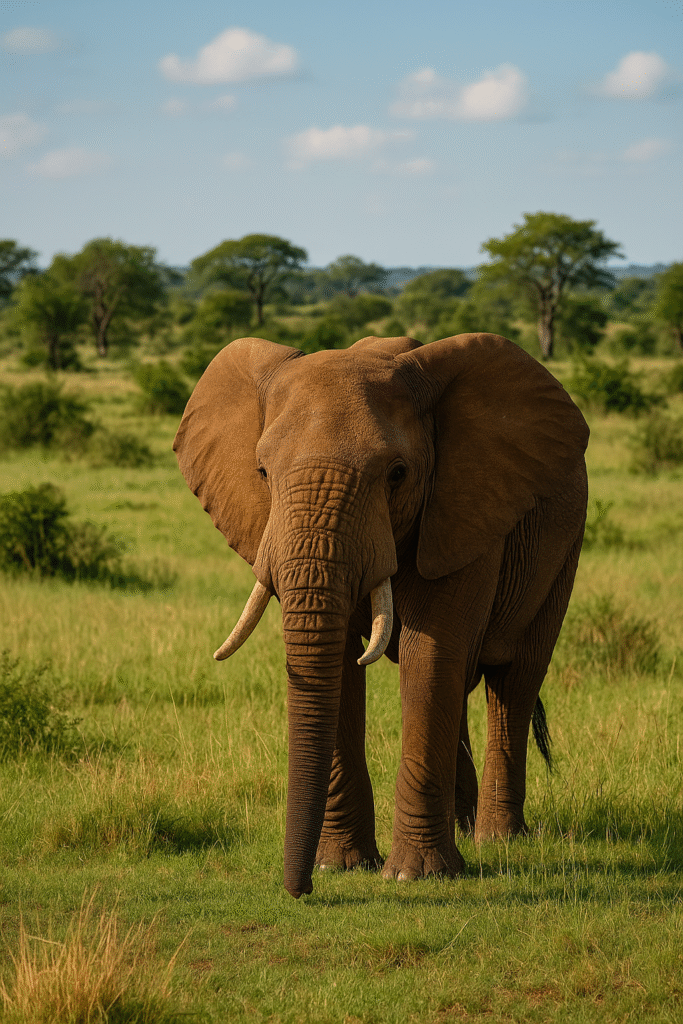
Yesterday marked World Elephant Day, and I found myself thinking about the incredible journeys elephants take across continents — and the journeys we take to see them. For me, elephants are more than a part of the landscape; they’re living testaments to strength, memory, and gentleness.
This special day isn’t just about admiring their beauty — it’s also about understanding the role tourism plays in their survival. When done responsibly, elephant tourism can help protect these giants and the ecosystems they depend on. But like most things in life, there’s a fine line between helping and harming.
Top 5 Destinations to See Elephants in the Wild
1. Chobe National Park, Botswana
Chobe is home to one of the world’s largest concentrations of elephants. It’s not unusual to see herds in the hundreds along the riverbanks. A boat trip here offers unforgettable views and a unique perspective on their daily life.
2. Amboseli National Park, Kenya
This is the place for iconic photographs — elephants strolling against the majestic backdrop of Mount Kilimanjaro. Amboseli’s open plains make for some of the easiest and most rewarding elephant sightings in Africa.
3. Udawalawe National Park, Sri Lanka
A sanctuary for Asian elephants, Udawalawe boasts a thriving wild population. The park’s reservoir attracts elephants year-round, making sightings almost guaranteed.
4. Kanha National Park, India
Known for its lush forests and tiger sightings, Kanha also offers opportunities to see wild elephants in their natural habitat. It’s a reminder of the diverse wildlife India protects.
5. Addo Elephant National Park, South Africa
Malaria-free and teeming with wildlife, Addo provides intimate encounters with elephants alongside zebras, lions, and antelope. The varied landscapes here make each game drive different from the last.
The Ups and Downs of Elephant Tourism
The Positives
When tourism supports conservation, it funds the protection of habitats, creates employment for local communities, and encourages global awareness of elephant welfare. Visiting these parks ethically helps ensure elephants can live freely.
The Negatives
Sadly, not all elephant encounters are ethical. In some places, elephants are kept in captivity for rides, shows, or unnatural interactions. Even in the wild, too much human presence can stress animals or disrupt their movements. Our responsibility is to research and choose operators that prioritise the elephants’ well-being over profit.
My Personal Experience in South Africa
A few years ago, I had the chance to visit Addo Elephant National Park. We set out early one morning, the cool air carrying the scent of the bush. Not long into our drive, we came across a small family of elephants near a waterhole — a watchful matriarch, two playful calves, and a younger male.
The calves splashed each other with their trunks, tumbling around like oversized toddlers, while their mother stood nearby, quietly keeping guard. We turned off the engine, letting the moment wash over us. The only sounds were the trickle of water and the occasional low rumble from the elephants.
Later that afternoon, a massive bull appeared from the thicket and crossed right in front of us. Seeing him up close was humbling — the deep wrinkles in his skin, the slow, deliberate steps, and the sheer presence that made everything else fade away. In that moment, I felt a quiet gratitude for being able to witness such raw, untamed beauty.
Final Thoughts
World Elephant Day is more than a date on the calendar; it’s a call to action. Every safari we take, every park we visit, and every photo we share shapes the way elephants are valued and protected.
If you’re planning a trip, choose destinations that champion conservation and operators who respect the animals. Whether it’s Botswana’s Chobe, Kenya’s Amboseli, or South Africa’s Addo, the experience of seeing elephants in the wild will stay with you long after you’ve returned home — and hopefully inspire you to help protect them for generations to come.
Read more of my stories- follow my blogs.