A planned Kempinski hotel development in Douala could strengthen Cameroon’s luxury accommodation and business events offering. The project targets a 2029 opening, with an estimated investment of 220 billion CFA francs.
Planned facilities include 214 rooms and suites, 35 serviced apartments and a 2,000-seat conference hall. The development will occupy nearly two hectares in Bonanjo, Douala’s business and administrative district.
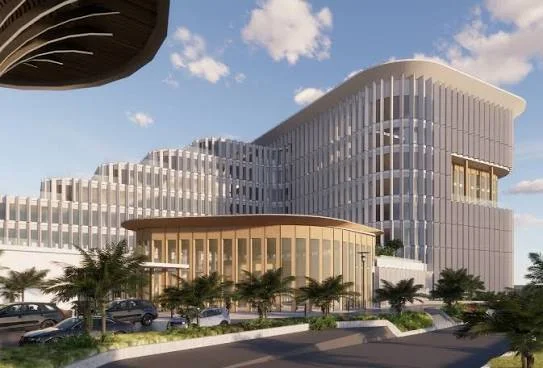
The proposal combines hospitality, offices, dining and leisure facilities within a 27-storey tower. It also includes an international luxury hospitality school intended to develop local professional skills.
For Cameroon’s tourism industry, the project presents an opportunity to accommodate international visitors while expanding facilities for conferences and corporate gatherings.
Bonanjo Location Connects Hospitality With Business
The proposed location places the development within a district serving business and administrative activity.
That positioning could appeal to executives, visiting delegations and conference participants seeking accommodation close to their professional commitments. Serviced apartments would also provide options for guests requiring longer stays.
The complex includes approximately 17,000 square metres of Grade A office space. Combining offices and accommodation could support demand from corporate visitors using the development.
Meanwhile, leisure guests would gain access to hotel facilities within an urban setting. The mixed-use approach gives the project several potential markets beyond conventional overnight stays.
Its eventual contribution will depend on delivery, operating standards and demand when the property opens.
Conference Facilities Expand Event Opportunities
The planned 2,000-seat conference hall forms a significant part of the development’s business tourism proposition.
Such a facility could support conferences, corporate meetings and other large gatherings. Accommodation within the same complex may simplify arrangements for organisers and participants.
Business events can create demand across hotels, catering, local transport and supporting services. For Douala businesses, attracting these gatherings could offer opportunities beyond the conference venue itself.
The combination of event space, restaurants and guest rooms may also help organisers coordinate programmes within one location.
However, a new venue alone does not secure international events. Commercial success will require effective marketing, accessible travel arrangements and reliable event operations.
Rooms And Apartments Serve Different Travellers
The accommodation programme combines 214 hotel rooms and suites with 35 serviced apartments.
This mix allows the development to address both shorter visits and extended stays. Business travellers, visiting families and international guests could require different accommodation formats.
For leisure visitors, the hotel may provide a base for incorporating Douala into wider Cameroon itineraries. Longer-stay guests could use the apartments while managing professional or personal commitments.
The project’s tourism relevance therefore extends beyond luxury positioning. Accommodation variety can help a property respond to several travel purposes.
Nevertheless, room rates, booking arrangements and detailed guest packages remain important information for travellers as the opening approaches.
Dining And Wellness Broaden The Offering
Plans include five restaurants, five bars, two swimming pools and a wellness spa.
These facilities would support guests seeking dining and relaxation alongside business meetings or sightseeing. They also create potential opportunities to attract customers from outside the hotel.
Restaurants could introduce visitors to local culinary traditions while serving a broader range of preferences. The eventual menus and concepts will determine how strongly the property reflects its destination.
Meanwhile, pools and spa facilities would give guests options for downtime during their stay. This could help travellers combine professional commitments with leisure experiences.
Together, the amenities position the development as a hospitality complex with several reasons to visit.
Employment And Training Support Local Participation
Project projections indicate approximately 7,000 direct and indirect jobs across construction and subsequent operations.
These figures represent anticipated employment rather than positions already created. The scale and timing of recruitment will depend on implementation.
The proposed international luxury hospitality school could provide another route for local participation. Training may help residents develop skills relevant to accommodation, food service and guest management.
For Cameroon’s hospitality sector, professional development could create benefits extending beyond one property. Workers may apply their experience across other hotels and tourism businesses.
Local suppliers and service providers could also find opportunities as construction and hotel operations generate purchasing requirements.
Delivery Will Shape The Tourism Impact
The targeted 2029 opening gives tourism businesses time to assess how the development might complement existing services.
Hotels, tour operators and event specialists could explore partnerships as plans become more detailed. However, investment projections should remain distinct from completed facilities and confirmed bookings.
The project’s strongest potential lies in combining accommodation, conference capacity and workforce training within one development.
Successful delivery could broaden Douala’s appeal to business and leisure visitors while creating opportunities for surrounding businesses. Its lasting value will depend on service quality, local participation and sustained demand after opening.
For more travel news like this, keep reading Global Travel Wire