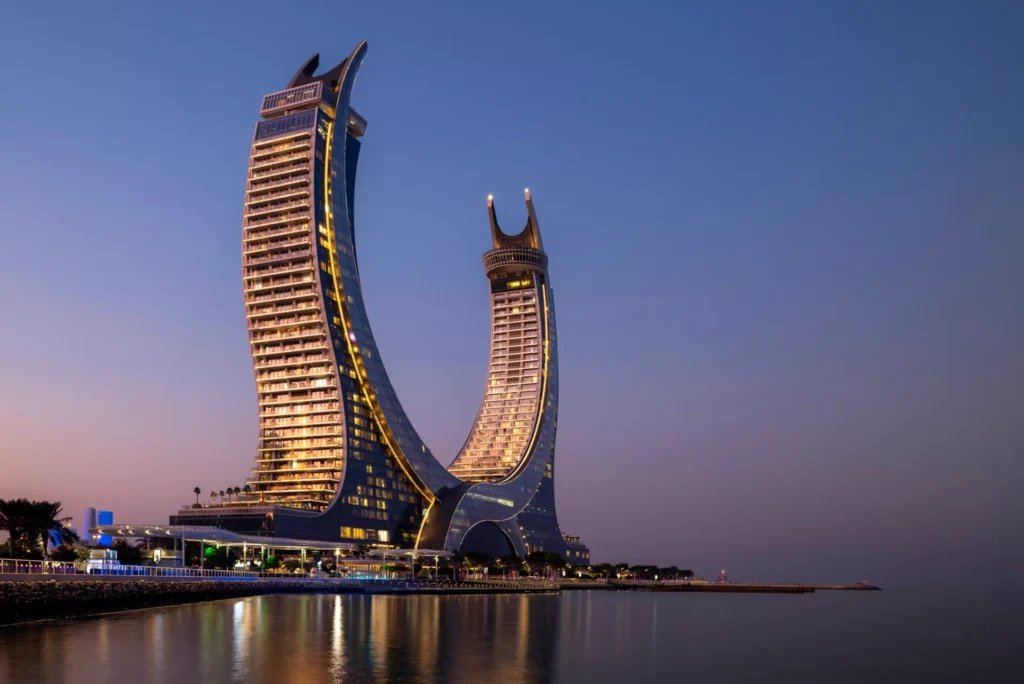
Doha is strengthening its position as one of the Gulf’s most important tourism and hospitality hubs as Qatar continues expanding hotel capacity, restoring international connectivity and building a broader visitor economy around luxury travel, culture, business events and major international attractions.
The Qatari capital entered 2026 with a large accommodation network developed through years of investment in tourism infrastructure. The city’s ability to maintain a substantial hotel inventory gives it the capacity to serve leisure travellers, international business visitors, conference delegates and passengers connecting through Hamad International Airport.
The supplied material places Doha’s expanding hotel network at the heart of Qatar’s wider tourism recovery strategy, supported by government coordination, aviation connectivity and destination investment.
Rather than depending on one visitor segment, Doha has increasingly positioned itself across luxury holidays, sporting events, cultural tourism and the meetings, incentives, conferences and exhibitions market.
Qatar builds on a large hotel network
Qatar’s accommodation sector expanded rapidly around the FIFA World Cup Qatar 2022 and continued developing afterward as the country sought to convert major-event infrastructure into a longer-term tourism economy.
The supplied figures indicate approximately 42,500 hotel room keys across the market, giving Doha and the wider country substantial capacity to accommodate international demand.
Premium and luxury hotels represent an important part of that inventory. International brands have established properties across Doha, while resort, serviced-apartment and lifestyle concepts have widened the options available to visitors.
A broad accommodation base matters because Qatar is seeking to attract several forms of travel simultaneously. Luxury leisure guests may combine beach resorts with cultural attractions, while corporate travellers require central hotels and convenient access to business districts and convention facilities.
Aviation remains central to visitor growth
Doha’s tourism performance is closely connected with aviation.
Hamad International Airport has established the city as a major international gateway, while Qatar Airways links Doha with destinations across Europe, Asia, Africa, the Americas and the Middle East.
Strong air connectivity gives Qatar an advantage when converting transfer passengers into destination visitors. Stopover travel can encourage passengers to spend one or more nights in Doha rather than simply connecting through the airport.
That creates direct opportunities for hotels, restaurants, shopping districts, cultural attractions and local transport operators.
For Qatar’s tourism planners, maintaining strong aviation capacity therefore supports much more than passenger numbers. It helps distribute international spending throughout the hospitality economy.
Government support reinforces hospitality resilience
Tourism development in Qatar is closely linked with coordinated government planning.
The country has invested in destination marketing, major events, transport infrastructure and visitor services while maintaining relatively accessible entry arrangements for travellers from many international markets.
During periods of aviation disruption, the ability of tourism authorities, airlines, airports and accommodation providers to coordinate becomes especially important.
Such integration can protect the traveller experience while helping hotels continue operating through sudden changes in demand.
For international visitors, confidence often depends on more than the quality of an individual hotel. Airport efficiency, transportation, border procedures and destination management all contribute to the perception of a seamless holiday.
Business events support year-round hotel demand
Doha’s meetings and events industry provides another important pillar for its hotel sector.
The Doha Exhibition and Convention Center and other major venues allow the capital to host trade exhibitions, conferences, corporate meetings and international gatherings.
Hospitality Qatar is scheduled to return from October 12 to 14, 2026, providing another opportunity for hotel operators, investors, suppliers and tourism stakeholders to meet in the capital.
Business events can generate concentrated demand across accommodation, aviation, restaurants, ground transportation and event services.
They also help destinations reduce dependence on traditional holiday seasons because corporate and exhibition travel can take place throughout the year.
Culture and major events widen Doha’s appeal
Doha’s tourism proposition now reaches far beyond luxury accommodation.
Msheireb Downtown Doha combines heritage-inspired urban design with retail, restaurants and cultural attractions, while Katara Cultural Village strengthens the city’s arts and entertainment offering.
Museums, waterfront districts and major sporting events give international travellers additional reasons to extend their stays.
This wider destination ecosystem is especially important when hotel supply expands. Additional rooms require sustained visitor demand, and demand becomes stronger when travellers can build multi-day itineraries involving culture, gastronomy, shopping, sport and relaxation.
Luxury hospitality supports economic diversification
Tourism remains an important part of Qatar’s broader economic diversification ambitions.
Every international visitor can generate spending beyond the hotel room through restaurants, retail, attractions, taxis, tours and entertainment.
An expanding hospitality sector also supports employment and demand across food supply, logistics, technology, property services and events.
For international hotel brands, Doha’s continuing investment in infrastructure and tourism creates opportunities to introduce new luxury, lifestyle and extended-stay concepts.
Doha looks toward continued tourism growth
The next stage of Doha’s tourism development will depend on maintaining the balance between hotel expansion and sustainable visitor demand.
Strong international aviation, major events, cultural attractions and premium hospitality give the city a diversified platform from which to compete for travellers.
As Qatar continues developing its visitor economy toward 2030, Doha’s extensive hotel network is becoming one of the most visible components of that strategy.
For travellers, the result is a destination offering an increasingly broad range of accommodation and experiences. For the hospitality industry, Doha illustrates how aviation, hotels, culture and events can operate together to strengthen a destination’s long-term tourism appeal.
For more travel news like this, keep reading Global Travel Wire