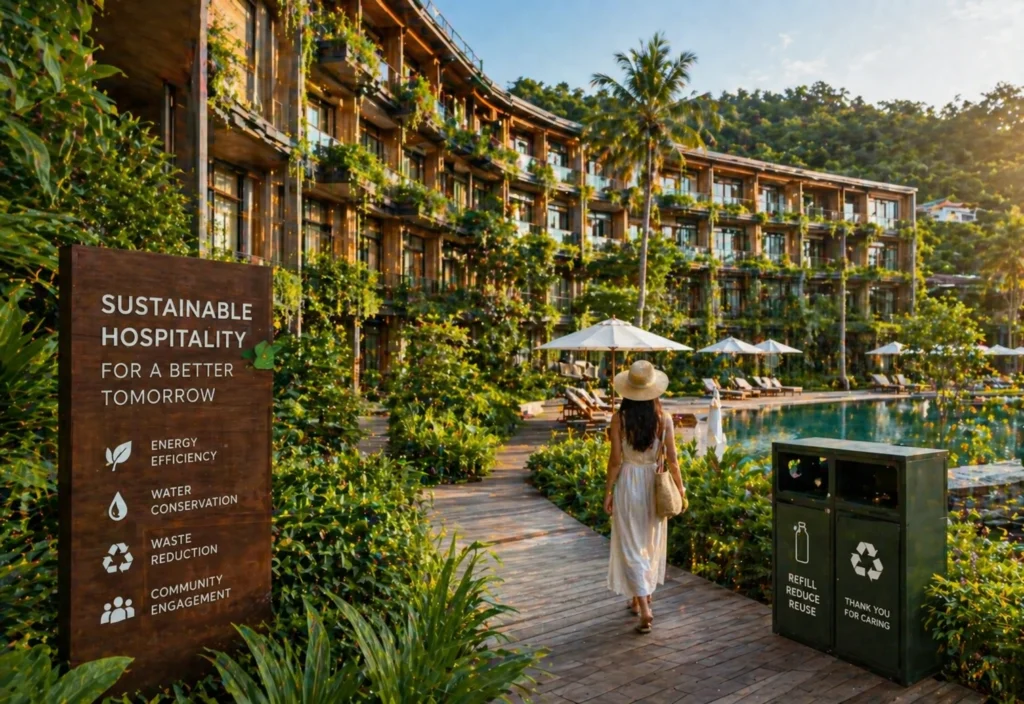
The global hospitality industry is entering a new phase of responsible tourism as hotels move beyond one-day Earth Day campaigns and adopt year-round sustainability strategies with measurable results. Across major destinations, hotel brands are increasingly integrating energy efficiency, waste reduction, community support, and guest participation into daily operations, signaling a wider transformation in how tourism businesses define long-term success.
For years, Earth Day often inspired symbolic green promotions such as tree planting events, temporary towel reuse reminders, or limited-time environmental messaging. While these activities helped raise awareness, travelers and industry leaders now expect stronger action backed by visible outcomes. In response, many hotels are redesigning operations to make sustainability a permanent business priority rather than an annual marketing theme.
This shift comes at a time when global travelers are paying closer attention to how and where they stay. Sustainability has become an important decision factor for holidaymakers, corporate travelers, wellness guests, and younger consumers who increasingly seek accommodation aligned with environmental and social values.
Hotels that once focused mainly on comfort and location are now competing on resource efficiency, responsible sourcing, carbon reduction, and authentic community impact. In practical terms, this means greener buildings, lower energy use, less plastic waste, smarter water systems, and experiences that help visitors connect positively with local destinations.
Recent examples from the hospitality sector illustrate this trend. Resorts in beach destinations, urban budget hotels, and regional chains alike are introducing initiatives that go beyond seasonal campaigns. Some properties are using educational guest programs to inspire behavioral change, while others are setting clear performance targets for electricity consumption, recycling rates, and sustainable procurement.
In leading resort markets, immersive sustainability experiences are becoming part of the holiday itself. Guests may now join marine conservation activities, community workshops, farm-to-table dining experiences, nature restoration programs, or local cultural projects. These experiences add depth to travel while supporting destinations in meaningful ways.
Urban hotels are also playing a major role. In city properties where energy use is high, operators are introducing smart lighting systems, occupancy sensors, efficient cooling technology, and digital processes that reduce paper consumption. Even small operational changes across thousands of rooms can generate significant environmental benefits over time.
Waste reduction remains one of the most visible priorities. Single-use plastics are steadily being replaced by refillable amenities, filtered water stations, reusable containers, and biodegradable alternatives. Food waste programs are also expanding through improved forecasting, portion management, composting, and donation partnerships where regulations allow.
Water stewardship is equally important, especially in destinations affected by seasonal shortages or climate pressure. Hotels are investing in low-flow fixtures, greywater recycling systems, drought-tolerant landscaping, linen reuse programs, and guest education to reduce unnecessary consumption without compromising comfort.
The business case for sustainable hotels is growing stronger each year. Lower energy and water use can reduce operating costs, while efficient waste systems can improve margins. Sustainability certifications and transparent reporting may also strengthen brand reputation, attract environmentally conscious travelers, and support partnerships with corporate clients seeking responsible travel suppliers.
Tourism boards in many countries are encouraging this transition through destination standards, green certification schemes, training programs, and public-private cooperation. Sustainable accommodation is increasingly seen as essential to preserving natural assets, reducing pressure on infrastructure, and ensuring tourism benefits local communities over the long term.
For destinations heavily dependent on tourism, the move toward year-round sustainability is especially significant. Beaches, islands, mountain regions, heritage cities, and wildlife areas all rely on environmental quality to remain attractive. If tourism growth is not managed carefully, overcrowding, waste, and resource strain can damage the very experiences visitors come to enjoy.
Hotels are uniquely positioned to help solve these challenges because they sit at the center of the visitor journey. They influence energy use, food supply chains, transportation choices, employment opportunities, and guest behavior every day. When hotels adopt sustainable practices at scale, the impact extends far beyond individual properties.
Guests are also becoming active participants in the change. Many travelers now welcome options such as opting out of daily linen replacement, using refill stations, choosing low-impact excursions, supporting local artisans, or learning about conservation efforts during their stay. The best sustainability programs make responsible choices simple, attractive, and rewarding.
Technology is accelerating progress across the sector. Smart building systems can monitor consumption in real time, detect inefficiencies, and optimize heating or cooling automatically. Digital guest communication reduces printed materials, while data tools help hotels measure emissions and track progress against environmental goals.
Luxury hospitality is embracing the movement as well. Premium travelers increasingly expect eco-conscious experiences without sacrificing service quality. This has encouraged high-end resorts to invest in renewable energy, local sourcing, biodiversity protection, wellness-led design, and architecture that blends with natural surroundings.
Budget and midscale hotels are equally important because of their large volume and broad reach. Efficient room design, simple operational controls, and scalable green standards can produce substantial cumulative benefits across large networks.
The most credible hotels in 2026 are not those making the loudest claims, but those showing consistent progress. Clear targets, regular reporting, transparent communication, and visible operational changes matter more than one-off campaigns.
For travelers planning upcoming trips, choosing sustainable hotels can be a practical way to reduce travel impact while supporting businesses investing in better tourism models. Looking for recognized certifications, refillable amenities, local sourcing, energy-saving measures, and community engagement can help identify genuine efforts.
Earth Day remains an important moment of awareness, but the hospitality industry’s real progress now happens throughout the year. Hotels that embed sustainability into everyday decisions are shaping a stronger future for tourism.
As guest expectations evolve and destinations seek smarter growth, sustainable hotels are no longer a niche concept. They are becoming the new standard for modern travel.