The hospitality sector and economic architecture of Cuba are entering a complex phase of structural adjustment. Driven by shifting international policies, regulatory actions by foreign governments, and domestic infrastructure hurdles, the island’s travel and tourism framework is under close analytical review. At the center of these developments is the ongoing evaluation of state-owned management entities and their extensive portfolios, which directly influence inbound international travel volumes and foreign capital commitments.
Official data and institutional analyses indicate that the tourism ecosystem is navigating a period of economic consolidation. While international vacation hubs across the Caribbean are experiencing post-pandemic growth, the domestic hospitality market faces unique operational dynamics. These challenges require close coordination among international hotel brands, foreign trade secretariats, and state logistics boards.
International Brand Portfolios and Infrastructure Dynamics
The commercial lodging market remains heavily characterized by partnerships between state entities and European hospitality brands. Of the extensive inventory of properties owned by the state’s primary tourism division, over 50% are operationally managed by major Spanish hotel chains. This collaborative layout has long served as a vital mechanism for attracting European and Canadian leisure travelers to the destination’s beaches and historical enclaves.
However, recent seasonal cycles have introduced significant operational pressures across these properties:
Utility and Grid Interruptions: Power fluctuations and localized energy constraints have complicated standard guest service delivery, forcing properties to optimize their independent generation capacities.
Supply Chain Management: Sourcing premium culinary items, beverages, and specialty hospitality goods requires complex logistics arrangements due to trade restrictions and localized distribution limitations.
Aviation Connectivity Adjustments: Fluctuations in direct air routes from key source markets, most notably Canada, have impacted baseline occupancy metrics, prompting some operators to temporarily adjust property availability.
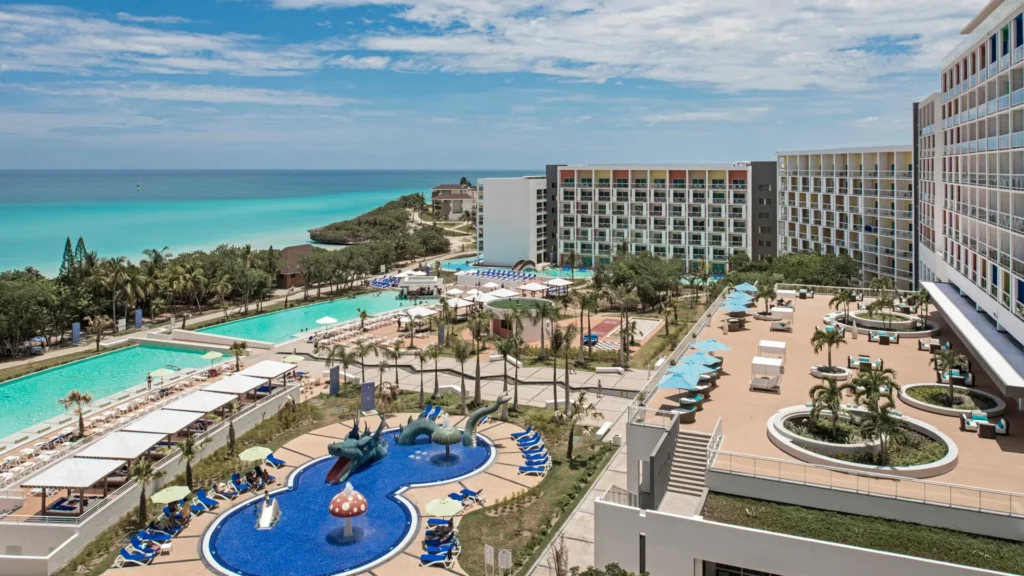
Despite these hurdles, substantial capital investments have continued to shape the infrastructure landscape. The recent completion of a flagship 42-story, 600-room luxury property represents a major capital project, underscoring the state’s long-term commitment to high-density, premium accommodations even amid broader economic adjustments.
Regulatory Actions and International Scenario Monitoring
The regulatory environment surrounding foreign investment has become increasingly complex due to updated policies implemented by external governments. Official reports from European trade ministries confirm that state bodies, including Spain’s Secretariat of State for Trade, are actively monitoring legal frameworks in coordination with economic and commercial offices abroad.
This administrative oversight focuses on maintaining a continuous, direct dialogue with multinational companies operating within the region. By identifying potential structural risks and facilitating multi-scenario response plans, trade authorities aim to protect long-term investments and support corporate compliance amid changing international sanctions and cross-border commercial pressures.
The Historic Evolution of Tourism Management Networks
The structure of the island’s modern tourism economy is rooted in institutional shifts that began during the economic crises of the 1990s. Following the collapse of regional trade blocs, the state introduced targeted economic openings, decriminalized specific currencies, and prioritized international leisure tourism as a primary tool for foreign exchange generation.
Over the subsequent decades, specialized corporate holdings emerged to manage transport networks, service stations, telecommunications links, and wholesale retail architectures. Independent economic studies show that these unified state-managed structures grew to command a substantial share of the national economy.
Because these entities operate within specialized legal frameworks, international analysts frequently track their liquidity metrics, asset reserves, and structural governance to forecast the destination’s overall capacity to absorb foreign direct investment and execute large-scale infrastructure projects.
Shifting Strategies in High-Yield Real Estate Allocation
The physical landscape of primary tourist zones reflects a long-term strategy centered on luxury resort construction. During periods of increased diplomatic engagement over the past decade, state planners anticipated a sustained influx of international travelers, prompting an aggressive construction boom focused on five-star tourist complexes.
Verified public investment statistics reveal that a significant share of state capital allocations has historically concentrated on real estate and hospitality infrastructure. This structural prioritization has drawn interest from international economists, who note the contrast between premium tourist infrastructure and broader regional development needs.
As global travel trends normalize throughout the year, the long-term viability of the Cuba hotel industry will depend heavily on the sector’s ability to diversify its international source markets, upgrade its internal logistical pipelines, and maintain stable regulatory conditions that protect international partnerships. For global travel operators and institutional funds, the region remains a unique case study in transit economics, where political diplomacy and infrastructural adaptability directly shape the future of international leisure travel.
For more travel news like this, keep reading Global Travel Wire