Istanbul and Cairo are emerging as popular alternative-accommodation destinations as the Strait of Hormuz crisis reshapes travel costs across the Middle East.
Energy-market disruption has increased pressure on airlines, hotels and other tourism businesses during 2026. Meanwhile, travellers determined to continue their international journeys are looking beyond conventional hotel rooms for greater control over accommodation spending.
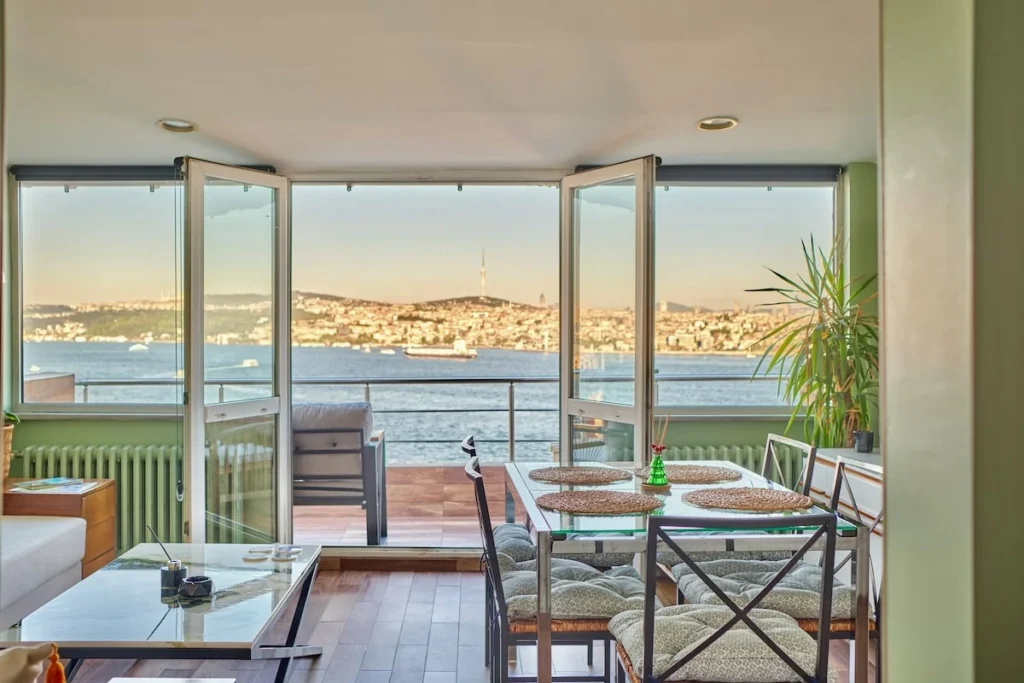
Short-term rentals have consequently gained attention in the two transcontinental tourism hubs. Apartments can offer kitchens, separate workspaces and facilities suited to extended stays. These features appeal particularly to families, remote workers and cost-conscious international visitors.
The shift does not mean traditional hotels have lost their importance. However, it shows how quickly travellers can change booking behaviour when energy volatility, inflation and higher operating costs affect room prices.
Energy disruption raises tourism costs
The Strait of Hormuz remains critical to global energy transportation. Disruption to maritime movements through the corridor during 2026 restricted oil and liquefied natural gas flows, creating wider consequences for energy-importing economies.
Tourism businesses are especially exposed because their operations depend heavily on reliable power and transport. Hotels require continuous electricity for air conditioning, lighting, lifts, kitchens, laundry facilities, water heating and other services.
Airlines also face pressure when fuel prices climb. Higher aviation expenses can influence ticket prices, flight planning and the cost of maintaining international networks. Travellers may respond by reducing spending elsewhere, including their accommodation budgets.
Hotels cannot easily suspend essential systems when demand weakens. Therefore, operators may need to adjust room rates, reduce selected services or invest in efficiency measures to protect margins.
This situation has made energy security an increasingly important issue for tourism planning. Destinations with resilient power networks and diversified accommodation inventories may be better prepared to absorb future shocks.
Cairo builds on strong visitor momentum
Egypt entered 2026 following an exceptionally strong year for international tourism. The country received approximately 19 million tourists in 2025, setting a new annual record.
That momentum continued during the first four months of 2026, when Egypt welcomed about 6.1 million tourists. The figure represented a seven per cent increase over the same period in 2025.
Cairo remains central to this growth. Its historic attractions, expanding museum offering and role as an aviation gateway continue to support international demand.
However, rising operating expenses can affect accommodation affordability, especially during periods requiring intensive air-conditioning. Visitors comparing prices may therefore consider apartments in districts such as Zamalek, Maadi and New Cairo.
These neighbourhood stays can also distribute visitor spending more widely. Guests frequently purchase groceries, use local transport and visit independent restaurants or cafés outside traditional hotel districts.
Nevertheless, rapid short-term rental growth can create challenges involving licensing, taxation, safety standards and housing availability. Managing these concerns will be important if Cairo is to balance tourism expansion with the needs of permanent residents.
Istanbul attracts flexible urban stays
Istanbul faces similar pressures while remaining one of the world’s most important cultural and aviation gateways. The city connects Europe and Asia and supports Türkiye’s wider ambitions for tourism growth.
Energy imports priced in foreign currency can increase expenses for Turkish tourism businesses during periods of commodity volatility. Hotels may experience combined pressure from energy costs, inflation and currency movements.
As a result, visitors are paying closer attention to the overall value of their accommodation. Residential districts such as Kadıköy, Beyoğlu and parts of the historic peninsula offer alternatives for travellers seeking flexible stays.
Apartments with kitchens can help visitors manage food expenses. Washing machines and work areas also make these properties attractive for longer trips and remote working.
Türkiye already regulates short-term tourist accommodation. Property owners must comply with licensing and other legal requirements introduced to improve oversight of rentals lasting 100 days or fewer.
Travellers should therefore confirm that a property operates legally, check cancellation terms and review safety information before booking.
Longer stays reshape local tourism economies
Higher aviation costs may encourage some travellers to take fewer trips while staying longer at each destination. This pattern strengthens demand for accommodation that supports daily living rather than overnight visits alone.
The economic effect can extend beyond individual hosts. When visitors stay in residential districts, spending can reach neighbourhood supermarkets, bakeries, restaurants and transport providers.
However, increased visitor activity can also place pressure on waste services, residential electricity networks and long-term rental availability. Local authorities must balance economic opportunities with community protection and infrastructure capacity.
Hotels retain important advantages, including regulated service standards, professional staffing, daily housekeeping and on-site support. Short-term rentals compete through space, flexibility and potential savings.
Tourism enters an energy-conscious era
The changing accommodation landscape in Istanbul and Cairo demonstrates how geopolitical events can influence everyday travel decisions.
For hotels, the crisis strengthens the case for solar energy, improved insulation and smarter power-management systems. Reducing dependence on volatile fossil-fuel costs could help operators stabilise future room prices.
For travellers, comparing the complete cost and legal status of accommodation has become increasingly important. Istanbul and Cairo Airbnb demand reflects a wider search for flexibility during an uncertain period.
Both cities remain highly adaptable tourism centres. Their ability to offer hotels, serviced apartments and regulated rentals will help them preserve visitor demand while the global travel industry navigates continuing energy pressures.
For more travel news like this, keep reading Global Travel Wire