Japan luxury travel is moving beyond premium rooms and skyline views as visitors seek deeper cultural connections during stays in Tokyo. The Capitol Hotel Tokyu is responding to this shift with Japanese-modern interiors, immersive traditions, seasonal dining and a central location that gives travelers a calmer way to experience the capital.
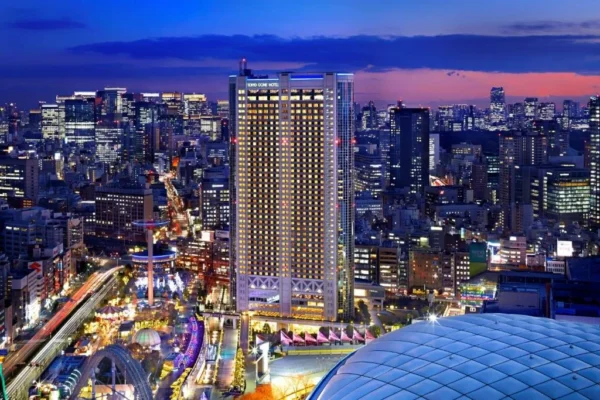
Located in Nagatacho, Chiyoda, the hotel sits close to Akasaka and Tokyo’s government district. It connects directly with Tameike-Sanno Station and Kokkai-gijidomae Station, giving guests convenient access to the Ginza, Marunouchi, Chiyoda and Namboku subway lines.
This location makes the hotel valuable for both leisure and business travelers. Guests can move easily between shopping districts, museums, restaurants, landmarks and meeting areas while returning to an environment shaped by quiet Japanese design.
Japanese Design Shapes the Guest Experience
The Capitol Hotel Tokyu has 251 guest rooms, including 14 suites. Rooms measure more than 44.8 square meters, offering generous space for a central Tokyo hotel.
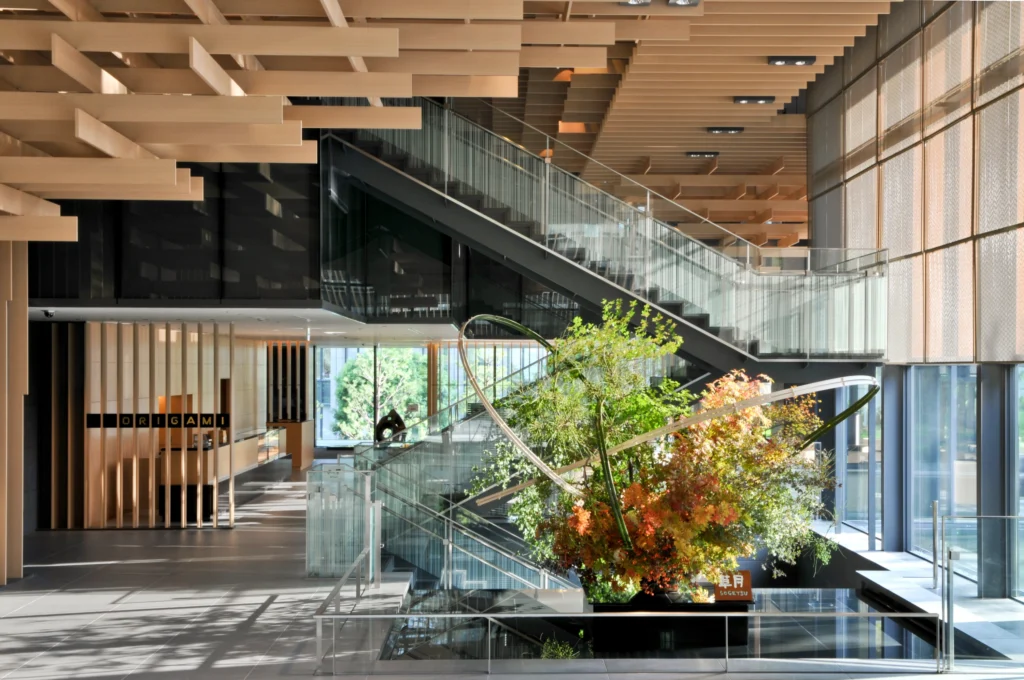
Japanese architectural elements play an important role in the experience. Shoji screens, fusuma-style partitions and clean interior lines create a sense of calm without sacrificing modern comfort. The design gives guests a visual and emotional connection with Japan rather than presenting a generic international luxury setting.
Many rooms provide views across the Tokyo skyline, including the National Diet Building. Some suites overlook garden greenery and the nearby Sanno Forest, while others sit on higher floors with broader city views.
This balance between urban energy and peaceful interiors has become increasingly attractive to premium travelers. Visitors can stay in the middle of one of the world’s most dynamic capitals while enjoying a slower, more reflective atmosphere.
Cultural Experiences Add Meaning to a Tokyo Stay
The hotel’s appeal extends beyond accommodation. Guests can take part in cultural activities that introduce Japanese traditions through direct experience.
Tea ceremony sessions offer an opportunity to learn about utensils, sweets, seasonal details and the spirit of hospitality. Flower arrangement experiences highlight balance, space and the beauty of seasonal plants. Incense ceremony introduces another side of Japanese culture through fragrance, literature and historical traditions.
These activities reflect a wider travel trend. Luxury travelers increasingly want experiences that feel personal and rooted in the destination. They are looking for moments that create lasting memories rather than simply checking into a prestigious address.
For Tokyo tourism, this creates valuable opportunities. Hotels that connect visitors with culture can encourage longer stays, higher spending and deeper engagement with local neighborhoods.
Seasonal Dining Strengthens the Hotel’s Identity
Food is another important part of the hotel experience. Japanese Restaurant Suiren offers kaiseki cuisine, sushi, tempura and teppanyaki, giving travelers several ways to explore Japanese culinary traditions.
Seasonality remains central to the dining concept. Ingredients, presentation and atmosphere reflect the time of year, helping guests understand how closely Japanese cuisine is connected with nature.
The hotel also carries forward signature dishes at All Day Dining Origami. This sense of continuity gives the property a stronger identity and adds another layer to the guest experience.
For international visitors, dining inside the hotel can become a cultural introduction before exploring Tokyo’s wider restaurant scene. For domestic travelers, the combination of traditional cuisine and modern hospitality creates a refined setting for celebrations, business meals and weekend escapes.
Hie Shrine Adds Cultural Value to the Location
The hotel’s neighborhood strengthens its tourism appeal. Hie Shrine is located nearby, offering visitors access to one of Tokyo’s notable spiritual and historical sites.
Known for its red torii gates, traditional atmosphere and connection with the Sanno Matsuri festival, the shrine provides a cultural contrast to the surrounding business district. Guests can explore the shrine grounds before returning to the hotel, creating an easy cultural experience without traveling far across the city.
The wider Akasaka area adds restaurants, entertainment and urban energy, while Nagatacho offers a quieter and more formal side of Tokyo.
Sustainability Supports a Modern Luxury Experience
The Capitol Hotel Tokyu also incorporates sustainability into its hospitality approach. Environmental awareness, community engagement, recycling and food-waste reduction all contribute to a more responsible model of urban luxury.
This matters because premium travelers increasingly consider how hotels operate, not only how rooms look. Luxury tourism is becoming more closely linked with local value, environmental responsibility and meaningful experiences.
Tokyo Luxury Travel Becomes More Experience-Led
The Capitol Hotel Tokyu represents a wider change in Japan luxury travel. Visitors still value comfort, service and location, but they also want cultural depth.
By combining spacious rooms, Japanese-modern design, seasonal dining, cultural activities and excellent transport access, the hotel offers a richer way to experience Tokyo.
For travelers seeking a premium stay with a strong sense of place, The Capitol Hotel Tokyu shows how luxury can feel both contemporary and deeply connected with Japan.
For more travel news like this, keep reading Global Travel Wire