Namibia has strengthened its position in the international luxury safari market following the completion of a N$260 million transformation of Mokuti Etosha, a strategically located wilderness resort beside Etosha National Park.
The extensive redevelopment has repositioned the established property as a contemporary safari retreat combining upgraded accommodation, Namibian heritage, premium dining and immersive wildlife experiences. Located only around 40 metres from the Von Lindequist Gate, Mokuti Etosha offers travellers almost immediate access to the eastern section of Namibia’s flagship national park.
The transformation is expected to support Namibia’s ambition to attract higher-value international visitors seeking wildlife encounters without sacrificing comfort. It also gives tour operators and travel advisers an enhanced accommodation option for itineraries linking Etosha with Namibia’s deserts, coastal destinations and cultural attractions.
N$260 Million Redevelopment Upgrades Guest Experience
The project has reshaped Mokuti Etosha’s accommodation, public areas and hospitality facilities around the concept of “Africa Re-imagined.”
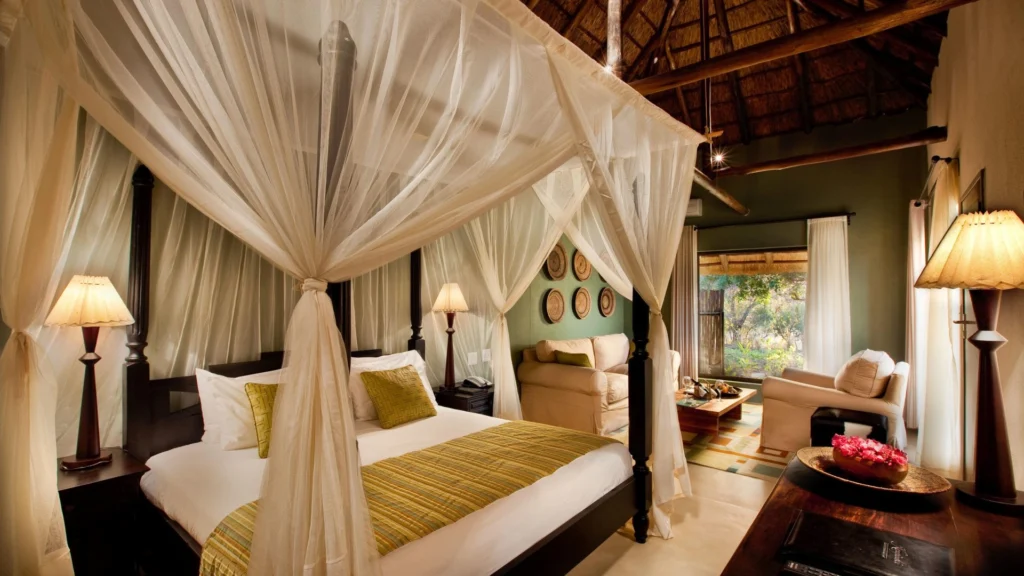
Upgrades include renovated guestrooms, redesigned Junior Suites and the introduction of the Ombala Presidential Suite for travellers seeking greater privacy and exclusivity. Refreshed communal areas, improved conference facilities and new leisure spaces have also expanded the resort’s appeal beyond traditional safari holidays.
The renewed property aims to connect modern design with Namibia’s landscapes rather than creating a luxury environment separated from its surroundings. Architecture, interiors and guest experiences incorporate natural influences and cultural details intended to provide a stronger sense of place.
This approach reflects changing traveller expectations. International safari visitors increasingly want comfortable accommodation, but they also expect meaningful links with local culture, conservation and the communities surrounding major wildlife destinations.
SkyBoma Brings Dining Under Namibia’s Night Skies
Food and hospitality form an important part of the redesigned resort experience.
Mokuti Etosha combines African and international culinary influences, using contemporary presentation alongside flavours connected to the region. Its SkyBoma has become a signature attraction, offering open-air dining beneath Namibia’s expansive night skies.
The setting allows guests to extend their wilderness experience beyond daytime game drives. Dining, storytelling and social interaction can continue outdoors after sunset, creating a distinctive alternative to a conventional hotel restaurant.
Additional leisure and retail areas give visitors opportunities to relax between safari activities and explore locally inspired products. These facilities are particularly valuable for travellers staying several nights while visiting different parts of Etosha National Park.
Gateway to Namibia’s Flagship National Park
Mokuti Etosha’s location remains one of its greatest tourism advantages.
Namibia’s Ministry of Environment, Forestry and Tourism describes Etosha as the country’s flagship park and leading tourism destination. The protected area supports 114 large and small mammal species, more than 400 recorded bird species and numerous reptiles.
The park is recognised for its vast salt pan, open plains and waterholes that attract wildlife during dry conditions. Visitors may encounter elephants, lions, rhinos, giraffes, zebras, antelope and diverse birdlife while travelling through the landscape.
Its open terrain can provide exceptional visibility, making Etosha particularly attractive to photographers and first-time safari travellers. Wildlife often gathers around established water sources, allowing visitors to observe several species within relatively concentrated areas.
Staying beside the Von Lindequist Gate also reduces the time required to reach the park, enabling guests to begin early game drives and return conveniently to the resort after extended wildlife excursions.
Local Employment Supports Wider Tourism Economy
The redevelopment has created benefits beyond the guest experience.
Project information indicates that 115 people were employed during construction, including 111 Namibian workers. Around 15 local suppliers were also involved, while the expanded resort operation is expected to support additional permanent hospitality positions.
Such investment contributes to tourism’s wider economic network, including construction, food production, transportation, guiding, retail and professional services.
Luxury safari developments can generate particularly broad benefits because guests often combine accommodation with guided activities, cultural experiences and multi-destination itineraries. Spending can therefore reach local businesses beyond the resort itself.
The improved property may also strengthen Namibia’s competitiveness against established safari destinations elsewhere in southern and eastern Africa.
Culture and Conservation Shape the New Identity
Mokuti Etosha’s transformation places greater emphasis on Namibia’s cultural identity and the historical connection of the Hai//om community with the Etosha landscape.
Recognising indigenous heritage gives visitors a deeper understanding of the destination and supports a more inclusive tourism narrative. It also reflects the wider movement towards safari experiences built around conservation, community and cultural interpretation.
Namibia’s protected-area network covers a significant part of the country and supports wildlife conservation alongside tourism development. Resorts positioned near major parks therefore play an important role in encouraging responsible visitor behaviour and communicating the value of natural ecosystems.
The renewed Mokuti Etosha represents more than a hotel refurbishment. It creates a stronger gateway to Etosha National Park while showing how established safari properties can evolve around modern luxury, local employment, conservation values and authentic Namibian experiences.
For global travellers, the transformation adds a compelling new reason to experience Namibia’s extraordinary wildlife landscapes in greater comfort.
For more travel news like this, keep reading Global Travel Wire