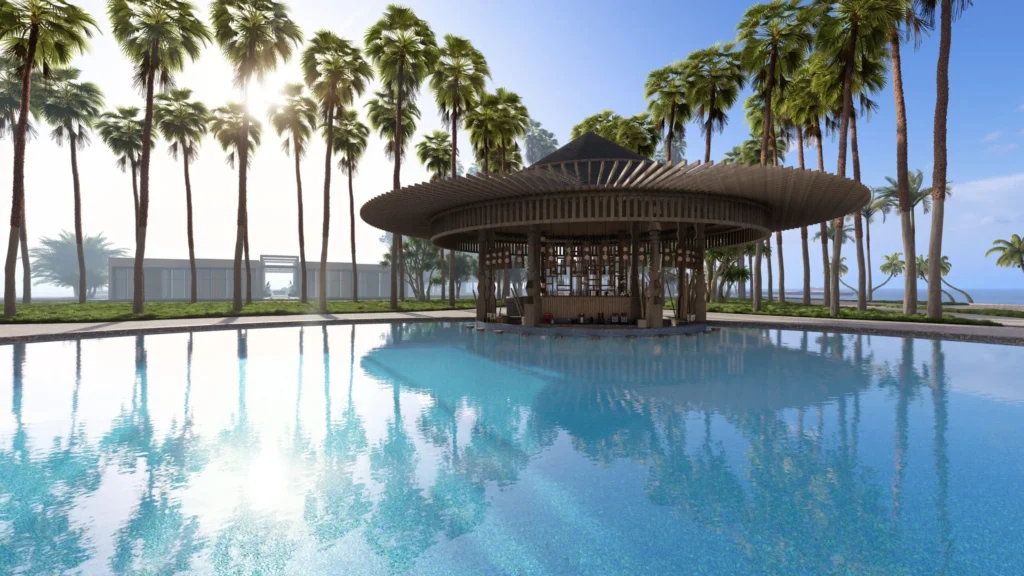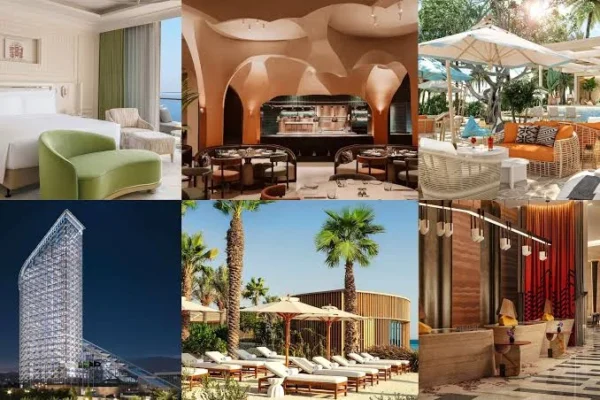
Saudi Arabia has approved 19 hospitality projects across five tourism destinations, targeting SAR6.7 billion in investment and over 3,000 additional rooms. Approximately 40% of the planned accommodation will serve coastal destinations, giving beach tourism a substantial share of the expansion.
The Ministry of Tourism and Ministry of Investment announced the approvals on October 19, 2026, under the Hospitality Investment Enablers Program.
The first approved property is scheduled to begin operations by the end of 2026. Further openings will follow through 2029.
For travellers, the programme promises additional accommodation choices across emerging destinations. Its wider tourism value will depend on completed properties, dependable transport and experiences that encourage guests to explore.
Coastal Accommodation Takes a Significant Share
The coastal allocation creates opportunities to build holidays around overnight stays rather than brief excursions.
Additional accommodation can give visitors more time for restaurants, attractions and activities near their chosen destination. However, rooms alone cannot establish demand for longer holidays.
Travellers also need clear information about beach access, local transport and available excursions. These practical details help determine whether a destination supports a weekend break or a longer itinerary.
The announcement does not confirm specific boat tours, diving packages or included activities. Individual hotels and experience providers will need to publish those arrangements separately.
Phased Openings Support Tourism Planning
The opening timetable spreads new accommodation supply across several years, with the final projects expected to enter operation during 2029.
That schedule allows hospitality development to progress ahead of major events, including Expo 2030 Riyadh and the 2034 FIFA World Cup.
However, approval does not mean a property has completed construction or opened reservations. Travellers should obtain confirmation from individual hotels before arranging stays.
Tour operators will similarly need reliable opening dates, room allocations and transfer arrangements before selling complete holiday packages.
For destination businesses, the commercial milestone comes when accommodation becomes available and guests can confidently book their entire journey.
Investment Support Targets Project Viability
The Hospitality Investment Enablers Program aims to encourage private investment by reducing operating costs and strengthening the commercial feasibility of developments.
The broader investment framework covers three-, four- and five-star accommodation, alongside qualifying mixed-use projects. This approach provides scope for different hospitality products rather than a single luxury category.
For visitors, that could eventually mean a broader range of accommodation styles. Nevertheless, the approved batch does not establish future room rates.
Lower project costs should not be interpreted as guaranteed discounts. Hotels will determine prices according to their positioning, operating conditions and market demand.
Domestic and International Travellers Both Matter
Saudi Arabia recorded 122.6 million domestic and inbound tourists in 2025, representing growth of 5.8% over 2024.
Combined tourism spending reached SAR303.7 billion, an increase of 7%. These totals describe both resident and overseas travel.
Inbound tourism accounted for 29.3 million tourists and SAR176.6 billion in spending. Domestic tourism contributed 93.3 million tourists and SAR127.1 billion.
The balance highlights why new hotels need to appeal to Saudi residents alongside international holidaymakers.
However, national performance cannot establish demand for an individual property. Each development requires an offer suited to its location, intended guests and surrounding attractions.
Local Businesses Could Share Visitor Spending
The ministries expect the projects to support more than 17,000 jobs. By 2030, their projected annual direct GDP contribution exceeds SAR2.4 billion.
The programme also anticipates more than SAR5.3 billion in local-content contribution by that year through demand for domestic goods, services and materials.
These figures remain forecasts rather than benefits already delivered.
Restaurants, retailers, guides and entertainment providers could gain customers as hotels begin welcoming guests. Local suppliers may also participate through procurement and service contracts.
However, procurement spending differs from visitor expenditure. Both can support local economies, but they measure different commercial activities.
Complete Itineraries Will Determine Visitor Appeal
Air access and ground transport will influence how easily travellers use the new accommodation.
The hotel approvals do not announce additional flights, new airline routes or expanded airport capacity. Those developments would require separate confirmation.
Similarly, a hotel opening does not automatically provide convenient access to nearby attractions. Transfers, operating hours and bookable activities remain essential parts of the visitor experience.
For tourism businesses, coordination can help turn accommodation supply into appealing holidays. Hotels provide the base, while surrounding services give guests reasons to stay longer.
Saudi Arabia’s approved pipeline establishes investment expectations and a phased delivery schedule. Its contribution to longer visits will become clearer after properties open and travellers begin using them.
For more travel news like this, keep reading Global Travel Wire