The regional travel framework across Africa is entering a vibrant phase of growth, supported by steady gains in business travel, diplomatic gatherings, and international visitor arrivals. As global hospitality brands identify long-term commercial potential across emerging markets, strategic real estate partnerships are accelerating the development of modern hotel infrastructure. By establishing presence in key regional gateways, international operators are enhancing domestic lodging inventories while elevating overall urban development standards.
Capital cities across Sub-Saharan Africa are increasingly serving as central corporate, diplomatic, and logistics hubs. To meet the evolving needs of modern international travelers, property developers and global hospitality networks are aligning to introduce high-quality, midscale, and upscale accommodation models integrated into vibrant mixed-use commercial precincts.
Unlocking Commercial Potential in Emerging Capital Hubs
The expansion of global hospitality platforms into growing urban centers reflects sustained commercial confidence in the broader regional tourism ecosystem. Historically, domestic travel markets across emerging regions faced structural supply shortages, particularly regarding internationally branded, mid-tier properties capable of offering standardized quality, modern technological connectivity, and flexible conferencing infrastructure.
Strategic brand expansions help address this market gap. By introducing globally recognized focused-service concepts, operators cater to business executives, regional trade delegations, and leisure travelers seeking structured dependability. Furthermore, multi-use urban developments allow hospitality assets to coexist with office towers, retail complexes, dining districts, and residential spaces, fostering connected environments that enhance property values and attract broader investment.
Key operational factors driving international brand expansions into regional hub cities include:
Integrated Precinct Development: Combining hotel properties with retail, corporate, and event facilities to optimize foot traffic and sustained commercial viability.
Proximity to Transit Infrastructure: Strategic positioning within reasonable travel distances of international airport hubs and major highway corridors.
Targeted Corporate Amenities: Equipping properties with flexible meeting spaces, high-speed digital connectivity, and dedicated business services.
Diverse Dining and Wellness Spaces: Incorporating all-day dining venues, outdoor terraces, state-of-the-art fitness centers, and leisure pools tailored to both local residents and overnight guests.
Transforming Harare’s Urban Landscape with Modern Infrastructure
A notable benchmark in regional property development is taking shape in Zimbabwe, where major international investments are aligning with booming tourism indicators. Following strong performance across the national travel sector—highlighted by international tourist arrivals surpassing 1.7 million visitors in recent annual figures—global hospitality enterprise Hilton has finalized an agreement with regional property developer Terrace Africa to introduce the first Hilton-branded property to the country.
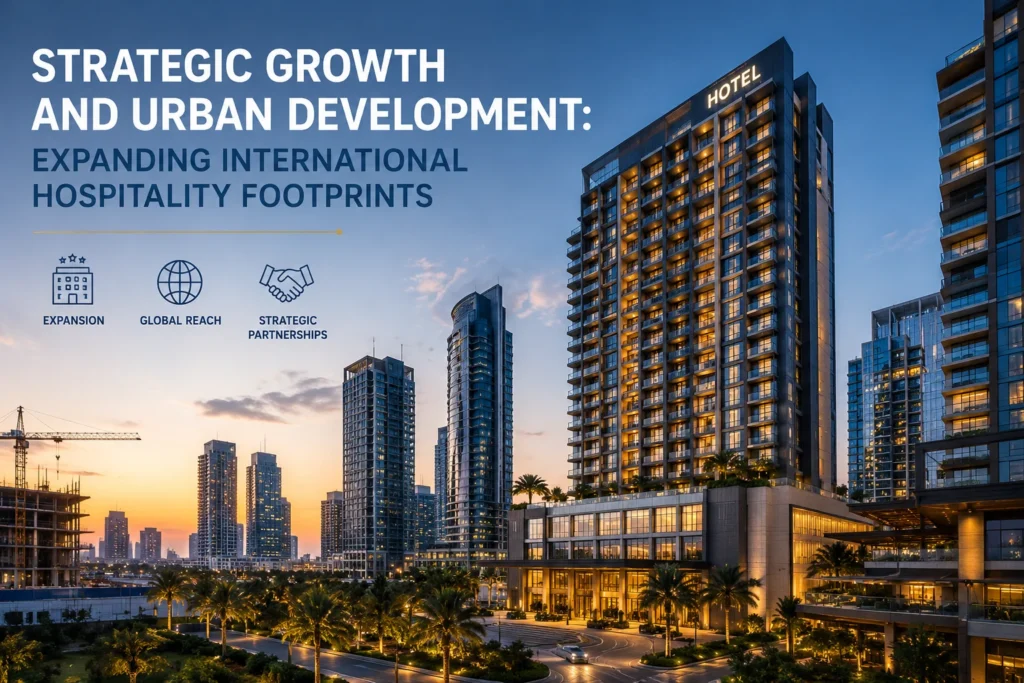
The planned development will feature a 140-room Hilton Garden Inn situated within the upmarket Highlands Precinct district in Harare. Scheduled to open its doors by 2029, the hotel will serve as a central anchor for the broader mixed-use urban development, offering direct access to corporate offices, upscale retail outlets, diplomatic venues, residential quarters, and event facilities. Located roughly 20 to 25 kilometers from Robert Gabriel Mugabe International Airport, the property sits within an established commercial and diplomatic neighborhood, facilitating effortless connections to key business districts across the capital.
The property design focuses on providing accessible, high-quality hospitality options through comprehensive amenities, including:
All-Day Dining and Social Spaces: Featuring a full-service restaurant with an outdoor terrace alongside a casual lobby cafe and lounge.
Comprehensive Wellness Facilities: Incorporating a modern indoor gym and a outdoor pool deck designed for leisure and small gatherings.
Flexible Event Infrastructure: Offering specialized conferencing rooms and adaptable business meeting areas for corporate and diplomatic events.
Regional Expansion Momentum Across Sub-Saharan Africa
The Harare project highlights a broader regional development pipeline maintained by major international hotel groups across Sub-Saharan Africa. Expanding global brand footprints rely heavily on established local property management and investment partners. For instance, developer Terrace Africa, established in 2011, has delivered over US$230 million in real estate projects across Zimbabwe, Zambia, Mozambique, and South Africa, while serving as the asset manager for listed property funds like the Tigere REIT.
Globally, specialized focused-service models continue to serve as primary growth drivers for international hotel networks expanding into emerging markets. The Hilton Garden Inn brand portfolio currently encompasses more than 1,100 operating properties across 65 countries and territories worldwide. Across the broader African continent, parent enterprise Hilton operates more than 70 active hotels, with an additional pipeline of over 100 properties in various stages of planning and construction, more than half of which are located in Sub-Saharan markets.
The Broader Economic Impact on Regional Tourism
The arrival of established international hotel brands produces compounding benefits for destination economies. Beyond adding modern room inventory, large-scale hospitality projects create direct employment opportunities in construction, property management, guest services, and food and beverage operations. Additionally, foreign direct investment in hospitality infrastructure stimulates local supply chains, benefiting agricultural producers, transportation providers, and local cultural artisans.
As regional capital cities continue to modernise their urban infrastructure, the integration of global hotel networks ensures that emerging commercial centers remain competitive on the international stage. Through steady corporate investment, sustainable real estate design, and strategic operational partnerships, the expansion of the regional hospitality sector will continue to drive economic growth and elevate international travel standards for years to come.
For more travel news like this, keep reading Global Travel Wire