Marriott International and FICO Corporation have outlined a seven-property Thailand portfolio spanning Bangkok, Pattaya and Phuket. The agreement combines luxury accommodation with lifestyle, focused-service and collection brands, creating a broader offering for business and leisure travellers.
The planned properties total 1,262 rooms, based on the individual counts supplied. Five hotels will be in Bangkok, with one each in Pattaya and Phuket.
The portfolio introduces citizenM, Four Points Flex by Sheraton and Series by Marriott to Thailand. It also includes JW Marriott Bangkok Sathorn, showing how different accommodation formats can sit within one development strategy.
Bangkok Accounts For Most Planned Rooms
Bangkok’s five properties represent 928 rooms, concentrating the expansion in the capital’s business, dining and transport districts.
JW Marriott Bangkok Sathorn will have 288 rooms. Its positioning includes sports, fitness and lifestyle wellness spaces alongside accommodation for corporate and leisure guests.
The proposed citizenM Bangkok Sukhumvit 11 will add 147 rooms in a district associated with dining and entertainment.
Three Four Points Flex properties complete the Bangkok portfolio. Sukhumvit 8 will have 162 rooms, Sukhumvit 14 will offer 130, and Surawong will provide 201.
Together, these properties create options across different locations and service formats. The supplied information does not establish opening dates or room prices.
Focused-Service Hotels Put Location At The Centre
The Sukhumvit 8 property is positioned near BTS Nana, while Sukhumvit 14 offers proximity to BTS Asok and MRT Sukhumvit.
These locations could appeal to visitors planning journeys around Bangkok’s urban rail network. Convenient transport access can influence hotel selection alongside price, room quality and available services.
The Surawong property adds another option around the Silom commercial area. Its location may suit business visits and travellers exploring nearby cultural districts.
Focused-service positioning generally concentrates the offering on essential accommodation needs. However, guests should check each hotel’s confirmed facilities rather than assume identical services across the brand.
Coastal Properties Join A Collection Brand
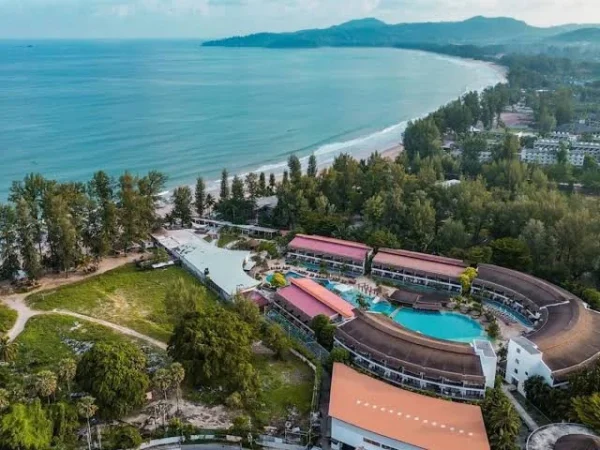
The agreement includes Easy Planet North Pattaya, with 192 rooms, and Easy Planet Phuket Patong, with 142.
Both properties will join Series by Marriott, giving the portfolio a presence in two established coastal leisure destinations.
Collection brands offer a framework for hotels to retain individual identities while participating in a wider hospitality network. For visitors, that can combine destination character with recognisable booking and service arrangements.
The coastal properties account for 334 rooms in the planned portfolio. Their tourism contribution will depend on opening schedules, bookings and the guest experience.
Local restaurants, transport providers and attractions could benefit from visitor spending associated with the hotels. The agreement alone does not quantify those gains.
Conversions Offer A Different Development Approach
The supplied material places conversions and rebranding at the centre of the investment discussion. These approaches use existing assets rather than relying entirely on new construction.
Where buildings are suitable, conversion can shorten development work and concentrate investment on refurbishment and operational requirements. Nevertheless, each project depends on building condition, permissions and brand standards.
The announcement does not provide comparable construction budgets, financing terms or projected returns for the seven hotels.
It therefore supports discussion of a diversified portfolio rather than proof that conversions outperform every new-build resort. The inclusion of JW Marriott also demonstrates continued interest in higher-end accommodation.
Broader Brand Mix Reflects Different Travel Needs
Rajeev Menon, Marriott’s President for Asia Pacific excluding China, described the expanded FICO relationship around evolving traveller preferences.
His stated priorities included lifestyle experiences, wellbeing and meaningful connections across urban and leisure destinations.
FICO Chairman Krit Srichawla similarly emphasised hospitality spaces that deliver guest experiences beyond accommodation alone.
The portfolio reflects those themes through several service categories. Corporate visitors, independent holidaymakers and travellers combining work with leisure may assess different properties according to their requirements.
However, the agreement does not establish which guest segments will dominate bookings or whether the hotels will generate higher rates.
Regional Investment Claims Need Measurable Evidence
The supplied analysis also describes interest in conversions across Vietnam, Indonesia and Malaysia. However, it provides no comparable investment totals demonstrating a region-wide shift away from luxury development.
Thailand’s seven-property agreement offers a concrete example of multiple brands sharing a portfolio. It cannot independently establish the direction of every Southeast Asian hotel market.
For travellers, the practical outcome will become clearer when hotels confirm opening dates, facilities and booking conditions.
For hospitality businesses, the expansion highlights the value of matching accommodation formats with specific locations and guest needs. Its commercial success will ultimately depend on execution, demand and consistent service delivery.
For more travel news like this, keep reading Global Travel Wire