UP Group Asia is expanding its partnership-led strategy across Thailand as hotels and convention centres pursue new revenue opportunities in 2026.
The company plans to work alongside hospitality teams through an integrated service model. Its approach is designed to improve guest value while strengthening the commercial potential of participating properties.
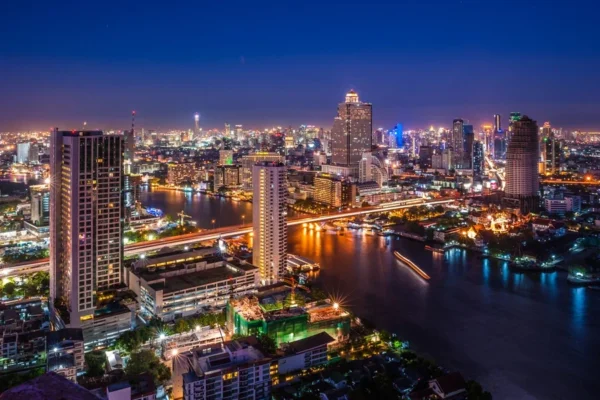
Thailand’s growing appeal for regional meetings, incentives, conferences and exhibitions supports the expansion. Bangkok, in particular, continues to attract business events because of its connectivity, hospitality infrastructure and appeal among international delegates.
Darren Chia, Head of Partnerships and Venue Development at UP Group Asia, said the company wants to build lasting relationships with hotels and venues. Its strategy moves beyond providing services for individual events.
Instead, the group aims to become a long-term operational partner that complements existing hotel and convention centre teams.
Integrated model targets hotel revenue growth
UP Group Asia’s partnership model gives hotels access to a wider collection of services for their guests. The company works with in-house teams instead of operating as a detached external supplier.
This collaborative structure could help participating properties generate additional revenue while improving the overall guest experience. It may also allow hotels to broaden their services without building every capability internally.
The company describes its platform as an all-in-one solution designed around the requirements of hotels, venues and their customers. That structure separates the model from traditional vendors focused on isolated contracts or individual events.
UP Group Asia has already developed the concept in Singapore. It now intends to adapt the model for Thailand and potentially other Asian markets.
Its expansion comes as hospitality properties face pressure to deliver more value without sharply increasing operating costs. That challenge is especially important for hotels competing for regional corporate events and international group bookings.
Bangkok gains momentum for regional events
Thailand’s events market is benefiting from a wider shift toward centralised Asian destinations. Bangkok offers extensive accommodation, convention facilities, air connectivity, dining and entertainment within one major visitor economy.
Official tourism initiatives are also strengthening the country’s international business connections. Thailand Tourism and MICE Next 2026 brought public agencies, private companies and academic institutions together in Bangkok during January.
The programme included more than 2,000 structured meetings between buyers and sellers from Thailand and overseas. Organisers expected those engagements to generate at least 3 billion baht in economic value.
Such activity reinforces Thailand’s role as a regional centre for tourism and MICE cooperation. It also creates opportunities for hotels to convert event demand into room revenue, catering sales, meeting packages and extended visitor stays.
International delegates frequently combine professional travel with dining, shopping, wellness and cultural activities. Therefore, successful events can distribute tourism spending beyond convention halls and into local businesses.
Hotels that offer convenient and memorable experiences may also secure repeat corporate bookings. This makes service partnerships increasingly relevant to properties seeking stronger commercial performance.
Value-conscious guests reshape hospitality demand
Clients are becoming more selective when comparing hotels and convention facilities in 2026. Competitive pricing remains important, but customers also expect practical benefits and better experiences within their booking packages.
This value-conscious behaviour encourages venues to strengthen their propositions without placing excessive costs on guests. Properties must balance affordability with service quality, technology and convenience.
UP Group Asia aims to support that balance by adding services through a cooperative model. According to Chia, the arrangement can also work for hotels operating with smaller budgets.
Under suitable partnership agreements, the company can provide full-service installation support without an upfront cost to hotel owners. This could reduce barriers for properties that want to enhance their offerings but have limited investment capacity.
The approach may prove particularly useful for independent hotels and smaller venues competing with larger convention properties. Access to additional services could help them pursue meetings, corporate functions and social events more effectively.
Long-term cooperation replaces one-event contracts
Many suppliers in the exhibition and hospitality sectors continue to operate through event-by-event contracts. UP Group Asia is positioning its strategy around continuing relationships and shared revenue opportunities.
The company believes closer coordination between service providers and hospitality teams can produce more consistent results. Hotels retain their direct connection with guests while gaining additional operational support.
Chia said UP Group Asia is committed to sustained cooperation rather than short-term commercial opportunities. The objective is to develop services jointly with each venue and deliver them as part of the wider guest experience.
This model aligns with Thailand’s effort to strengthen tourism competitiveness through cooperation, quality and market-led growth. It could also help venues respond more quickly as corporate travel patterns and delegate expectations evolve.
Thailand hospitality outlook remains positive
UP Group Asia views Thailand as a key growth market and sees continuing interest from international event delegates. The country’s established tourism appeal gives organisers an additional reason to select it for regional gatherings.
As Thailand advances as an Asian MICE hub, hotels and convention centres will need to translate demand into sustainable revenue. Integrated partnerships could help them expand guest services, improve competitiveness and capture more value from each event.
For the broader visitor economy, stronger venues may encourage larger events, longer stays and greater spending. That would benefit accommodation providers, restaurants, transport operators, attractions and local communities across Thailand.
For more travel news like this, keep reading Global Travel Wire