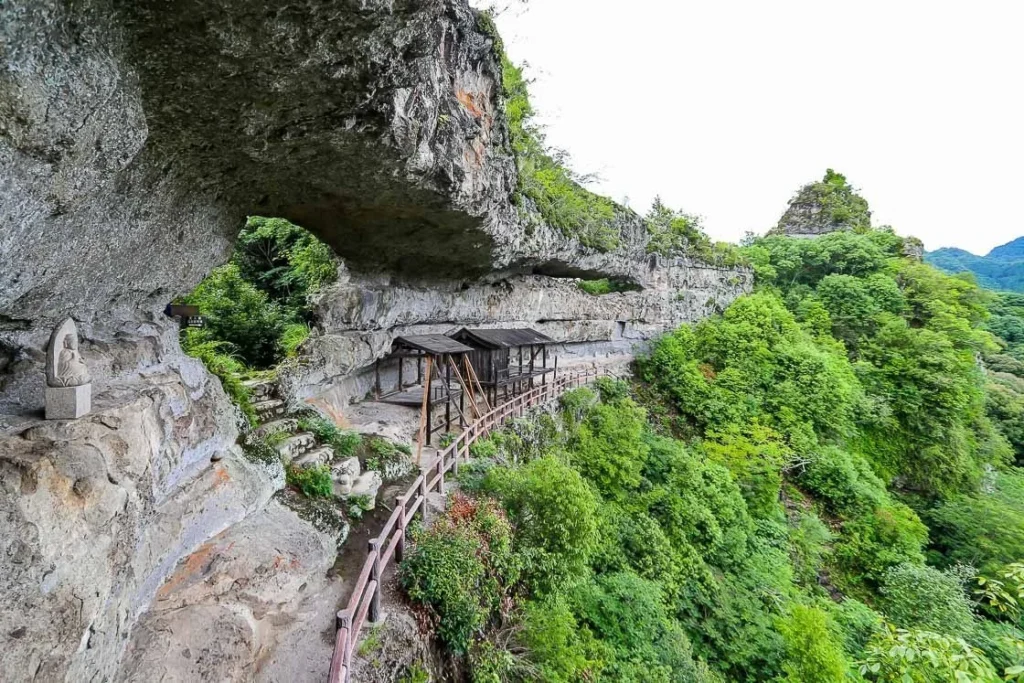
Japan’s Tohoku and Kyushu regions are offering travellers compelling alternatives to the familiar Tokyo-Kyoto-Osaka tourism route, combining efficient railway connections with samurai heritage, seasonal festivals, volcanic landscapes, hot springs and centuries-old craftsmanship.
Located at opposite ends of the country, the two regions showcase dramatically different sides of Japan. Tohoku stretches across six prefectures in northeastern Honshu and is distinguished by mountains, historic communities and strong seasonal traditions. Kyushu, Japan’s third-largest main island, offers active volcanoes, famous onsen destinations, historic port cities and celebrated ceramic centres.
Rail connectivity makes both regions particularly attractive for repeat visitors seeking multi-city journeys while retaining the convenience associated with Japanese transportation.
Tohoku opens a journey through samurai history
Fukushima provides an ideal introduction to Tohoku’s historical character.
Aizuwakamatsu retains powerful connections with Japan’s samurai past. Tsuruga Castle stands at the centre of this heritage, while traditional sake production, lacquerware and preserved streets add depth to the visitor experience.
Travellers can continue north toward Sendai and nearby Matsushima Bay. Famous for its pine-covered islands, Matsushima combines maritime scenery with temples and cultural attractions. Sightseeing cruises provide another perspective on one of Tohoku’s celebrated coastal landscapes.
Iwate introduces visitors to Hiraizumi, whose temples, gardens and archaeological sites are recognised for their major cultural importance. The destination offers travellers a quieter heritage experience away from Japan’s busiest tourism centres.
Festivals transform Tohoku through the seasons
Seasonality plays an especially important role in Tohoku tourism.
Akita’s Kanto Festival brings city streets alive with performers balancing towering bamboo poles decorated with lanterns. Aomori delivers another spectacular summer experience through its Nebuta Festival, renowned for enormous illuminated floats accompanied by dancers and musicians.
Winter completely changes the regional atmosphere.
Yokote’s Kamakura Festival creates snow-built shelters and illuminated winter scenes, while Yamagata attracts travellers through mountain landscapes and traditional hot-spring culture.
Yamadera is among Yamagata’s most distinctive attractions. Visitors climb roughly 1,000 stone steps through a forested mountainside to reach the historic temple complex and expansive views.
Nearby Ginzan Onsen provides another classic Japanese experience with traditional inns, hot springs and an atmospheric historic streetscape.
Kyushu delivers volcanoes, cuisine and coastal culture
Farther south, Kyushu presents an entirely different tourism landscape.
Fukuoka serves as a practical gateway, combining major transportation links with shopping, urban attractions and a celebrated culinary scene.
Saga offers visitors a strong connection with Japanese craftsmanship. Arita and Imari are internationally associated with porcelain production, making them attractive stops for travellers interested in pottery, design and traditional artistry.
Nagasaki adds a complex historical dimension. Its Peace Park and Atomic Bomb Museum commemorate the atomic bombing of August 9, 1945, while the city’s historic international connections remain visible in former foreign settlement areas.
Mount Inasa provides panoramic views across Nagasaki and its harbour, adding a scenic element to the city’s cultural itinerary.
Mount Aso and Beppu showcase volcanic Japan
Kyushu’s geology becomes one of the region’s strongest tourism attractions farther south.
Kumamoto provides access to Mount Aso and its enormous volcanic caldera. The surrounding landscapes offer sightseeing and outdoor opportunities for travellers seeking nature beyond Japan’s cities.
Oita delivers another expression of volcanic activity through Beppu, one of Japan’s best-known hot-spring destinations.
The city’s extensive geothermal activity supports a long-established bathing culture. Staying at a traditional ryokan allows international visitors to combine onsen experiences with Japanese hospitality.
Miyazaki shifts the journey toward the coast. Aoshima’s distinctive Devil’s Washboard geological formations create dramatic coastal scenery shaped by erosion.
Kagoshima offers an equally memorable conclusion through Sakurajima, one of Japan’s most active volcanoes. Ferries across Kagoshima Bay allow travellers to experience the volcanic landscape from close range.
Rail networks make regional Japan accessible
Rail transportation provides the foundation for exploring both regions.
The Tohoku Shinkansen connects Tokyo with major northern destinations, while connecting services extend toward cities including Akita and Yamagata.
In southern Japan, JR Kyushu services connect major destinations across the island, helping travellers combine Fukuoka, Saga, Nagasaki, Kumamoto, Oita, Miyazaki and Kagoshima within wider itineraries.
Regional trains and buses then extend journeys toward smaller towns, onsen communities and rural attractions.
Repeat visitors discover deeper Japan experiences
Tohoku and Kyushu demonstrate why Japan can reward repeated visits.
Tohoku combines samurai history, UNESCO-listed heritage, seasonal celebrations, mountain temples and traditional hot springs. Kyushu answers with ceramics, historic cities, dramatic coastlines, volcanic environments and distinctive bathing culture.
For travellers ready to move beyond Japan’s established tourism corridor, both regions offer something increasingly valuable: convenient rail travel combined with experiences deeply connected to local landscapes and traditions.
Together, Tohoku and Kyushu provide a powerful north-to-south journey through a more regional, culturally diverse and naturally dramatic Japan.
For more travel news like this, keep reading Global Travel Wire