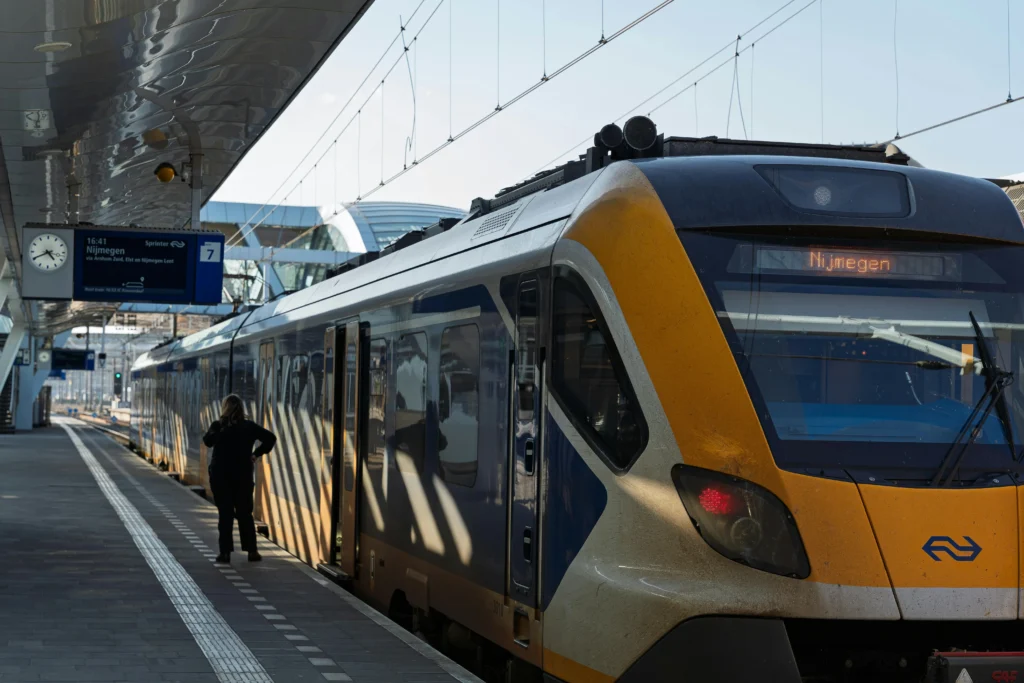
The picturesque northern provinces of the Netherlands, renowned for their vast landscapes, historic windmills, and serene coastal vistas, are preparing for a massive transport revolution. The regional rail networks of Groningen and Friesland are stepping into the global spotlight as foundational grounds for the next era of zero-emission transit. Driven by the mandates of the Dutch Climate Act, which requires all national rail transport to be completely climate-neutral by 2050, regional authorities are accelerating their efforts to phase out diesel locomotives.
According to joint announcements from national infrastructure manager ProRail, the Dutch Ministry of Infrastructure and Water Management, and the provincial governments of Friesland and Groningen, a comprehensive, definitive study is underway to select the ideal clean-energy technology for the northern rail network. With a final executive decision slated for autumn 2026, this landmark initiative is setting the stage for eco-friendly rail travel to become the definitive backbone of sustainable tourism in the northern Netherlands.
The 2035 Horizon: Designing a Seamless Visitor Experience
The transition timeline is meticulously aligned with the regional rail network’s natural infrastructure lifecycles. December 2035 marks the official conclusion of the current 15-year operational contract for the northern regional lines, alongside the planned retirement of the regional fleet of diesel multiple-unit trains. This convergence offers an unprecedented opportunity to completely redesign the travel experience for international tourists and domestic holidaymakers alike.
For travelers exploring the pristine beauty of the Wadden Sea coast, the historic streets of Leeuwarden, or the vibrant cultural hubs of Groningen, the upgrade means cleaner, quieter, and more reliable journeys. By transitioning a 250-kilometer regional network away from fossil fuels, the Netherlands is directly answering the growing global demand for responsible, low-carbon tourism. The initiative ensures that arriving at the country’s northern hidden gems will be just as green as the destinations themselves.
Evaluating the Future: Legacy Systems vs. International Standards
ProRail and its governmental partners are currently investigating four distinct infrastructure and rolling stock scenarios to replace legacy diesel operations. The core of the evaluation rests on balancing full or partial line electrification with innovative battery-powered trains.
The technical study is analyzing two main electrical frameworks: the classic Dutch 1.5 kV DC system and the internationally recognized 25 kV AC (50 Hz) high-power system. Currently, the high-voltage 25 kV system is restricted to dedicated corridors like the HSL Zuid high-speed line and the Betuweroute freight artery.
Implementing a traditional 1.5 kV DC setup across the northern provinces would necessitate a dense network of sub-stations along the tracks. Conversely, transitioning to a 25 kV AC system promises superior electrical efficiency and significantly higher power delivery, though it requires heavier onboard transformers within the train carriages. For eco-conscious tourists, the chosen technology will dictate not only the speed and smoothness of their cross-provincial journeys but also the aesthetic footprint of the infrastructure layout on the pristine northern Dutch countryside.
The Rise of Battery Trains in European Tourism
A highly promising element of the new transport strategy is the introduction of advanced battery trains. While these next-generation trains are not yet standard across the broader Dutch rail network, the concept is experiencing massive momentum across neighboring European borders.
Official innovation reviews from ProRail highlight that battery-electric multiple units are rapidly shifting from experimental concepts to mainstream transit backbones. The primary advantage of battery-driven rail lies in its exceptional efficiency regarding infrastructure costs. Instead of installing thousands of overhead wire supports through complex, sensitive ecological landscapes or historical village centers, battery trains can utilize “discontinuous electrification.” They charge swiftly while running under existing wired sections or during scheduled stops at major tourist stations, then seamlessly switch to internal battery storage when gliding through rural, protected landscapes.
The current ProRail research focuses intensely on how charging speeds, onboard weights, and battery chemical compositions differ when interacting with 1.5 kV DC versus 25 kV AC inputs. The goal is an optimized, cost-effective fleet that maintains maximum passenger comfort and flawless timetable reliability without compromising the visual and environmental integrity of the region.
Elevating the Tourist Appeal of Groningen and Friesland
Beyond the technical milestones, the greening of the northern lines is a major victory for regional tourism boards. A quiet, zero-emission rail network significantly enhances the appeal of the Dutch countryside, transforming daily commutes and holiday excursions into premium travel experiences.
By eliminating the noise and exhaust emissions of legacy diesel fleets, the provinces of Groningen and Friesland are positioning themselves as premier destinations for slow tourism and eco-travel. Travelers will soon enjoy completely silent journeys through pastoral landscapes, boosting the wellness and nature-focused appeal of these scenic regions.
Through close collaboration between regional directors, transport ministries, and provincial governments, the Netherlands is proving that cutting-edge infrastructure and affordable public transit can seamlessly coexist. The upcoming autumn 2026 decision will formally map out the future of northern travel, offering a sustainable blueprint for rail networks worldwide and securing the Netherlands’ status as a forward-thinking capital of green tourism.
For more travel news like this, keep reading Global Travel Wire