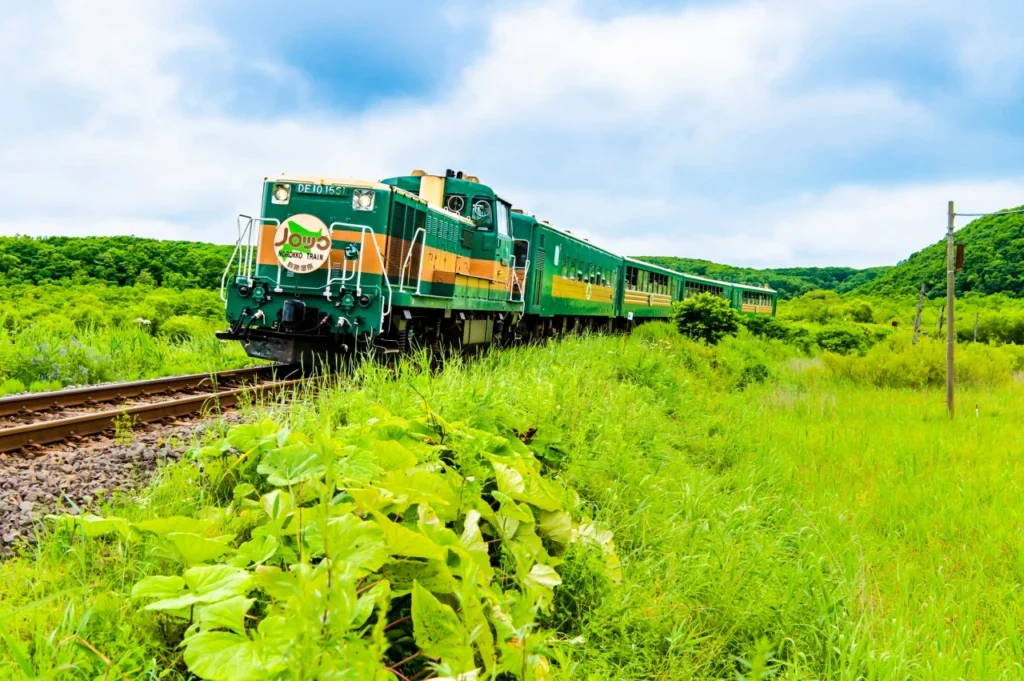
Japan’s celebrated Kushiro Wetland Norokko Train is approaching the end of its current operations, giving travellers a final opportunity to experience one of eastern Hokkaido’s most distinctive nature-focused railway journeys.
JR Hokkaido has confirmed that regular 2026 operations between Kushiro and Toro will continue on selected dates until October 4. A two-day farewell programme will then take place on October 9 and October 10, with the latter marking the final operation of the current Kushiro Wetland Norokko rolling stock.
The sightseeing train was introduced in 1989 and has become closely associated with tourism around Kushiro Shitsugen, Japan’s largest wetland. JR Hokkaido is promoting 2026 as a commemorative final year after 37 years of operations involving the first- and second-generation trains.
Ageing trains bring an iconic service to an end
The retirement is driven primarily by the age of the equipment.
JR Hokkaido says the locomotive used for the service is more than 45 years old, while its passenger cars have been operating for more than 40 years. Production of many replacement components has also ended, making continued maintenance increasingly difficult.
The current second-generation Norokko equipment entered service in 1998 and will retire after the 2026 season.
For Hokkaido tourism, the change represents the conclusion of a railway experience built around deliberately slow travel rather than speed.
Large windows allow passengers to experience fresh air and wide views while the train moves through an environment that cannot be fully accessed by road.
Kushiro-Toro journey puts nature at centre stage
The core Norokko journey operates between Kushiro and Toro along the Senmo Main Line.
Passengers travel slowly through Kushiro Wetland, with opportunities to observe expansive marshland and occasionally spot wildlife from the carriage windows. JR Hokkaido specifically highlights views available from the railway that cannot be reached by car.
The experience has helped turn transport itself into a tourism attraction.
Instead of simply reaching Toro, travellers can watch the landscape unfold throughout the journey. This makes the service particularly attractive to photographers, railway enthusiasts, wildlife visitors and travellers seeking quieter alternatives to Japan’s major metropolitan itineraries.
Kushiro Shitsugen is also an important nature destination in its own right, with official Japanese tourism information describing the Kushiro marshes as Japan’s largest marshland.
October 9 and 10 bring final farewell journeys
The final regular operating period runs from April 25 to October 4, covering 141 operating days during 2026. All cars operate with reserved seating.
JR Hokkaido has now confirmed two additional farewell operations.
On October 9, the Norokko Kawayu Onsen service will make one round trip between Kushiro and Kawayu-Onsen.
Then, on October 10, the Kushiro Wetland Norokko Train will make its final round trip between Kushiro and Toro. JR Hokkaido has explicitly identified October 10 as the last operating day for the train.
The farewell schedule creates a particularly limited opportunity for travellers planning an autumn visit to eastern Hokkaido.
Reservations become important for final-season travellers
Advance planning is essential because the train is not a normal year-round commuter service.
JR Hokkaido operates the Kushiro Wetland Norokko with all-reserved seating. Passengers need a basic fare ticket plus a reserved-seat ticket.
The published one-way basic fare between Kushiro and Toro is 680 yen, while the reserved-seat charge is 1,000 yen. Travellers without the required reserved-seat ticket cannot board.
With the current train entering its final weeks, demand from railway enthusiasts and repeat passengers could become particularly strong.
Visitors should therefore confirm operating dates and reservation availability before building a Hokkaido itinerary around the service.
Final season highlights Hokkaido slow tourism
The Norokko Train demonstrates the importance scenic railways can have for regional tourism.
Eastern Hokkaido offers wetlands, wildlife, national parks and rural landscapes far removed from Japan’s busiest tourism centres. Scenic trains help visitors access these places while making the journey part of the destination experience.
The train’s retirement does not diminish Kushiro Wetland’s tourism appeal. Visitors can continue exploring the national park through observatories, walking routes and nature experiences, while Hokkaido retains other seasonal railway attractions.
However, October 2026 will close a distinctive chapter.
For travellers fortunate enough to secure a seat, the final Kushiro Wetland Norokko journeys offer something increasingly valuable in modern tourism: time to slow down, watch Hokkaido’s enormous wetland landscape pass the window and experience a railway tradition that has connected visitors with eastern Japan’s natural environment since 1989.
For more travel news like this, keep reading Global Travel Wire