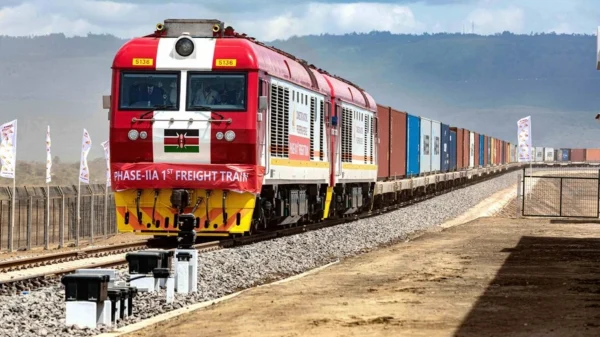
Kenya’s Standard Gauge Railway has transported 50 million metric tonnes of freight since cargo operations began in 2017, marking a major milestone for the country’s most prominent modern railway project.
The achievement strengthens the railway’s position as a strategic logistics corridor linking the Port of Mombasa with Nairobi and inland markets. It also highlights the growing role of rail infrastructure in supporting tourism, trade and regional mobility across East Africa.
The SGR’s passenger service, marketed as the Madaraka Express, has transformed travel between Kenya’s leading coastal gateway and its capital. Meanwhile, freight services have helped businesses move imports and exports away from congested roads.
However, the milestone comes as Kenya continues managing substantial public debt obligations. China remains the country’s largest bilateral creditor, and loans associated with major infrastructure projects continue to influence national budget discussions.
The SGR therefore represents both the opportunities and financial challenges connected with large-scale transport development.
Freight growth strengthens the Mombasa corridor
The first phase of the SGR covers approximately 472 kilometres between Mombasa and Nairobi.
Freight trains move containers and other cargo from Mombasa Port to inland facilities, including the Nairobi Inland Container Depot. The railway also extends towards Naivasha, creating a connection with existing metre-gauge services serving western Kenya and regional markets.
Transporting 50 million tonnes demonstrates the increasing importance of rail within Kenya’s logistics system.
Rail freight can move large cargo volumes while reducing pressure on the heavily travelled Mombasa–Nairobi highway. It can also support more predictable delivery schedules for businesses importing goods through Kenya’s principal seaport.
Mombasa Port serves Kenya as well as landlocked markets across East and Central Africa. These include Uganda, Rwanda, South Sudan, Burundi and parts of the Democratic Republic of Congo.
Efficient railway connections can therefore strengthen Kenya’s position as a regional trade gateway while supporting warehousing, manufacturing and logistics investment along the corridor.
Madaraka Express supports tourism mobility
The SGR has also changed passenger travel between Nairobi and Kenya’s Indian Ocean coast.
Madaraka Express services provide a scheduled alternative to long road journeys and domestic flights. Passengers can travel between Nairobi and Mombasa while passing through landscapes associated with some of Kenya’s best-known wildlife areas.
The route includes stations serving destinations such as Voi, Mtito Andei, Emali and Mariakani.
Voi provides access to Tsavo East and Tsavo West national parks, creating opportunities for rail-and-safari itineraries. Travellers can also continue from Mombasa towards coastal resorts, historic sites and beach destinations.
Reliable rail access supports domestic tourism by making coastal holidays more accessible to residents of Nairobi and surrounding regions.
International visitors can also combine Nairobi city stays, wildlife experiences and Indian Ocean tourism within one journey.
Hotels, restaurants, tour operators, taxi services and local attractions along the route can benefit when travellers stop in regional destinations rather than moving directly between the two largest cities.
Rail investment supports regional development
Modern transport infrastructure can encourage economic activity beyond railway stations.
Improved mobility helps workers reach employment centres while allowing businesses to connect with suppliers and customers. Stations can also attract commercial development, accommodation and passenger services.
The SGR supports Kenya’s broader ambition to strengthen transport links between the coast, Nairobi and western regions.
Plans to extend modern rail infrastructure towards Kisumu and the Ugandan border could deepen East African integration. Such expansion would connect more communities with Mombasa Port while creating additional passenger and tourism corridors.
Western Kenya offers lakeside tourism, cultural experiences and wildlife attractions that could benefit from stronger rail connectivity.
However, future extensions will require careful environmental assessment, funding arrangements and coordination between Kenya and neighbouring countries.
Passenger affordability remains important
Passenger performance has changed as operating costs and ticket prices have increased.
Official economic indicators have shown periods when SGR passenger numbers declined even as revenue remained supported by higher fares.
This trend reflects the challenge of balancing commercial sustainability with affordable public transport.
For many Kenyan households, price remains a decisive factor when choosing between rail, bus and private vehicles. Higher fares can strengthen revenue per passenger but may discourage some leisure and family journeys.
Maintaining competitive pricing will be important if the railway is to support domestic tourism and broad public mobility.
Service frequency, booking convenience, baggage rules and connections between stations and town centres will also influence passenger demand.
Debt obligations shape the railway debate
The SGR was developed with substantial external financing, largely connected to Chinese-backed infrastructure agreements.
Kenya’s external public debt remains significant, while China continues to rank as its largest bilateral creditor. Railway loan repayments form part of the wider pressure on government finances.
Debt servicing competes with spending requirements across healthcare, education, transport maintenance and other public services.
As a result, the SGR’s long-term value will depend on sustained freight demand, efficient operations and stronger economic activity along the railway corridor.
The government must also ensure that railway revenues, port operations and logistics policies work together without placing excessive costs on businesses or passengers.
Kenya’s railway enters its next phase
The 50-million-tonne freight milestone confirms that the SGR has become a central component of Kenya’s transport infrastructure.
Its contribution extends beyond cargo. The railway has improved passenger travel, supported tourism access and strengthened connections between Nairobi, the coast and regional trade routes.
Nevertheless, operational achievements must be measured alongside affordability, debt sustainability and future maintenance requirements.
Kenya’s experience offers important lessons for other African countries planning large railway projects.
Modern rail can transform trade and tourism, but its long-term success depends on responsible financing, strong passenger demand and efficient integration with ports, roads and regional networks.
For more travel news like this, keep reading Global Travel Wire