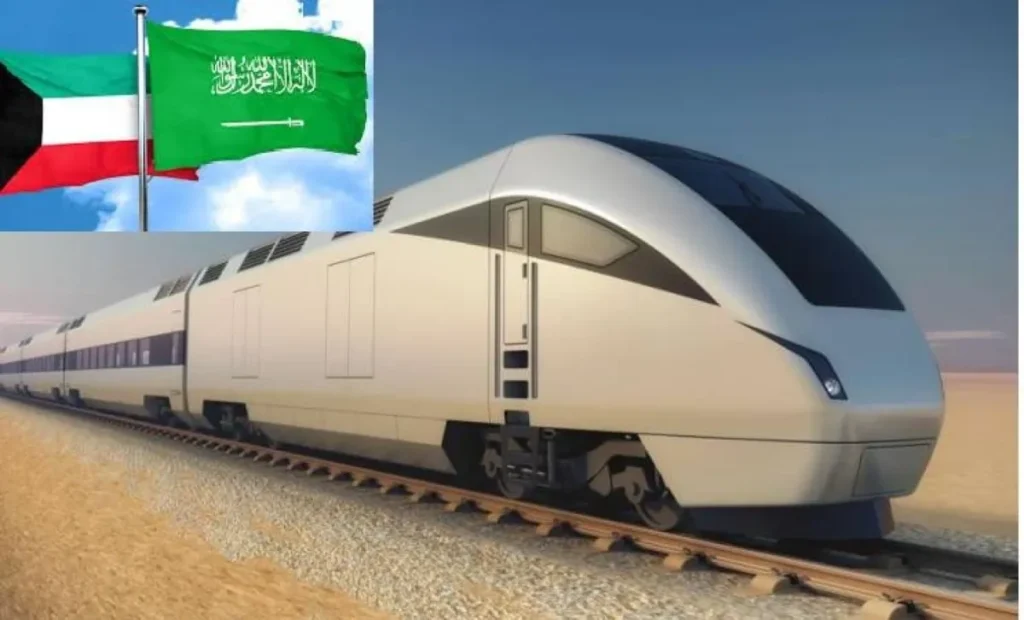
Kuwait has approved the land corridor for a major railway link to Saudi Arabia, advancing plans for a high-speed passenger connection designed to reduce travel time between Kuwait City and Riyadh to under two hours.
The approved right-of-way covers an 85-kilometre stretch from Kuwait’s southwestern border with Saudi Arabia to the Al-Shadadiya area near the university campus. The decision marks a significant step for the proposed cross-border transport project, which is expected to improve travel options between the two neighboring Gulf countries.
The planned railway would provide an alternative to road journeys and short-haul flights while supporting stronger tourism, business and cultural connections. Trains are planned to operate at speeds of up to 300 kilometres per hour, creating a faster route for travelers moving between the Kuwaiti and Saudi capitals.
New Rail Link Could Transform Gulf City Breaks
For tourism, the Kuwait–Riyadh railway has the potential to reshape short regional trips. A journey of under two hours could make weekend breaks, business visits and event travel more convenient for residents of both countries.
Travelers from Kuwait would gain easier access to Riyadh’s growing tourism offering, including cultural attractions, entertainment events, dining districts and major business gatherings. Visitors traveling north from Saudi Arabia could also use the railway to explore Kuwait City’s waterfront, museums, shopping areas and hospitality experiences.
The connection may also support hotels, restaurants, tour operators and local transport providers by encouraging more frequent cross-border journeys. Faster rail access can make short stays easier to plan while helping travelers avoid airport processing times associated with brief regional flights.
Al-Shadadiya Corridor Strengthens Kuwait Transport Planning
The approved Kuwaiti section places Al-Shadadiya at the center of the country’s rail ambitions. Its location gives the project a strategic entry point into the capital region while creating opportunities for future links with wider passenger and freight infrastructure.
The railway is part of a broader corridor connecting Kuwait City and Riyadh. By securing the required land inside Kuwait, authorities have cleared an important planning hurdle for the cross-border route.
The project also reflects a growing regional focus on integrated transport. Gulf countries are investing in rail infrastructure to improve mobility, support trade and diversify travel options across the Arabian Peninsula.
GCC Railway Network Adds Regional Importance
The Kuwait–Saudi Arabia connection is expected to contribute to the wider Gulf Cooperation Council railway project, which aims to link Kuwait, Saudi Arabia, Bahrain, Qatar, the United Arab Emirates and Oman.
The GCC railway is designed to strengthen movement between member states, improve the transport of goods and support deeper regional integration. Its wider tourism potential is equally significant. Cross-border rail services could make multi-country itineraries more accessible, allowing travelers to combine cities, cultural attractions and leisure destinations within a single Gulf journey.
The GCC has identified the railway project as an important part of regional connectivity. It has also highlighted the network’s potential to support economic integration, trade and the movement of residents and visitors.
Long-term projections indicate that the GCC railway network could serve more than eight million passengers by 2045 while transporting approximately 95 million tonnes of goods. These figures demonstrate the scale of the project and its potential influence on regional travel patterns.
Rail Travel Can Expand Tourism Beyond Airports
A high-speed Kuwait Riyadh train would add a new layer to Gulf tourism infrastructure. Airlines will remain essential for long-distance international journeys, but rail can offer a practical choice for travelers moving between nearby regional cities.
The passenger experience could become simpler and more flexible, particularly for families, business visitors and tourists carrying luggage. Central rail connections may also encourage travelers to explore more destinations without relying entirely on private vehicles.
For hospitality businesses, improved rail links can generate demand throughout the year. Hotels may benefit from short stays linked to festivals, conferences, sports events and shopping trips, while attractions can reach a wider regional audience.
Kuwait and Saudi Arabia Open a New Travel Chapter
The land approval represents a meaningful advance for the Kuwait Saudi Arabia high-speed railway. While the project will require further implementation work, its tourism potential is clear.
A journey of under two hours between Kuwait City and Riyadh could support more spontaneous trips, deepen regional connections and strengthen the Gulf’s position as an increasingly integrated tourism destination.
As rail development progresses, the route could become more than a transport link. It could serve as a gateway to new visitor flows, stronger local economies and a more connected travel experience across the Arabian Peninsula.
For more travel news like this, keep reading Global Travel Wire