Mumbai’s long-distance rail network is returning to normal after Central Railway completed a major 56-hour infrastructure block at Lokmanya Tilak Terminus, one of the city’s busiest gateways for mail and express services.
The engineering programme, carried out from June 24 to June 26, 2026, required extensive changes to train operations, including short-terminations, altered departure points and temporary passenger diversions. With the work now completed, regular services are being progressively restored, although travellers should continue checking their train status for any residual schedule adjustments.
The project was designed to increase operational capacity, strengthen monsoon resilience and improve train maintenance facilities at the terminus. Its completion is expected to support more reliable long-distance travel from Mumbai while reducing the need for repeated infrastructure closures in the future.
Major Infrastructure Work Completed at LTT
The 56-hour block allowed railway engineers to undertake several connected projects within a tightly controlled period.
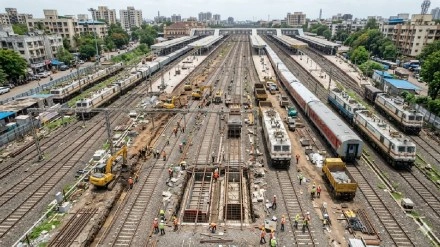
A new shunting neck was constructed to improve train movement within the yard and reduce operational conflicts when coaches are repositioned. Changes were also made to the existing sick siding, which is used for maintaining and repairing rolling stock requiring attention.
Pit lines six, seven, eight and nine were expanded to strengthen the terminus’s ability to inspect, clean and prepare long-distance trains. These facilities are essential at LTT because the station handles services linking Mumbai with destinations across northern, eastern, central and southern India.
Engineers also diverted water pipelines and installed upgraded drainage and storm-water systems. These improvements are particularly important during Mumbai’s monsoon, when intense rainfall can place pressure on station utilities and railway infrastructure.
By completing multiple projects during one continuous block, Central Railway aimed to limit the number of future closures required for related works.
Train Diversions Helped Prevent Congestion
The block created significant operational challenges because LTT serves a large number of long-distance passengers every day.
To keep engineering teams working safely and prevent congestion around the terminus, several trains were short-terminated or managed from alternative stations. Thane became an important interchange point for passengers whose services could not complete their usual journeys to LTT.
Prominent trains affected during the block included services such as the Kushinagar Express, Matsyagandha Express, Netravati Express and Amrit Bharat Express. Passengers travelling on affected routes were advised to confirm the actual arrival or departure station before beginning their journeys.
The use of Thane, Dadar and Panvel as alternative transport points helped distribute passenger movement across Mumbai’s wider suburban and regional network.
What Passengers Should Check Now
Although the infrastructure block has ended, complete timetable normalisation may not be immediate for every service. Long-distance trains can experience knock-on delays because rolling stock and crews must be returned to their planned operating cycles.
Passengers travelling from LTT during the immediate post-block period should check their train status through the National Train Enquiry System before leaving home or their hotel.
Travellers should also confirm whether their service is departing from Lokmanya Tilak Terminus or another Mumbai-area station. This is especially important for passengers arriving from outside the city, families carrying luggage and international visitors unfamiliar with Mumbai’s rail geography.
Station display boards and public announcements remain essential sources of last-minute information. Travellers should arrive with additional time, particularly during peak departure periods.
Refunds and Booking Support Remain Important
Passengers whose trains were cancelled or whose journeys were altered may be eligible for refunds under applicable Indian Railways rules.
Tickets booked online through authorised railway platforms should be reviewed through the same account used for the reservation. Passengers with counter tickets may need to follow the refund procedure prescribed for their ticket type and train status.
Those affected by short-termination should retain booking references, tickets and any official travel messages until their journey is completed and all claims are resolved.
Railway helpline 139 can provide assistance with train enquiries, station information and passenger support. However, travellers should use official digital systems wherever possible because demand for telephone assistance may remain high after a major block.
Mumbai Tourism and Long-Distance Travel Benefit
Lokmanya Tilak Terminus plays an important role in Mumbai’s wider visitor economy. It connects the city with numerous destinations and supports tourists, migrant workers, business travellers, families and pilgrims.
Improved servicing capacity at LTT could help Central Railway manage growing demand more efficiently, particularly during festivals, school holidays and peak summer travel periods.
More reliable operations also benefit Mumbai hotels, tour operators and transport providers because fewer delays can improve airport transfers, city arrivals and onward journeys to other parts of Maharashtra.
The drainage and utility upgrades may prove especially valuable during the monsoon tourism season, when passengers often face uncertainty caused by heavy rainfall.
Latest Mumbai Train Travel Tips
Passengers should avoid assuming that every train has immediately returned to its standard timetable. Checking live updates shortly before departure remains the safest approach.
Travellers connecting to flights or important appointments should maintain a generous time buffer. Local trains, metro services, taxis and app-based transport can support transfers between LTT, Thane, Dadar and other major stations, but travel times may increase during rush hours.
Keeping digital and printed copies of tickets can also help if mobile connectivity becomes unreliable at crowded stations.
The completion of the LTT mega block marks an important upgrade for Mumbai’s rail infrastructure. While short-term disruption affected thousands of travellers, the long-term outcome should be improved capacity, stronger maintenance facilities and a more resilient terminus prepared for future passenger growth.
For more travel news like this, keep reading Global Travel Wire