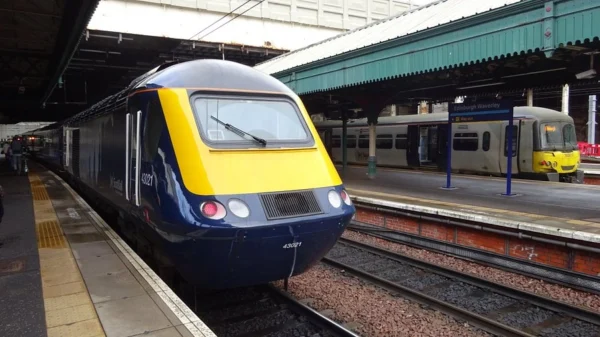
ScotRail is expanding train operations to Hampden Park ahead of Scotland’s major football final as authorities prepare for a significant surge in passenger demand across Glasgow’s transport network. The move comes as thousands of supporters are expected to travel to the national stadium, placing intense pressure on roads, parking infrastructure, and urban mobility systems throughout the city.
The enhanced rail plan is designed to increase train capacity, improve scheduling flexibility, and encourage football fans to choose rail over private vehicles during one of Scotland’s busiest sporting weekends. Transport planners believe the additional services will play a critical role in reducing congestion while supporting smoother arrivals and departures before and after kickoff.
As major sporting events continue driving concentrated travel demand, ScotRail’s expanded Hampden operations highlight the growing importance of rail-led event transportation across the United Kingdom.
Extra Train Capacity Added for Hampden Park Matchday Demand
ScotRail’s operational response reflects the increasing complexity of managing transportation during high-attendance football events. The rail operator has strengthened services to absorb large volumes of supporters travelling within compressed timeframes while maintaining network reliability across Glasgow and surrounding regions.
Additional departures and enhanced train formations are expected to improve passenger throughput and reduce overcrowding at stations close to Hampden Park. Transport officials are also focusing on crowd distribution strategies to support safer and more efficient movement across the network.
The expanded timetable is intended to help manage both pre-match arrivals and post-match departures, which traditionally create intense pressure on urban transport infrastructure.
With football supporters arriving from multiple regions across Scotland, the strengthened rail schedule provides an alternative to heavily congested road corridors surrounding the stadium.
Rail Travel Emerges as the Preferred Matchday Option
ScotRail is actively encouraging supporters to prioritize train travel over driving, reflecting broader changes in how major sporting events are managed in modern cities.
Rail systems increasingly offer a more predictable and efficient transport solution during large-scale public gatherings because they can move substantial passenger volumes within shorter periods. Unlike road-based transport, rail services are less vulnerable to traffic congestion and parking limitations near stadium venues.
Supporters travelling by train can also benefit from direct station access, coordinated service planning, and faster post-event dispersal compared to private vehicle travel.
The growing reliance on rail infrastructure during football fixtures reflects a wider transformation in urban event mobility, where transportation planning has become an essential part of the spectator experience.
Glasgow Strengthens Sustainable Event Transport Strategy
The Hampden rail expansion aligns with Scotland’s wider push toward more sustainable public transport solutions during large public events.
Transport planners increasingly view rail travel as a critical tool for reducing vehicle congestion, lowering emissions, and improving citywide mobility during peak demand periods. Encouraging supporters to use trains instead of private cars also helps preserve road functionality across Glasgow while reducing pressure on parking infrastructure near the stadium.
Sustainability goals are becoming more prominent in sports event planning as cities seek long-term solutions that balance passenger movement with environmental priorities.
The emphasis on rail-led travel around Hampden Park demonstrates how public transport is evolving into core infrastructure for Scotland’s sporting economy.
Early Journey Planning Encouraged for Supporters
Despite the increase in train services, authorities are advising football fans to prepare travel plans well in advance to avoid delays and improve the overall matchday experience.
Large sporting events often generate concentrated passenger surges immediately before kickoff and shortly after the final whistle. By spreading travel times more evenly throughout the day, supporters can help reduce congestion and improve operational efficiency across stations and trains.
Passengers are being encouraged to review schedules early, allow extra travel time, and plan return journeys before arriving at Hampden.
Transport officials believe advance planning will remain essential as attendance figures continue growing at major Scottish football fixtures.
Hampden Rail Operations Reflect a Wider Industry Shift
The expanded ScotRail operation highlights a broader transformation taking place across sporting event transportation throughout Europe and the United Kingdom.
Modern stadiums increasingly depend on integrated public transport systems instead of vehicle-heavy access models that create severe congestion and operational bottlenecks. Rail connectivity now plays a strategic role in venue management, crowd safety, and urban mobility planning.
By strengthening train services for major events, operators can improve visitor satisfaction while supporting local hospitality, retail, and tourism sectors connected to football weekends.
The approach also creates more scalable transport models capable of handling rising attendance levels without overwhelming city infrastructure.
Football Tourism Continues Driving Transport Demand
Scotland’s football calendar continues attracting significant domestic and regional travel activity, generating strong demand for rail, hospitality, and urban services during major fixtures.
Supporters travelling to Glasgow for the final are expected to contribute to hotel occupancy, restaurant spending, nightlife activity, and tourism-related economic growth throughout the city.
Enhanced transport connectivity also supports football tourism by making stadium access more convenient for visitors arriving from outside Glasgow and across wider parts of the UK.
As sports tourism expands, rail operators are increasingly becoming central partners in delivering seamless visitor experiences tied to major events.
ScotRail Positions Rail at the Centre of Scotland’s Event Future
The decision to strengthen Hampden services represents more than a temporary operational adjustment. It signals the growing role of rail transportation in Scotland’s long-term event planning strategy.
By increasing train availability, improving crowd movement, and promoting public transport adoption, ScotRail is helping establish a more resilient and sustainable framework for managing high-attendance sporting occasions.
As football crowds continue growing and urban mobility challenges intensify, rail-led transportation models are expected to remain at the forefront of Scotland’s event infrastructure development.
For more travel news like this, keep reading Global Travel Wire