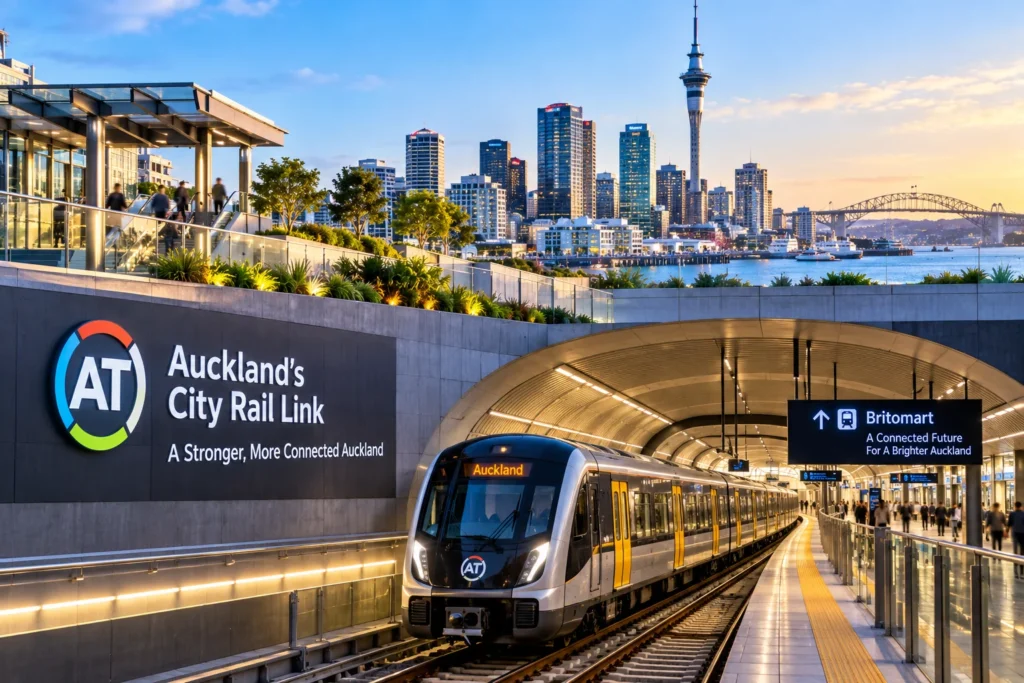
Official reports from federal transport agencies confirm that Tren Maya passenger transport operations have entered an expanded operational phase across the Yucatán Peninsula. Spanning 1,554 kilometers of track and serving 34 purpose-built stations, the national rail network connects Caribbean coastal resorts directly to historical Maya heartlands, protected biosphere reserves, and inland colonial centers.
By providing a modern rail link across five southeastern states—Quintana Roo, Yucatán, Campeche, Tabasco, and Chiapas—the federal initiative is successfully decentralizing visitor movement away from concentrated coastal resort corridors. Government announcements emphasize that integrated rail corridors foster regional economic development while offering international vacationers sustainable, low-emission travel alternatives.
Segmented Fleet Services Target Diverse International Travelers
Public statements from railway management outline a multi-tier passenger strategy designed to accommodate both regional commuters and long-distance international tourists. The standardized fleet service, known as Xiinbal, handles high-frequency point-to-point transit across primary urban and coastal stations.
To support extended multi-state itineraries, long-haul service tiers designated as P’atal feature premium amenities, including private sleeping compartments, reclining seats, and dedicated dining cars. These specialized long-distance trains cater to the growing global demand for slow travel, allowing passengers to journey comfortably across extensive jungle stretches between Chetumal, Calakmul, and Palenque.
Key operational features of the expanded rail fleet include:
Premium long-distance train cars equipped with private berths for overnight travel.
Onboard dining services featuring regional gastronomy curated by state tourism initiatives.
High-speed digital connectivity and accessible passenger features throughout station facilities.
Direct transport links connecting regional airports directly to subterranean and surface train platforms.
Strategic Southern Routes Decentralize Peninsula Tourism Flows
For decades, international arrivals were primarily concentrated along the resort corridor between Cancún and Tulum. Official tourism statistics confirm that the activation of the southern rail line is effectively shifting visitor distribution toward less-visited inland state regions.
The southern transit line links the Caribbean port city of Chetumal with inland archaeological sites at Xpujil and the Calakmul Biosphere Reserve, a protected natural zone encompassing over 700,000 hectares. Transporting visitors beyond resort towns allows regional authorities to present multi-day itineraries that combine coastal ecological attractions, such as Bacalar’s Lagoon of Seven Colors, with deep-jungle historical exploration.
Municipal tourism boards highlight several core benefits of the southern expansion:
Diverting passenger volume away from high-density coastal beach zones to preserve fragile marine ecosystems.
Extending average visitor stay durations through multi-destination, linear rail itineraries.
Directing international tourist spending into indigenous inland communities and local heritage craft markets.
Providing direct, secure transit access to remote Maya archaeological zones including Becán and Chicanná.
Environmental Safeguards and Sustainable Transit Goals
Federal environmental ministries and civil engineering divisions continue to emphasize sustainability standards embedded within the railway’s operating framework. Designed as a key component of national carbon-reduction strategies, the electrified rail network offers a clean alternative to heavy highway vehicular traffic across fragile tropical ecosystems.
In coordination with the National Institute of Anthropology and History, ongoing conservation initiatives monitor archaeological preservation along transit paths. Furthermore, state environmental agencies work alongside forestry departments to manage wildlife corridors and reforest protected zones adjacent to rail tracks, ensuring that increased passenger movement does not compromise regional biodiversity.
Government directives support the following environmental standards:
Deploying electric and hybrid locomotive technologies to reduce per-capita carbon emissions.
Establishing elevated viaduct structures along ecologically sensitive jungle corridors to preserve natural groundwater channels.
Implementing continuous environmental monitoring across protected biosphere boundaries.
Partnering with local conservation organizations to support eco-tourism guides in reserve areas.
Practical Administrative Guidance for Rail Travelers
National tourism boards and transport agencies recommend that international visitors keep essential operational guidelines in mind when planning trips aboard the peninsula rail system.
Official public advisories recommend the following practical steps:
Reserve long-distance premium berths several weeks in advance to secure preferred departure windows.
Select curated multi-day rail packages to combine train fares, boutique hotel stays, and official archaeological site entry passes.
Verify regional visa and identification requirements, as official foreign tourist rail tariffs apply across all ticket offices.
Utilize Chetumal or Mérida as secondary transit hubs for seamless excursions into surrounding cultural reserves.
For more travel news like this, keep reading Global Travel Wire