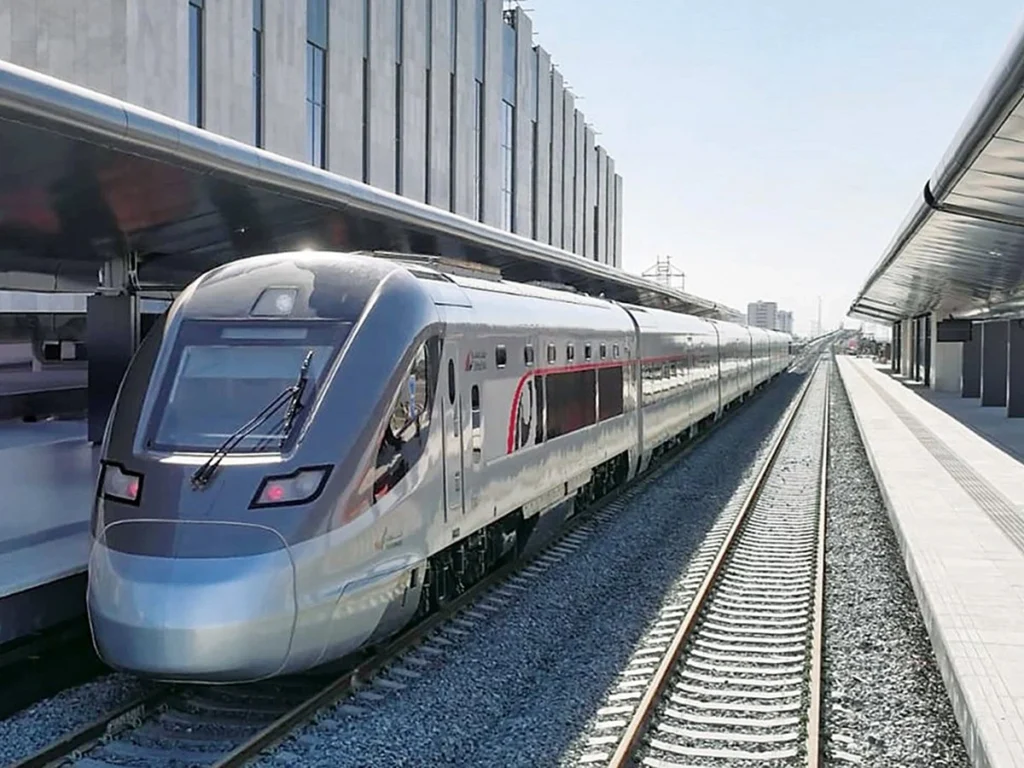
The United Arab Emirates is preparing for a major shift in domestic mobility as Etihad Rail advances passenger services between Abu Dhabi and Fujairah, creating a faster and more sustainable connection across the country.
An introductory operational phase is scheduled to begin on June 30, 2026, with the journey between Abu Dhabi and Fujairah expected to take approximately one hour and 45 minutes. The route will connect the UAE capital with the eastern coast through the country’s emerging national passenger rail network.
The development represents an important milestone for residents, commuters and tourists who have traditionally depended on road transport when travelling between the two emirates. It also strengthens the UAE’s ambition to build an integrated transport system linking cities, communities, airports, business districts and tourism destinations.
Although Etihad Rail passenger trains will operate at speeds of up to 200 kilometres per hour, the service is separate from the planned high-speed rail project between Abu Dhabi and Dubai.
Passenger Rail Network Enters Operational Phase
Etihad Rail has spent several years developing the infrastructure required to support both freight and passenger services across the UAE.
The national network extends for around 900 kilometres from Al Ghuwaifat near the Saudi border to Fujairah on the eastern coast. Freight operations are already active, while preparations for passenger travel have included station construction, fleet testing, signalling assessments and trial journeys.
The Abu Dhabi–Fujairah connection marks one of the first major passenger corridors to enter service. It demonstrates how the existing national rail infrastructure can support daily mobility while also opening new opportunities for tourism and regional economic development.
The passenger fleet will include modern trains designed around comfort, accessibility and long-distance travel. Stations are also expected to connect with local bus, taxi and urban transport systems, helping travellers continue their journeys after leaving the rail network.
Fujairah Gains Stronger Tourism Access
Fujairah stands to benefit significantly from the new connection.
The emirate is known for its mountain scenery, beaches, diving locations, historic forts and access to the Gulf of Oman. However, travel from Abu Dhabi has traditionally required a lengthy road journey across the country.
A direct rail service could make Fujairah more accessible for weekend breaks, day trips and multi-emirate holidays. Travellers will be able to spend less time on the road and more time visiting coastal resorts, heritage attractions and outdoor destinations.
Hotels, restaurants, tour operators and local attractions may benefit from increased visitor movement, particularly among residents of Abu Dhabi seeking shorter domestic holidays.
The route could also support cruise-related tourism and regional itineraries involving nearby destinations such as Khorfakkan, Kalba and the Hajar Mountains.
Abu Dhabi Becomes a Gateway to the National Rail Network
Abu Dhabi’s Mohammed Bin Zayed City passenger station will serve as a major hub within the national network.
The station is positioned to connect residents and visitors with destinations across the UAE while supporting the capital’s wider public transport system. Its role will become increasingly important as additional stations and services enter operation.
For international tourists arriving through Zayed International Airport, future integrated transport links could make it easier to combine Abu Dhabi’s cultural and leisure attractions with destinations in other emirates.
Visitors may eventually build rail-based itineraries connecting museums, coastal destinations, city hotels and inland attractions without relying entirely on rental cars or private transfers.
This could strengthen the UAE’s position as a connected tourism destination rather than a collection of separate city breaks.
Rail Travel Supports Sustainable Mobility Goals
The passenger network is also expected to contribute to the UAE’s sustainability ambitions.
Rail can move large numbers of passengers more efficiently than individual cars, helping reduce road congestion and supporting lower-emission intercity travel.
The service may be particularly attractive to commuters, students, business travellers and families who want a predictable alternative to long-distance driving.
By connecting residential communities with employment centres and tourism destinations, Etihad Rail could gradually influence travel behaviour across the country.
The network also supports the UAE’s wider strategy of integrating rail with buses, metro systems and other forms of public transport.
Tourism and Hospitality Could See Wider Benefits
Improved connectivity between Abu Dhabi and Fujairah could encourage longer stays and greater tourism spending.
Visitors who might previously have remained in one emirate could add another destination to their trip. This creates opportunities for hotels, attractions and hospitality businesses across several regions.
Business travel may also become easier as professionals gain a reliable connection between the capital and the east coast. Meetings, government travel and commercial activity could be completed with less dependence on road conditions.
The route may support local employment as passenger stations generate demand for transport, retail, hospitality and support services.
National Rollout Will Connect More Emirates
Etihad Rail plans to bring additional stations into service in phases.
Dubai and Al Dhaid stations are scheduled to open with the official launch on September 30, 2026. Al Dhafra is expected to follow in December 2026, while Sharjah is planned for March 2027.
The broader passenger network will ultimately connect 11 cities and areas across the UAE, creating a unified rail system from the western region to Fujairah.
As the rollout progresses, the Abu Dhabi–Fujairah service will stand as an early example of how national rail can reshape tourism, commuting and inter-emirate travel.
By reducing journey times and connecting major destinations, Etihad Rail is positioning passenger transport as a central part of the UAE’s next phase of mobility and tourism development.
For more travel news like this, keep reading Global Travel Wire