
Global Tourism Growth Slows in 2026 as Middle East Conflict and Rising Travel Costs Weigh on Demand
Global tourism growth slows to 0.4% in H1 2026 as Middle East conflict, higher travel costs and inflation reshape international travel demand.

Global tourism growth slows to 0.4% in H1 2026 as Middle East conflict, higher travel costs and inflation reshape international travel demand.
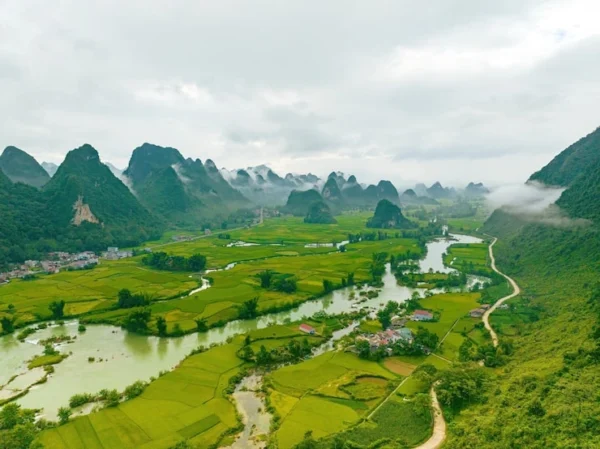
Vietnam is emerging as one of the strongest winners in the 2026 global tourism reset as travellers increasingly prioritise safe, stable, culturally rich and operationally reliable destinations over routes affected by geopolitical uncertainty, airspace disruption and flight instability. The shift is placing Vietnam alongside Thailand, Australia, Spain, India, Germany, Japan and Singapore as destinations benefiting
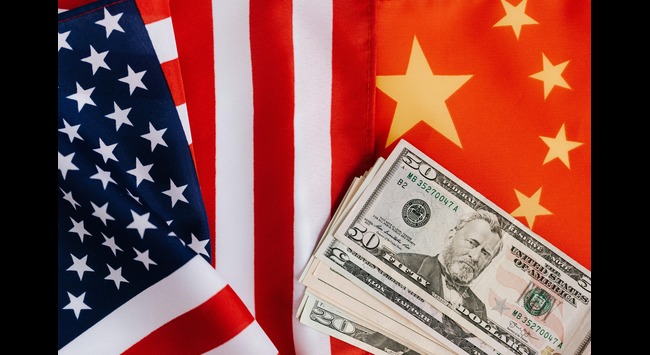
China is rapidly emerging as the world’s largest tourism market, driven by booming domestic travel demand, rising consumer spending, and massive investments in transportation and tourism infrastructure.

Australia is entering a new phase of international tourism expansion following the appointment of Kathryn O’Brien as executive general manager, global markets at Tourism Australia. The leadership move is expected to strengthen the country’s global tourism strategy through enhanced airline partnerships, expanded travel distribution networks, and targeted campaigns designed to attract high-value international visitors. O’Brien

Discover how Belt and Road Initiative mega projects like the Jakarta-Bandung HSR are boosting global eco-tourism and connectivity.