Vietnam is emerging as one of the strongest winners in the 2026 global tourism reset as travellers increasingly prioritise safe, stable, culturally rich and operationally reliable destinations over routes affected by geopolitical uncertainty, airspace disruption and flight instability.
The shift is placing Vietnam alongside Thailand, Australia, Spain, India, Germany, Japan and Singapore as destinations benefiting from a wider redistribution of international travel demand. The movement reflects a new traveller mindset in which confidence, direct connectivity, cultural depth and predictable journeys are now shaping booking decisions.
Official tourism data shows Vietnam entered 2026 with powerful momentum. The Viet Nam National Authority of Tourism reported nearly 2.5 million international visitors in January 2026, the highest monthly figure ever recorded, followed by nearly 4.7 million visitors across the first two months of the year. This signalled a move from recovery into sustained growth for one of Asia’s most dynamic tourism markets.
Global Travel Demand Moves Toward Certainty
The wider tourism environment is also supporting Vietnam’s rise. UN Tourism expects international tourism to grow by 3% to 4% in 2026 compared with 2025, assuming continued recovery in Asia and the Pacific and stable global economic conditions. That forecast strengthens the outlook for destinations with strong visitor experiences and dependable access.
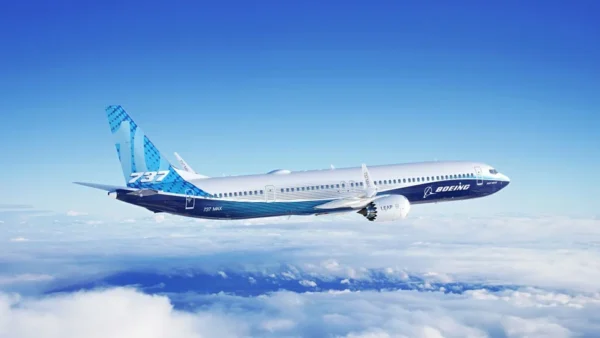
At the same time, official aviation industry assessments point to pressure across parts of the Middle East air corridor. IATA has warned that airspace disruption, higher fuel costs and longer routings are weighing on global airline operations in 2026. Its outlook also expects passenger numbers to reach 5.1 billion this year, showing that demand remains strong even as route planning becomes more complex.
This environment is encouraging travellers to choose destinations where the travel experience feels simpler and more predictable. Instead of relying heavily on complex transit chains, many tourists are favouring direct routes, stable regions, clear entry procedures and destinations with strong cultural value.
Vietnam Gains From Culture, Value and Connectivity
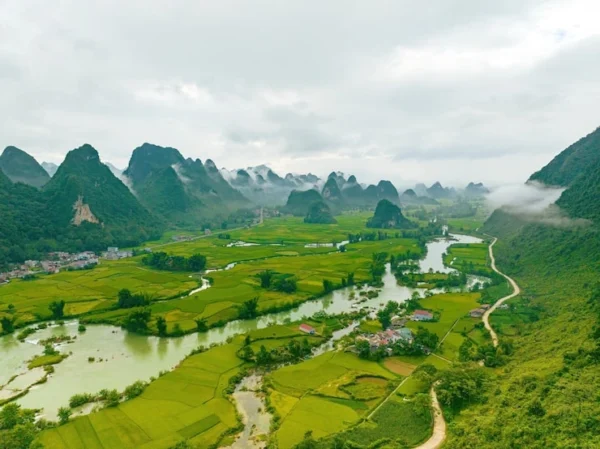
Vietnam’s appeal is built around a powerful mix of affordability, heritage, cuisine, natural landscapes and fast-improving tourism infrastructure. Hanoi, Ho Chi Minh City, Ha Long Bay, Hoi An, Da Nang and Phu Quoc are increasingly visible in international travel planning because they offer varied experiences within one country.
For leisure travellers, Vietnam delivers beaches, street food, luxury resorts, river journeys, heritage towns and mountain escapes. For cultural tourists, the country offers deep historical identity, UNESCO-recognised sites and strong local storytelling. For airlines and tour operators, rising demand supports route expansion, group travel, long-stay itineraries and stronger regional packaging.
Hotels, restaurants, attractions, domestic transport providers and local businesses are direct beneficiaries. Higher arrivals support employment, visitor spending and investment in hospitality services across major cities and emerging destinations.
Thailand, Japan and Singapore Strengthen Asia’s Appeal
Vietnam’s momentum is part of a larger Asia-Pacific tourism surge. Thailand continues to promote itself through the Tourism Authority of Thailand’s official destination platform, with beaches, temples, food, wellness, shopping and festivals remaining core visitor magnets. Its ability to combine affordability, hospitality and varied experiences keeps the country central to regional tourism.
Japan is also maintaining strong inbound demand. Japan National Tourism Organization data showed South Korea, Taiwan and the United States among leading visitor markets in March 2026, reinforcing Japan’s status as one of the world’s most desired cultural destinations. Tokyo, Kyoto, Osaka and Hokkaido continue to attract travellers seeking tradition, food, design, rail travel and seasonal experiences.
Singapore remains a premium urban tourism and aviation hub. The Singapore Tourism Board publishes official visitor, hotel and tourism receipts statistics, while the city-state continues to position itself around quality growth, safety, events, luxury hospitality and seamless connectivity.
Spain, Australia, India and Germany Add Long-Haul Strength
Beyond Asia, Spain is benefiting from continued European travel strength. Official Spanish statistics show the country received 9.1 million international tourists in April 2026, up 5.2% year-on-year, with more than 26.5 million visitors in the first four months. This confirms Spain’s position as a major tourism engine driven by city breaks, culture, beaches, gastronomy and cruise travel.
Australia remains a high-value long-haul destination supported by nature, coastal lifestyle, wildlife, major cities and reef tourism. Tourism Research Australia provides official international visitor and domestic tourism data, helping the sector track recovery, spending and aviation connectivity.
India is also strengthening its tourism profile through heritage, wellness, spirituality and cultural circuits. The Ministry of Tourism publishes official foreign tourist arrival and foreign exchange earnings data, supporting the country’s growing focus on inbound tourism, digital visa systems and multi-region travel experiences.
Germany continues to stand out as a stable European anchor, with strong infrastructure, cultural cities, business travel and efficient transport. Official German tourism information highlights the country’s role as a major destination for culture, nature and urban travel.
Middle East Remains Important but Faces Pressure
The UAE, Qatar, Oman, Saudi Arabia, Jordan and Kuwait remain important global travel and aviation markets with strong airports, premium hotels and major tourism ambitions. However, some traveller segments are becoming more cautious when regional instability, rerouting, airspace closures or airline schedule changes affect confidence.
This is not a collapse of Middle East tourism. It is a redistribution of demand. Travellers are comparing risk, routing, cost and experience more carefully before booking.
For Vietnam and other stable destinations, the opportunity is clear. In 2026, tourism growth is increasingly flowing toward places that combine safety perception, cultural richness, value and reliable access. Vietnam now sits at the centre of that global shift, positioned as one of Asia’s most compelling destinations for travellers seeking confidence and experience in the same journey.
For more travel news like this, keep reading Global Travel Wire