Romania’s varied landscapes are changing how travellers choose vehicles for long-distance journeys across the country.
A single road trip can include motorway driving, historic towns, rural villages, mountain passes and remote natural attractions. Therefore, the most suitable vehicle is not always the largest or most powerful model.
Comfort, fuel efficiency, safety technology, luggage capacity and adaptability matter more when journeys cross several regions.
Compact hybrid SUVs currently offer the strongest all-round balance for many visitors. Estate cars remain highly practical for motorway-focused trips, while all-wheel-drive vehicles provide added confidence for mountain journeys and difficult seasonal conditions.
The ideal vehicle ultimately depends on the route, weather, passenger numbers and planned destinations.
Romania creates varied driving conditions
Romania offers one of Europe’s most diverse road-travel experiences.
Visitors can travel between Bucharest, Brașov, Sibiu, Cluj-Napoca, Timișoara and Constanța before continuing towards the Carpathian Mountains, Transylvania, Maramureș, Bucovina or the Black Sea coast.
Major roads and motorway sections support comfortable long-distance driving. However, many cultural villages, castles, hiking areas and scenic attractions require travel on national or regional roads.
Drivers may encounter changing elevations, narrow sections, sharp bends and variable road surfaces during one itinerary.
Seasonal weather can also influence travel conditions. Snow, ice, heavy rain and reduced visibility may affect mountain routes and rural areas, particularly outside the summer season.
This makes versatility an important part of vehicle selection.
Compact hybrid SUVs offer the best balance
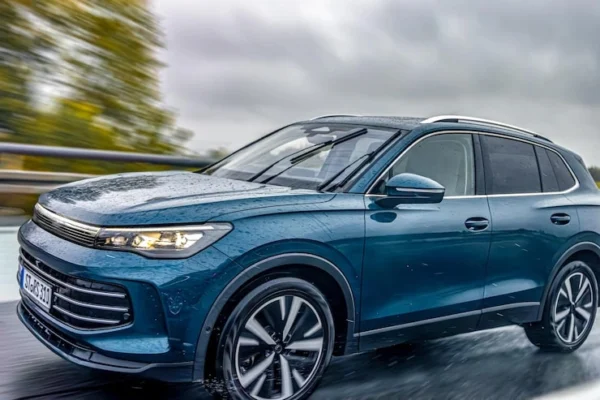
Compact hybrid SUVs are increasingly attractive for Romanian road trips because they combine practicality with improved efficiency.
Their raised seating position provides better visibility on unfamiliar roads. Additional ground clearance can also help when travellers leave main highways for rural accommodation, natural attractions or countryside villages.
Hybrid power systems are useful for mixed journeys involving urban traffic, motorway cruising and slower regional roads.
These vehicles also provide enough luggage space for families or couples travelling across several destinations.
Unlike very large SUVs, compact models are easier to park and navigate through historic city centres. This matters in places where streets and parking spaces may be limited.
For visitors planning a nationwide itinerary, a compact hybrid SUV is often the most adaptable option.
Estate cars deliver efficiency and space
Estate cars remain among the smartest choices for travellers who expect to spend most of their journey on paved roads.
They offer generous luggage capacity, stable motorway performance and comfortable passenger seating. Their lower profile may also support better fuel efficiency than larger SUVs.
An estate car can work well for routes between Bucharest and Transylvania, Normandy-style regional touring in western Romania, or journeys towards the Black Sea coast.
Couples, business travellers and families carrying several bags may find this category particularly practical.
However, estate cars generally provide less ground clearance than SUVs. Travellers planning frequent visits to remote mountain or rural destinations should consider the road conditions before choosing one.
AWD supports mountain journeys
Romania’s Carpathian Mountains create different driving demands.
Travellers heading towards winter resorts, high-altitude villages or remote scenic routes may benefit from an all-wheel-drive vehicle.
AWD systems can improve traction when road grip becomes limited by snow, rain or steep gradients. They can also provide greater confidence on uneven surfaces.
However, AWD technology does not replace careful preparation.
Suitable seasonal tyres, reduced speeds and attention to weather conditions remain essential. A powerful vehicle cannot compensate for unsuitable tyres or risky driving.
For winter travel, vehicle preparation should be treated as seriously as the choice of vehicle itself.
Sedans improve motorway comfort
Midsize and premium sedans provide a quieter and smoother experience on long motorway journeys.
Their stable handling, supportive seating and reduced cabin noise can help limit fatigue during extended drives.
They are particularly suitable for journeys between major cities or routes using national roads and motorways.
Hybrid sedans add fuel efficiency to this comfort-focused formula. They can suit travellers who prioritise relaxed driving and do not plan to visit rough rural areas.
Their main limitation is lower ride height, which reduces flexibility on uneven roads or remote mountain routes.
Modern safety features matter
Safety technology should be a major consideration for long-distance travel in Romania.
Automatic emergency braking, lane assistance, adaptive cruise control and blind-spot monitoring can support drivers during long journeys.
These systems are especially useful when traffic conditions change quickly or fatigue begins affecting concentration.
Good visibility, dependable brakes and electronic stability control are also important on winding mountain roads.
Travellers renting a vehicle should ask which assistance features are included rather than assuming every model has the same equipment.
Large vehicles may create challenges
Very large SUVs provide space and comfort but are not always practical.
They consume more fuel, require larger parking spaces and can be difficult to manoeuvre in historic districts.
Small hatchbacks offer the opposite advantages. They are economical and easy to park but may lack luggage space and motorway comfort during multi-day journeys.
Sports cars can make scenic driving enjoyable, but low ground clearance and limited storage reduce their usefulness for nationwide travel.
For most visitors, a balanced midsize vehicle delivers better results than either extreme.
Road travel supports regional tourism
Driving allows travellers to combine Romania’s major cities with smaller destinations that are harder to reach through a single public transport journey.
A well-planned route can include Bucharest, Brașov, Transylvanian castles, Sibiu, Maramureș villages and the Danube Delta.
This flexibility spreads visitor spending across hotels, restaurants, attractions and local businesses.
As road infrastructure improves, longer itineraries may become easier and more appealing.
Compact hybrid SUVs remain the strongest overall option, while estate cars lead on value and motorway efficiency. AWD vehicles suit mountain travel, and hybrid sedans deliver superior highway comfort.
Choosing the vehicle around the route will help travellers experience Romania more safely, comfortably and efficiently.
For more travel news like this, keep reading Global Travel Wire