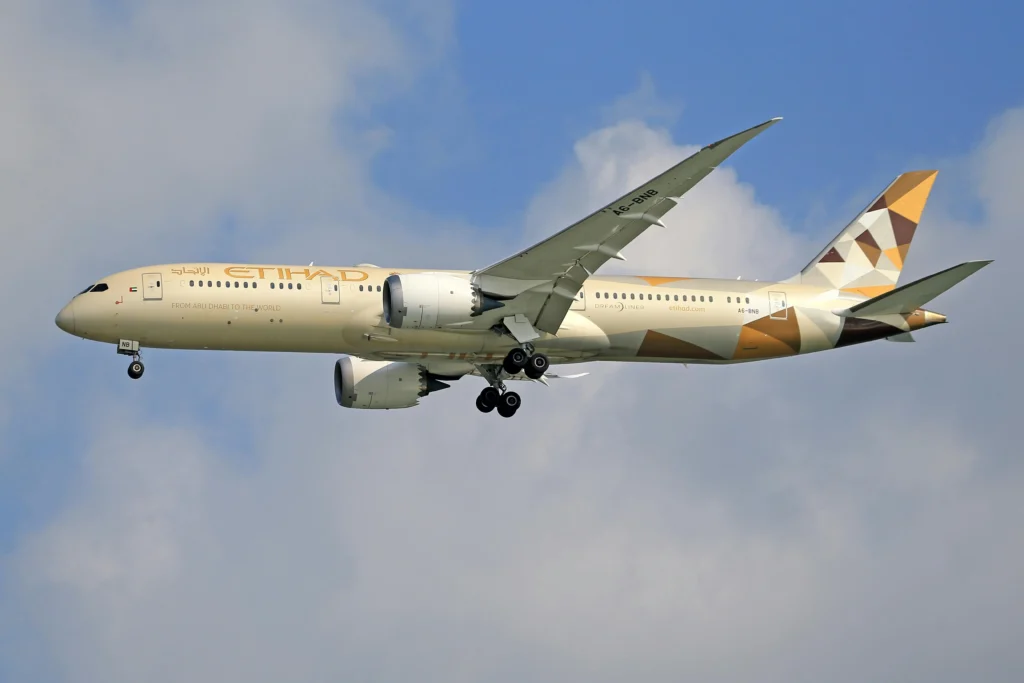
A massive wave of international travel is projected for the upcoming summer season as Etihad Airways rolls out a highly competitive long-haul transit structure connecting major European cities to Japan. In an effort to capture a larger share of the rebounding continental market, the national carrier of the United Arab Emirates has adjusted seasonal economy pricing, offering comprehensive round-trip fares starting from €553.
The strategy arrives as data from international tourism boards highlights a historic high in traveler demand for East Asian cultural hubs. By positioning the Japanese capital within an accessible mid-market price point, the airline is effectively opening up long-haul routes that have traditionally been considered premium, highly expensive holiday options for European families and solo adventurers alike.
Streamlining the Long-Haul Journey via Abu Dhabi
According to official fleet operations updates, these specialized summer fares capitalize on optimized transit windows through the carrier’s primary hub at Zayed International Airport in Abu Dhabi. Rather than operating purely point-to-point services, which face significant capacity constraints on European-Asian vectors, the structured connection model enables flexible scheduling across the continent.
Aviation statistical reports show that this hub-and-spoke transit system keeps operating aircraft load factors balanced, directly translating into lower entry-level prices for end consumers. Passengers originating from diverse western and central European aviation gateways can align their itineraries with daily connecting flights bound for Tokyo Narita International Airport, ensuring total journey continuity.
Multi-City Departures Expand Continental Accessibility
A key component highlighted in the carrier’s network planning metrics is the broad geographic spread of the discounted departure points. Unlike standard promotional campaigns limited to singular major hubs, these economy structures are actively applicable across multiple nations simultaneously.
Verified flight availability lists key continental connection points including major travel hubs in Germany, France, Spain, Ireland, Italy, and Switzerland. Specifically, passengers can secure these competitive itineraries from major airports such as Frankfurt, Paris Charles de Gaulle, Madrid, Dublin, Milan, and Geneva.
This extensive regional coverage completely eliminates the need for expensive domestic connecting flights or prolonged cross-border train journeys for passengers living outside of a single primary European metropolis, heavily compounding the net savings of the flight offer.
What is Included in the Seasonal Economy Structure
Under the official ticketing guidelines released for this seasonal window, the baseline economy fare offers a comprehensive full-service product designed to compete with low-cost carriers that often charge extra for standard international necessities.
The standard ticket architecture provides passengers with complimentary, destination-inspired inflight hot meals and a full range of non-alcoholic and alcoholic beverages. Travelers also receive individual seat-back entertainment access featuring multilingual options, alongside standard cabin amenities.
Aviation authorities note that weight-based check-in rules apply depending on the specific booking sub-class selected, and passengers are advised to verify exact baggage allowances via official electronic channels prior to checking in at their respective European terminals.
Maximizing the Summer Season in Japan
According to official statistics from the Japan National Tourism Organization, the summer season provides specific operational advantages for incoming international holidaymakers. Extended daylight hours allow for highly optimized sightseeing itineraries, and the season coincides with an array of deeply rooted traditional festivals, street processions, and fireworks displays across the metropolis.
For European visitors who utilize these discounted foundational transit rates, the reduction in airfare expenses frees up significant portions of their travel capital. This financial flexibility allows for longer stays, upgraded local lodging options, or deeper exploration of regional eco-tourism hubs, historical districts, and culinary tours outside the main urban core.
Crucial Booking Guidelines and Inventory Management
While the entry price point of €553 remains highly attractive for budget-conscious planners, transport ministries emphasize that promotional inventory remains strictly subject to seats available within specific seasonal booking codes. As summer represents peak global vacation months, demand on the Europe-to-Asia corridor is expected to deplete lower-tier fare categories rapidly.
Official travel advisories suggest maintaining flexibility with exact departure and return dates to secure the best rates, as shifting an itinerary by just two to three days can open up vastly different pricing tiers. Furthermore, transportation officials strongly recommend executing all reservations directly through the airline’s official digital portal to guarantee absolute fare transparency, avoid unauthorized handling fees, and maintain direct control over ticket modifications.
Navigating the Official Entry Protocols
Before securing their summer journeys, travelers must ensure full compliance with the entry criteria set forth by the Japanese government. Currently, passport holders from the vast majority of European nations, including member states of the European Union, the United Kingdom, and Switzerland, benefit from reciprocal visa-waiver agreements.
These official bilateral arrangements permit eligible travelers to enter the country for short-term tourism, leisure, or family visits for up to 90 days without the need to undergo a formal consulate visa application process. Travelers must simply present a machine-readable passport with an appropriate remaining validity period upon arrival at the immigration boundary checks.
For more travel news like this, keep reading Global Travel Wire