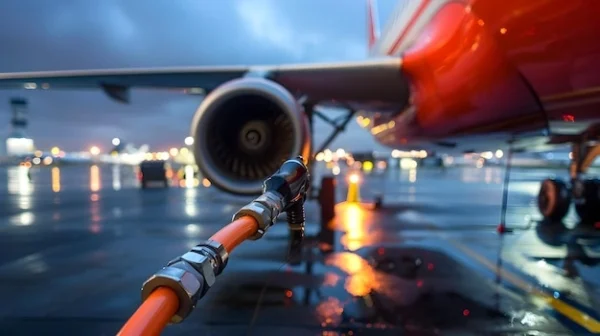
The Caribbean is facing a deepening travel and tourism crisis as Aruba joins Puerto Rico, Bahamas, Jamaica, Cuba, Barbados, Colombia, Trinidad and Tobago, and several other destinations struggling with severe fuel and energy pressures that are disrupting flights, increasing travel costs, and threatening regional tourism recovery during the critical summer season. Soaring fuel prices, strained energy supplies, and operational instability are now creating widespread uncertainty across one of the world’s most tourism-dependent regions.
Airlines, hotels, transportation providers, and local businesses throughout the Caribbean are being squeezed by rising operational costs linked to volatile global energy markets and disrupted fuel supply chains. The mounting crisis is already impacting airfares, airport operations, electricity systems, and traveler confidence across several major island economies.
Industry analysts warn that prolonged fuel instability could significantly weaken tourism demand during one of the region’s busiest travel periods while placing additional economic pressure on destinations heavily dependent on international visitors.
Aruba Faces Rising Tourism Pressure Amid Fuel Challenges
Aruba, one of the Caribbean’s most popular vacation destinations, is now confronting mounting operational pressure due to rising energy costs and fuel supply instability.
The island relies heavily on imported petroleum for electricity generation, transportation, and aviation operations, leaving it particularly vulnerable to fluctuations in global fuel markets. Recent increases in jet fuel prices have sharply raised airline operating expenses, contributing to higher airfare costs and growing concerns about potential flight disruptions.
Tourism accounts for a substantial share of Aruba’s economy, and any decline in visitor arrivals could quickly affect hotels, restaurants, transportation providers, and local employment.
Travel businesses on the island are already reporting increasing operational strain as energy expenses continue climbing. Visitors are also facing higher accommodation prices, transportation surcharges, and elevated travel package costs.
Puerto Rico Battles Rising Fuel Costs and Airline Pressure
Puerto Rico is also feeling the impact of the broader Caribbean energy crisis despite not experiencing a direct fuel shortage.
The territory has seen major increases in gasoline, diesel, and aviation fuel prices, driven partly by global geopolitical tensions and instability affecting international energy supply routes. Rising fuel expenses have forced airlines to reassess operational costs on routes serving the island.
Several carriers have already reduced frequencies or adjusted route schedules as higher fuel prices continue affecting profitability across Caribbean operations.
Puerto Rico’s energy infrastructure remains heavily dependent on fossil fuels, and increasing electricity generation costs are adding further financial strain to residents, businesses, and tourism operators.
The result has been rising airfare prices and growing concern that travelers may increasingly choose lower-cost destinations outside the Caribbean.
Bahamas and Jamaica Confront Tourism Cost Inflation
The Bahamas and Jamaica, two of the Caribbean’s largest tourism economies, are also struggling with rising transportation and energy costs linked to the fuel crisis.
Both destinations rely heavily on imported fuel to support electricity generation, aviation activity, and tourism infrastructure. As costs continue rising, airlines and hospitality businesses are being forced to pass additional expenses onto consumers.
The Bahamas has already implemented emergency measures aimed at reducing pressure on residents and travelers, including fuel subsidies and alternative energy initiatives designed to reduce long-term dependence on imported petroleum.
Jamaica, meanwhile, is experiencing significant pressure across its transportation and energy sectors as rising global oil prices increase electricity costs and operational expenses throughout the tourism industry.
Higher airfares and elevated hotel operating costs are making Caribbean vacations increasingly expensive for international visitors, particularly during peak summer travel months.
Cuba Faces Severe Energy Shortages
Cuba remains one of the hardest-hit destinations in the region due to its longstanding energy vulnerabilities and restricted access to international fuel markets.
The country continues experiencing rolling blackouts and major electricity shortages that are disrupting daily life, tourism operations, and transportation systems across the island.
Tourism remains a critical source of revenue for Cuba, but ongoing energy instability is making it increasingly difficult for hotels, restaurants, airports, and tourism providers to maintain consistent operations.
Travel disruptions and infrastructure challenges are also affecting visitor confidence, with some travelers reconsidering trips to destinations experiencing unstable power conditions.
Barbados, Colombia and Trinidad Feel Economic Impact
Barbados, Colombia, and Trinidad and Tobago are also facing rising energy-related financial pressure despite differing economic structures and energy profiles.
Barbados continues dealing with higher electricity and transportation costs because of its dependence on imported oil. Tourism operators across the island are being forced to raise prices while managing increasing operational expenses.
Colombia, although not an island nation, is seeing significant fuel price increases affecting transportation and tourism services along its Caribbean coastal regions.
Even Trinidad and Tobago, one of the Caribbean’s leading energy producers, is not immune from global fuel market volatility. Rising domestic energy costs are increasing pressure on households, businesses, and tourism-related sectors despite the country’s strong natural gas and oil production base.
Airlines and Airports Face Operational Strain
The fuel crisis is also creating mounting challenges for airlines serving Caribbean destinations.
Higher jet fuel costs are significantly affecting airline profitability, particularly on long-haul and regional leisure routes where pricing competition remains intense. Some carriers are responding by reducing frequencies, adjusting aircraft deployment, or introducing fare increases.
Regional airports and tourism authorities are monitoring the situation closely as operational costs continue rising throughout aviation networks connected to the Caribbean.
Travel advisors say passengers should prepare for possible:
- Higher airfare prices
- Schedule adjustments
- Reduced flight frequencies
- Increased hotel rates
- Transportation surcharges
- Potential operational disruptions
Caribbean Tourism Industry Faces Uncertain Summer Outlook
The Caribbean’s tourism industry now faces one of its most challenging operating environments in recent years as rising fuel costs collide with global economic uncertainty and shifting traveler spending patterns.
Tourism-dependent economies across the region are increasingly exploring renewable energy initiatives, fuel diversification strategies, and regional cooperation efforts aimed at reducing long-term energy vulnerability.
However, industry experts caution that meaningful transformation will require major infrastructure investment and coordinated international support.
For travelers, the unfolding energy crisis serves as a reminder of how deeply interconnected global tourism has become with international energy markets and geopolitical developments.
As Aruba, Puerto Rico, Bahamas, Jamaica, Cuba, Barbados, Colombia, Trinidad and Tobago, and other destinations continue navigating the fuel crisis, the Caribbean travel industry faces a turbulent period that could reshape regional tourism operations for months to come.
For more travel news like this, keep reading Global Travel Wire