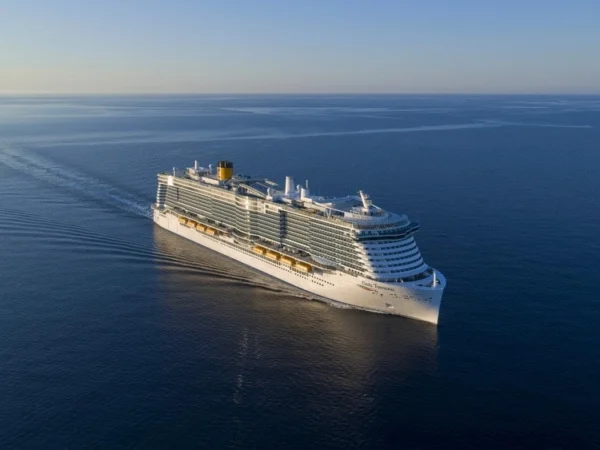
Costa Cruises is accelerating Mediterranean tourism growth for 2027 with the launch of a new seven-night Costa Fascinosa itinerary connecting major destinations across Italy and France. The expanded cruise program reflects the growing strategic importance of experiential maritime tourism in driving regional economies, strengthening hospitality sectors, and increasing visitor demand across Mediterranean coastal destinations.
The new itinerary will feature stops in La Spezia, Civitavecchia, Salerno, Messina, Toulon, and Genoa/Savona, linking some of Southern Europe’s most important cruise gateways. Costa Fascinosa, which accommodates more than 3,000 passengers, will also offer embarkation options from Civitavecchia, Toulon, Genoa, and Savona, creating greater flexibility for international travelers exploring the Mediterranean cruise market.
Experiential Cruise Tourism Becomes Major Industry Driver
Costa Cruises is increasingly focusing on immersive destination-led experiences designed to attract high-value leisure travelers seeking more than traditional cruise itineraries. Through its “Sea Destinations” program, Costa Fascinosa will introduce curated onboard and offshore experiences tied closely to Mediterranean culture, landscapes, and coastal heritage.
Passengers will have opportunities to participate in stargazing experiences in the Ligurian Sea, sunset celebrations near Capri’s Faraglioni Island, and evening aperitivo events anchored near Stromboli Volcano in the Aeolian Islands.
Cruise industry analysts say these types of experiential offerings are becoming central to modern cruise tourism strategy as travelers increasingly prioritize unique and emotionally engaging travel experiences over conventional sightseeing itineraries.
Mediterranean Ports Prepare for Increased Tourism Demand
The expanded Costa Fascinosa operations are expected to generate increased passenger flows across several Mediterranean ports, creating direct economic benefits for local tourism businesses, hotels, restaurants, transport providers, and shore excursion operators.
Ports including Civitavecchia near Rome, Toulon in France, and the northern Italian gateways of Genoa and Savona are anticipated to experience stronger tourism activity tied to embarkation operations and cruise-related visitor spending.
Industry stakeholders note that cruise tourism creates a significant multiplier effect for regional economies by supporting not only port operations but also broader hospitality and retail sectors connected to international visitor arrivals.
Costa Fascinosa Expands Seasonal Mediterranean Operations
Costa Fascinosa’s new Western Mediterranean itinerary will operate from early April through late May 2027, including a special eight-night sailing featuring Ajaccio in Corsica during mid-May.
Beginning in June, the vessel will transition into an expanded summer program covering Spain, France, and Italy with calls to major leisure destinations including Ibiza, Valencia, Palma de Mallorca, Marseille, Toulon, Olbia, and Savona.
The expansion highlights rising demand for mid-length Mediterranean cruises as travelers continue favoring flexible itineraries that combine luxury, convenience, and multi-country exploration within shorter travel periods. Cruise analysts also note that extended seasonal deployments help stabilize tourism flows beyond traditional peak summer periods.
Costa Cruises Strengthens Mediterranean Fleet Strategy
Costa Cruises’ broader 2027 Mediterranean deployment will also include Costa Smeralda, Costa Toscana, Costa Serena, Costa Deliziosa, and Costa Pacifica operating across both Western and Eastern Mediterranean routes.
While Costa Smeralda and Costa Toscana will focus primarily on Western Mediterranean itineraries, the remaining ships will expand operations into Greece, Malta, Sicily, and additional Eastern Mediterranean destinations.
The return of Costa Serena after a decade-long absence is being viewed as a notable sign of continued recovery and growth within the European cruise sector following several years of operational restructuring and market adjustment across global cruise tourism.
Cruise Tourism Continues Supporting Regional Economic Growth
Mediterranean cruise expansion continues driving infrastructure investment across many European port cities as local governments and tourism authorities seek to accommodate rising passenger numbers and larger vessels.
Port upgrades, terminal modernization projects, transportation improvements, and hospitality development are increasingly tied to long-term cruise tourism growth strategies across Southern Europe.
Tourism economists emphasize that cruise passengers contribute substantial spending across accommodation, dining, shopping, entertainment, and excursion sectors while also generating employment opportunities connected to maritime logistics and tourism services.
Luxury and Experience-Led Travel Shape Future Cruise Demand
Costa Cruises’ emphasis on curated experiences reflects a broader industry transition toward luxury and experience-based tourism models where cruise lines compete through differentiated itineraries, exclusive onboard programming, and destination immersion.
Travel analysts believe sunset receptions, volcanic sightseeing events, and stargazing experiences help create stronger emotional connections between travelers and destinations while increasing the overall value perception of cruise holidays.
The strategy also aligns with growing global demand for slower, more immersive travel styles that prioritize local culture, scenery, and memorable shared experiences rather than purely transportation-focused itineraries.
Mediterranean Cruise Industry Positioned for Continued Expansion
The 2027 Costa Fascinosa deployment highlights the Mediterranean’s continuing importance as one of the world’s most resilient and dynamic cruise tourism regions. Cruise operators are increasingly using larger fleets, diversified itineraries, and destination partnerships to stimulate sustained tourism growth while attracting new traveler demographics.
Industry experts expect Mediterranean cruise tourism to remain a major economic engine for Southern Europe over the coming years as international demand for leisure travel, luxury experiences, and multi-destination holidays continues strengthening globally.
With expanded routes, immersive experiences, and strategic fleet deployment, Costa Cruises is positioning itself at the center of the Mediterranean’s next phase of cruise tourism growth while reinforcing the region’s status as a premier global maritime travel destination.
For more travel news like this, keep reading Global Travel Wire