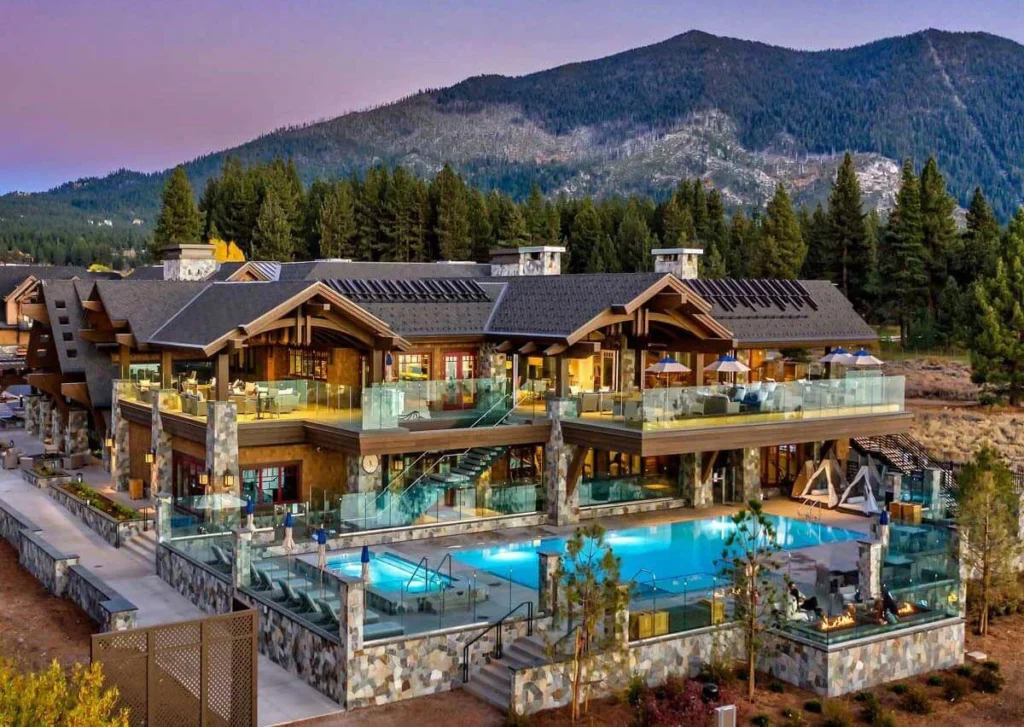
Germany is strengthening Europe’s rapidly growing luxury golf tourism market by joining established golf destinations including the United Kingdom, Italy, Scotland, Switzerland, France, Spain, Portugal, and Ireland in attracting affluent international travelers seeking world-class golf experiences combined with premium hospitality and cultural exploration.
The expansion reflects a wider transformation taking place across Europe’s tourism sector, where luxury golf travel is evolving beyond traditional sporting holidays into high-end lifestyle experiences that combine championship courses, five-star accommodations, gastronomy, wellness, and regional culture.
As golf tourism continues gaining momentum globally, destinations across Europe are increasingly positioning themselves as year-round luxury travel hubs capable of attracting international visitors through exclusive resorts, scenic landscapes, and historic golfing heritage.
Germany’s growing role in this market signals a broader diversification of Europe’s golf tourism landscape beyond traditional powerhouses such as Scotland and Spain.
Germany Strengthens Its Position in Europe’s Premium Golf Travel Market
Germany has emerged as one of Europe’s fastest-growing luxury golf tourism destinations thanks to its modern infrastructure, scenic countryside, upscale hospitality sector, and expanding collection of championship golf courses.
The country’s golf tourism appeal is particularly strong around Munich and the southern Bavarian region, where travelers can combine golf experiences with luxury wellness resorts, alpine landscapes, fine dining, and cultural attractions.
Among Germany’s standout golf destinations is Golf Club St. Leon-Rot in Baden-Württemberg, internationally recognized for hosting major tournaments including the Solheim Cup.
Munich Golf Club and Golfpark Gut Häusern are also increasingly attracting international golfers looking for premium European golf experiences in peaceful natural settings close to major urban centers.
Luxury hotels and spa resorts throughout Germany are further strengthening the country’s position within Europe’s high-end golf tourism market by offering integrated golf, wellness, gastronomy, and leisure packages.
Tourism analysts believe Germany’s entry into the luxury golf segment reflects growing international demand for alternative golf destinations beyond Europe’s more traditional coastal resorts.
Scotland and the United Kingdom Continue Leading Historic Golf Tourism
The United Kingdom remains central to global golf tourism due to its historic role as the birthplace of the sport.
Scotland continues attracting golf enthusiasts from around the world through iconic destinations such as St Andrews, widely regarded as the “Home of Golf,” alongside legendary courses including Muirfield and Royal Aberdeen Golf Club.
England’s prestigious golf clubs, including Royal Liverpool, further reinforce the UK’s reputation as one of the world’s leading luxury golf tourism markets.
Many travelers combine golfing itineraries with luxury countryside estates, castle hotels, whisky tourism, and cultural sightseeing experiences throughout Britain.
The combination of sporting heritage and premium hospitality continues making the UK one of Europe’s most influential golf travel destinations.
Italy Combines Mediterranean Lifestyle with Luxury Golf Experiences
Italy is increasingly becoming one of Europe’s most desirable luxury golf destinations by combining championship courses with Mediterranean scenery, gastronomy, art, and coastal tourism.
Regions such as Tuscany, Sicily, Lombardy, Venice, and Puglia continue attracting travelers seeking culturally immersive golf holidays paired with luxury accommodations and culinary experiences.
Verdura Resort in Sicily has become particularly popular among international golfers due to its award-winning coastal courses overlooking the Mediterranean Sea.
Golf Club Milano and the Golf Club of Venice also remain key attractions for affluent travelers seeking historic settings, scenic fairways, and sophisticated hospitality experiences.
Italy’s golf tourism growth aligns with wider luxury travel trends where visitors increasingly seek multi-experience itineraries blending sport, relaxation, food, and culture.
France and Switzerland Elevate High-End Golf Tourism
France remains one of Europe’s premier luxury golf tourism destinations thanks to its combination of championship courses, luxury resorts, gastronomy, and cultural prestige.
Le Golf National near Paris continues attracting international attention following major tournament exposure, while Golf de Chantilly and Golf d’Hardelot remain popular among travelers seeking elegant countryside golf experiences.
Swiss golf tourism is also gaining international recognition due to its dramatic alpine scenery and exclusive mountain resorts.
Crans-sur-Sierre Golf Club, located in the Swiss Alps, remains one of Europe’s most visually stunning golf destinations and regularly hosts major professional tournaments.
Switzerland’s luxury tourism infrastructure, including wellness resorts, spas, gourmet dining, and alpine hospitality, strengthens its appeal among affluent travelers looking for premium golf escapes.
Spain and Portugal Continue Dominating Coastal Golf Tourism
Spain remains one of Europe’s strongest golf tourism markets due to its warm climate, Mediterranean coastline, and internationally recognized golf resorts.
Destinations such as Valderrama Golf Club in Andalusia and PGA Catalunya near Barcelona continue drawing global visitors seeking year-round golf holidays combined with beach tourism and luxury hospitality.
Portugal’s Algarve region also continues expanding its reputation as one of Europe’s top coastal golf destinations, benefiting from sunny weather, oceanfront resorts, and championship-level courses.
The Iberian Peninsula remains especially attractive for long-stay golf travelers, retirees, and international visitors seeking luxury leisure experiences in warmer climates.
Puglia Emerges as Italy’s Rising Luxury Golf Destination
Puglia, located in southern Italy, is rapidly gaining recognition as one of Europe’s emerging luxury golf destinations.
The region combines Adriatic coastal scenery, historic villages, luxury resorts, and authentic Italian culture with increasingly sophisticated golf tourism offerings.
San Domenico Golf and Torre Maizza Golf Resort have become standout attractions for travelers looking to combine seaside golf with wellness, gastronomy, and boutique luxury experiences.
Tourism authorities and resort operators continue investing in the region’s golf infrastructure as Puglia attracts growing international interest from high-end travelers seeking less crowded alternatives to Europe’s traditional golf markets.
Europe’s Golf Tourism Industry Continues Evolving
Luxury golf tourism across Europe is increasingly driven by travelers seeking integrated lifestyle experiences rather than standalone sports holidays.
Modern golf travelers are prioritizing destinations offering cultural immersion, scenic beauty, fine dining, wellness amenities, and luxury accommodations alongside world-class courses.
Countries throughout Europe are therefore investing heavily in golf resorts, tourism infrastructure, and hospitality services designed to attract affluent international visitors.
Industry experts believe golf tourism will remain a major contributor to Europe’s luxury travel economy as demand grows for experience-driven tourism and premium outdoor leisure activities.
Europe Reinforces Its Position as the World’s Premier Golf Tourism Region
Germany’s emergence within Europe’s luxury golf tourism landscape highlights the continent’s continued dominance as a global golfing destination.
From Scotland’s historic fairways and Spain’s Mediterranean resorts to Germany’s modern golf retreats and Italy’s culturally rich courses, Europe offers one of the world’s most diverse and sophisticated golf tourism networks.
As travelers increasingly combine golf with wellness, gastronomy, luxury hospitality, and cultural exploration, Europe’s golf tourism sector is expected to continue expanding rapidly across both traditional and emerging destinations.
For more travel news like this, keep reading Global Travel Wire