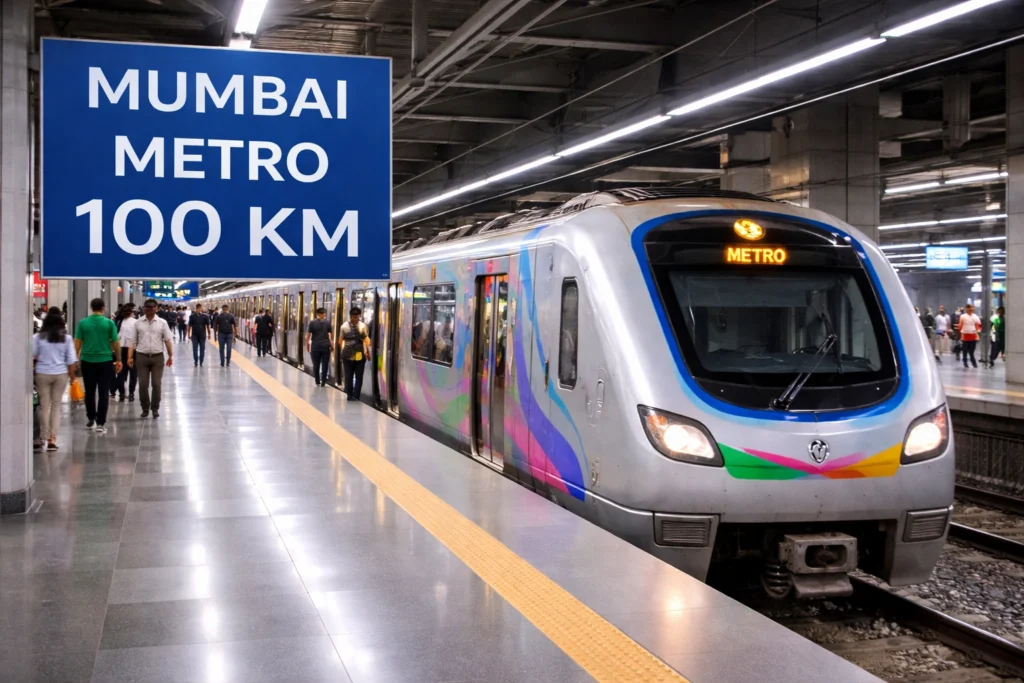
Mumbai has crossed a landmark moment in urban transport after its metro network officially surpassed 100 kilometers, a milestone that strengthens the city’s position as one of India’s most connected and forward-looking travel destinations. The expansion marks a major shift for residents, business travelers and tourists who have long faced heavy road congestion in the country’s financial capital.
For visitors, the growing metro system means faster access to major attractions, easier airport transfers and a more sustainable way to experience one of Asia’s most dynamic cities.
For Mumbai, it signals a new chapter in how global megacities balance growth, mobility and tourism appeal.
A New Era for Urban Travel in Mumbai
Mumbai’s roads are famous for their intensity, with traffic often shaping how travelers plan each day.
The metro changes that equation.
As the network expands across commercial districts, residential neighborhoods and visitor zones, travelers can move through the city with greater speed and predictability. Instead of relying only on taxis, private cars or buses, passengers now have a modern rail alternative that saves time and reduces stress.
That shift can dramatically improve the visitor experience.
In major cities, transport convenience often determines how much travelers explore and how long they stay out each day.
Better Access to Tourist Attractions
The growing metro system can connect visitors more efficiently with some of Mumbai’s best-known landmarks and districts.
Tourists heading to heritage zones, waterfront promenades, shopping streets and cultural neighborhoods can now plan journeys with more confidence. Easier connections between business hubs and leisure districts also support mixed-purpose travel, where visitors combine meetings with sightseeing.
Areas such as South Mumbai, Bandra and central commercial districts stand to benefit from stronger mobility links.
When attractions feel easier to reach, tourism demand often rises across multiple neighborhoods rather than concentrating in only a few areas.
Airport Connectivity Improves First Impressions
For international and domestic arrivals, airport access remains one of the most important parts of any city journey.
A stronger metro network can reduce transfer times between Mumbai’s airport and hotels, business centers or tourist zones. That creates a smoother first impression for travelers entering the city.
Reliable airport transit also matters for short-break visitors and business passengers with tight schedules.
In competitive tourism markets, efficient arrival experiences can shape repeat visits and destination reputation.
Relief for Daily Congestion
While the tourism impact is significant, the metro’s core value also lies in easing pressure on overloaded roads.
As more commuters choose rail, road traffic can gradually improve, creating wider benefits for taxis, buses, delivery networks and visitors traveling to places not directly served by metro lines.
Reduced congestion can make the city feel more accessible overall.
For tourism businesses, easier movement often translates into stronger restaurant demand, more event attendance and higher activity bookings because travelers can fit more into each day.
Sustainable Travel Gains Momentum
The Mumbai Metro 100 kilometers milestone also carries environmental importance.
Electric rail systems generally offer a cleaner alternative to many road-based journeys, especially in dense urban areas. As cities worldwide focus on lowering emissions, public transport investment has become central to sustainable growth.
For travelers increasingly conscious of their footprint, metro systems provide a practical low-emission way to explore.
That message matters for younger travelers, global city-break visitors and companies with sustainability targets for business travel.
Comfort and Reliability Matter
Modern metro systems offer benefits beyond speed.
Air-conditioned trains, predictable schedules and clearly defined stations create a travel experience many visitors prefer over uncertain road journeys. Solo travelers and first-time visitors often value the simplicity of navigating by rail.
Comfort also encourages more movement across the city. Travelers who avoid long road delays may add evening dining plans, extra attractions or spontaneous neighborhood visits.
That increased mobility can lift tourism spending across the urban economy.
A Stronger Global City Image
Transport infrastructure often shapes how international audiences view a city.
By crossing the 100-kilometer mark, Mumbai demonstrates progress, ambition and readiness for future growth. Large-scale mobility projects send a clear signal that the city is investing in livability and visitor experience.
That can strengthen Mumbai’s appeal for conferences, events, international business and leisure tourism alike.
In the global competition for talent and travel, perception matters.
More Growth Still Ahead
The current milestone is not the end of the story.
Further metro expansion is expected to bring additional districts, suburban areas and emerging business zones into the network. As coverage widens, more hotels, attractions and communities will gain direct access to rapid transit.
That continued growth can reshape travel patterns across the wider Mumbai metropolitan region.
Visitors may eventually explore beyond the traditional core with far greater ease.
Outlook
Mumbai Metro crossing 100 kilometers is more than a transport statistic. It is a turning point for how people experience one of the world’s great cities.
With faster journeys, cleaner mobility and better access to attractions, Mumbai is becoming easier to navigate and more appealing to global travelers.
For residents and visitors alike, the future of movement in Mumbai now looks faster, smarter and far more sustainable.
For more travel news like this, keep reading Global Travel Wire