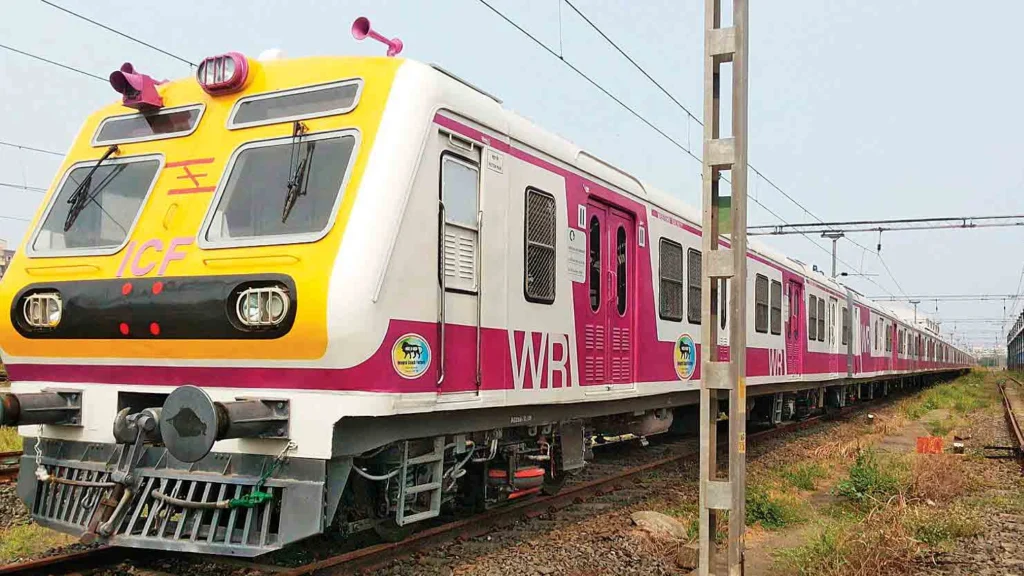
Mumbai has officially launched a major rail infrastructure upgrade with construction starting on new fifth and sixth railway lines designed to separate suburban trains from long-distance services. The long-awaited project aims to reduce congestion, improve punctuality, and transform daily travel for millions of commuters while making the city easier to navigate for tourists and business travelers.
The expansion marks a significant milestone for one of the world’s busiest urban rail systems. Mumbai’s suburban network carries more than 7.5 million passengers every day, yet shared tracks between local and intercity trains have long created delays, bottlenecks, and overcrowding. By introducing dedicated lines for different types of services, authorities are seeking to unlock more capacity and deliver smoother journeys across the metropolitan region.
For a city that depends heavily on rail mobility, the project could have far-reaching benefits for commuters, tourism, and the local economy.
Why the New Lines Matter
Mumbai’s suburban railways are the backbone of the city’s transport system. They connect residential districts, business hubs, educational centers, and commercial zones at scale and at relatively low cost. However, when suburban and long-distance trains compete for the same track space, even minor disruptions can cascade across the network.
The new fifth and sixth lines are intended to solve that structural challenge. Local trains will be able to operate more independently, reducing the delays caused by mixed traffic and improving the reliability of daily services.
For passengers, that means a network better equipped to handle rush-hour demand, tighter schedules, and future growth in ridership.
Faster and More Frequent Commuting
One of the clearest gains from track separation is expected to be increased train frequency. With fewer conflicts between suburban and long-distance operations, railway planners can schedule local services more efficiently and run additional trains when demand is highest.
That can significantly improve the experience for office workers, students, and essential staff who rely on precise travel times each day. Shorter waits on platforms, fewer service disruptions, and more predictable arrivals can make a major difference in a city where time lost in transit affects productivity and quality of life.
The benefits may be especially visible during peak periods, when trains are often crowded and stations operate under heavy pressure. Better capacity management could help spread passenger loads more evenly and reduce the stress associated with daily commuting.
Key Corridors and Stations Set to Benefit
The works focus on the Central and Western Railway corridors, two of Mumbai’s most important commuter arteries. Major hubs such as Dadar, Lokmanya Tilak, Borivali, and Andheri are among the locations expected to benefit from the added infrastructure. These stations serve some of the highest passenger volumes in the city and are critical interchange points for regional travel.
Busy stretches including Chhatrapati Shivaji Maharaj Terminus to Kurla and Churchgate toward northern suburbs are expected to gain from higher service capacity and more efficient train movement. As the city continues to expand outward, stronger rail corridors will be essential for connecting growing residential zones with employment centers.
Improved performance on these routes can also relieve pressure on roads by encouraging more travelers to choose rail over private vehicles.
Tourism and Visitor Mobility Get a Boost
Mumbai is one of India’s leading gateways for domestic and international tourism, drawing visitors for heritage, culture, entertainment, food, and business events. Efficient transport is central to how travelers experience the city, especially in a dense urban environment.
The rail expansion could make movement between hotels, transport hubs, and attractions more convenient. Popular sites such as the Gateway of India, Marine Drive, and Chhatrapati Shivaji Maharaj Terminus become easier to access when services are more reliable and less crowded.
Tourists arriving via airports or long-distance rail can also benefit from smoother onward connections into the suburban network. That can reduce transfer stress, shorten travel times, and improve overall satisfaction for visitors with limited time in the city.
For hospitality businesses, stronger mobility often supports wider visitor spending across neighborhoods, retail districts, and attractions.
Long-Term Urban Benefits
Beyond immediate commuter gains, the project forms part of a broader strategy to make Mumbai more livable and sustainable. Better public transport can reduce dependence on private vehicles, helping to ease traffic congestion and curb emissions over time.
The new lines are linked to the wider Mumbai Urban Transport Project, which focuses on modernizing infrastructure through station upgrades, new train sets, and signaling improvements. Together, these investments are designed to future-proof mobility in a city with rising population pressures and growing economic importance.
A stronger rail system can also enhance labor mobility by making it easier for workers to access jobs across the metropolitan region.
What Comes Next
With construction now underway, attention will turn to delivery timelines, phased progress, and the operational improvements that follow. While infrastructure projects of this scale take time, the start of work signals clear momentum toward a more efficient rail future.
For millions of Mumbai residents, the promise is straightforward: faster journeys, less crowding, and more dependable travel. For visitors, it means a city that is easier to explore. And for Mumbai itself, it marks another step toward a smarter and better connected urban transport network.
For more travel news like this, keep reading Global Travel Wire