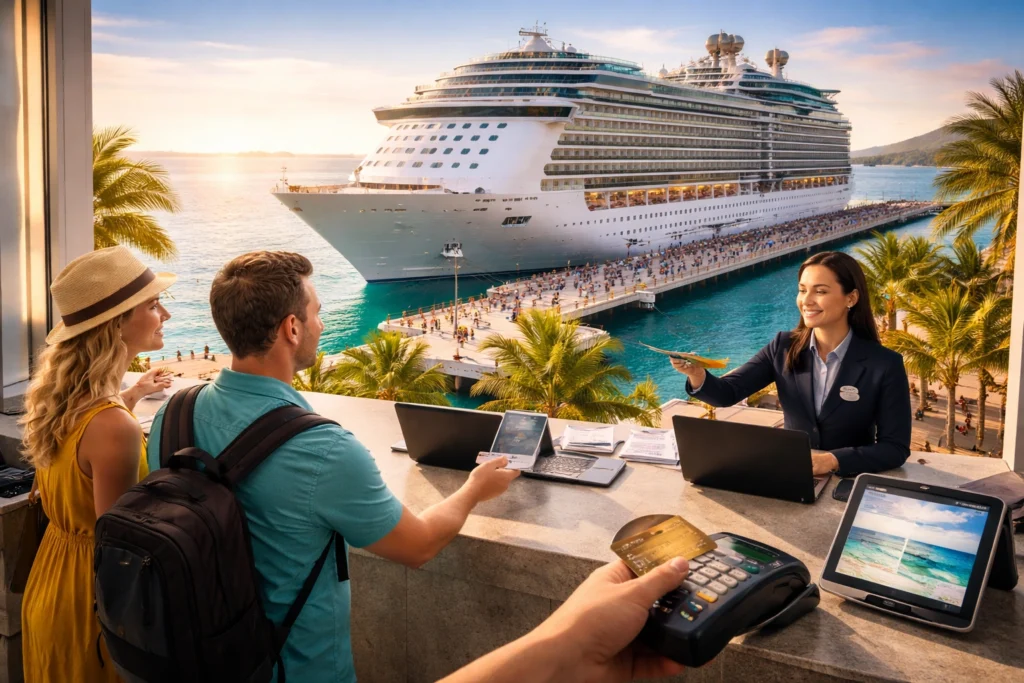
The United States cruise sector is preparing for a record year in 2026, with rising passenger demand, fuller ships, and expanding itineraries. Yet behind the scenes, cruise lines are confronting another fast-growing issue: chargeback fraud.
As bookings increase, operators and payment partners are taking stronger steps to reduce unauthorized disputes, prevent so-called friendly fraud, and create a smoother booking experience for genuine travelers. The effort could help protect revenues, improve customer service, and keep cruise travel more efficient as the industry enters a new growth phase.
For travelers, these changes may lead to safer transactions, clearer policies, and fewer booking headaches.
Why Cruise Bookings Attract Fraud Risks
Cruise holidays often involve high-value transactions made months in advance. Guests frequently book cabins, packages, flights, and excursions long before departure. That combination of large payments and long lead times can create vulnerabilities.
Fraudsters may use stolen card details to reserve cabins and attempt to resell trips before the real cardholder notices suspicious charges. When banks reverse the payment, the cruise line can lose revenue, pay dispute fees, and face unsold inventory close to sailing.
Because cruises often involve bundled products and multiple payment stages, confusion can also arise more easily than with simpler travel bookings.
As a result, the sector has become a growing focus for payment security efforts.
Friendly Fraud Creates Extra Pressure
Not every chargeback comes from criminal activity. Friendly fraud has also become a major challenge.
This happens when a legitimate customer disputes a valid payment through their bank instead of first contacting the cruise line or travel advisor. In some cases, travelers may misunderstand cancellation rules, onboard charges, or package terms. In others, guests may seek to avoid penalties by claiming a transaction was unauthorized.
For cruise operators, each case creates extra costs and administrative work. Even when the company provides clear evidence, the dispute process can be lengthy and expensive.
That pressure becomes more significant when ships sail full and demand remains strong.
Post-Pandemic Habits Still Affect the Industry
During the global travel disruption of recent years, many guests turned directly to banks for refunds after canceled sailings and delayed trips. Industry observers note that those habits have continued even as cruise operations returned to normal.
At the same time, digital bookings have expanded. More travelers now reserve cabins, excursions, dining packages, and upgrades through websites and mobile apps.
While digital convenience benefits customers, it also increases the importance of secure payment systems and transparent communication.
Therefore, the cruise industry enters 2026 with two priorities at once: support seamless growth and control rising dispute volumes.
What Travelers May Notice in 2026
Guests booking cruises in 2026 could see several changes designed to improve payment security and reduce misunderstandings.
Some cruise lines may introduce stronger identity verification during checkout, especially for higher-value bookings. Others may offer clearer explanations of cancellation deadlines, deposit rules, and refund timelines before payment confirmation.
Travelers might also notice more accurate billing names on card statements, making it easier to recognize charges quickly.
Although extra verification can add a small step during booking, it often reduces larger problems later. Clearer policies and better payment systems help honest travelers resolve issues faster and with less stress.
How Cruise Lines Are Responding
Cruise companies are using a mix of technology and operational changes to tackle the problem without harming the guest experience.
Advanced fraud screening tools can identify unusual transactions before tickets are issued. These systems review factors such as booking value, payment behavior, and customer details.
Many operators are also improving billing descriptors so card statements clearly match the cruise brand a traveler booked.
In addition, companies are strengthening documentation by recording acceptance of cancellation terms, refund policies, and service conditions during checkout.
Dedicated dispute teams are becoming more common as well. These specialists respond quickly to payment inquiries and help resolve cases before they escalate.
Together, these steps aim to protect both the business and the customer.
Why This Matters for Cruise Prices and Service
Fraud and unnecessary disputes can create hidden costs across the travel industry. When companies lose revenue or pay repeated chargeback fees, those costs can eventually affect pricing, operations, or service investment.
Reducing avoidable disputes allows cruise lines to focus more resources on onboard experiences, new itineraries, and guest enhancements.
For travelers, that means payment security is not only a back-office issue. It can influence the overall value and quality of future holidays.
Smart Tips for Travelers
Passengers can help avoid payment problems by taking a few simple steps.
Read fare conditions carefully before booking, especially promotional or non-refundable offers. Keep confirmation emails, receipts, and booking records in one place. Review card statements regularly and check unfamiliar charges quickly.
Most importantly, contact the cruise line or travel advisor first when an issue appears. Many concerns, from billing errors to itinerary changes, can often be resolved directly through refunds, credits, or customer support.
Using chargebacks as a final option rather than the first reaction usually leads to faster and fairer outcomes.
A Stronger Future for Cruise Travel
The United States cruise market expects strong momentum in 2026, with more passengers choosing ocean holidays for convenience, entertainment, and value.
To sustain that growth, payment systems must remain secure and traveler-friendly.
As cruise lines invest in smarter controls and clearer communication, guests can look forward to safer bookings and smoother sailing from reservation to embarkation.