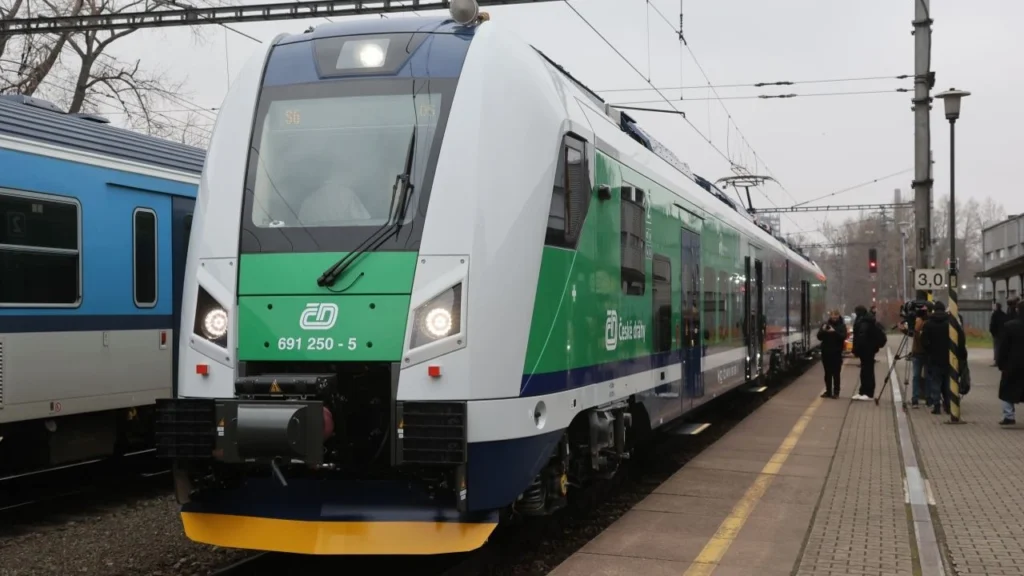
The Czech Republic is preparing a major green mobility upgrade as the Moravia-Silesia region moves ahead with new RegioPanter hybrid trains designed to transform regional tourism and sustainable travel. Scheduled to begin operations by 2027, the next-generation trains will combine electric and battery-powered technology, allowing seamless journeys across both electrified and non-electrified rail lines while reducing emissions and improving access to key attractions.
The investment positions Moravia-Silesia as one of Central Europe’s emerging leaders in eco-friendly tourism infrastructure. For travelers, it promises easier access to mountain landscapes, cultural cities and lesser-known destinations without relying on private cars or diesel-powered transport.
A New Era for Regional Travel
Moravia-Silesia, located in the northeastern Czech Republic, is known for its mix of industrial heritage, vibrant cities and scenic natural areas. Destinations across the region include the city of Ostrava, the Beskid Mountains and historic towns rich in local culture. Yet some of the most appealing places have remained harder to reach by public transport.
The new hybrid trains are expected to change that by strengthening links between urban centers such as Ostrava, Karviná and Opava and surrounding tourism zones. Better rail connectivity can encourage visitors to explore beyond the main cities and spend more time across the wider region.
How Hybrid Trains Work
The RegioPanter fleet will use both overhead electric power and onboard battery systems. This allows trains to continue operating on routes that lack electrification, removing the need for diesel engines on many regional services.
For passengers, the result is a smoother and quieter journey. For the region, it means cleaner transport with fewer emissions and more flexible route planning. Hybrid rail technology is becoming increasingly important across Europe as governments modernize networks without waiting for full electrification of every line.
A Strong Win for Sustainable Tourism
Sustainability is now a key factor in travel decisions. Many visitors actively seek destinations that offer lower-impact transport, greener accommodation and responsible tourism experiences. By investing in battery-electric rail services, Moravia-Silesia is aligning with that demand.
Low-emission trains can help reduce the environmental footprint of domestic and international tourism while preserving the landscapes that attract visitors in the first place. This is particularly valuable for mountain areas, forests and nature destinations where cleaner transport can support long-term conservation goals.
Better Access to Hidden Attractions
One of the biggest tourism benefits of the new trains is improved access to lesser-known sites. Travelers will find it easier to visit scenic and cultural destinations outside the main urban corridors, including natural landmarks and smaller towns that previously required more complicated journeys.
When transport becomes easier, visitor flows often spread more evenly across a region. That can reduce pressure on crowded hotspots while bringing new economic opportunities to communities that have seen fewer tourism benefits in the past.
Economic Growth for Local Communities
Expanded rail access can create a ripple effect across the local economy. Hotels, guesthouses, restaurants, shops, guides and attractions often benefit when new transport links bring additional visitors. Even modest increases in regional tourism can support jobs and business growth.
For smaller towns and villages, being connected to a stronger rail network can increase visibility and encourage overnight stays rather than day trips, generating higher visitor spending.
A Joint Strategy for the Future
The project is being supported through cooperation between the Czech Ministry of Transport, Czech Railways and Škoda Group. This coordinated approach is important because successful tourism transport depends not only on trains, but also on scheduling, station access, marketing and traveler-friendly integration.
When infrastructure and tourism planning move together, destinations are better placed to create seamless journeys that attract repeat visitors.
Why It Matters for Europe
Moravia-Silesia’s investment reflects a broader European trend toward smarter, cleaner regional mobility. As rail becomes central to climate goals and tourism strategies, hybrid fleets can help bridge gaps where full electrification is still years away.
That makes the Czech Republic’s project relevant beyond its borders. Other regions may look to similar solutions as they balance sustainability, cost and visitor growth.
Looking Ahead to 2027
When the RegioPanter hybrid trains enter service, travelers will gain a new way to experience Moravia-Silesia with greater comfort, easier access and lower environmental impact. For the Czech Republic, the project signals that the future of tourism growth can be both ambitious and sustainable.
For more travel news like this, keep reading Global Travel Wire