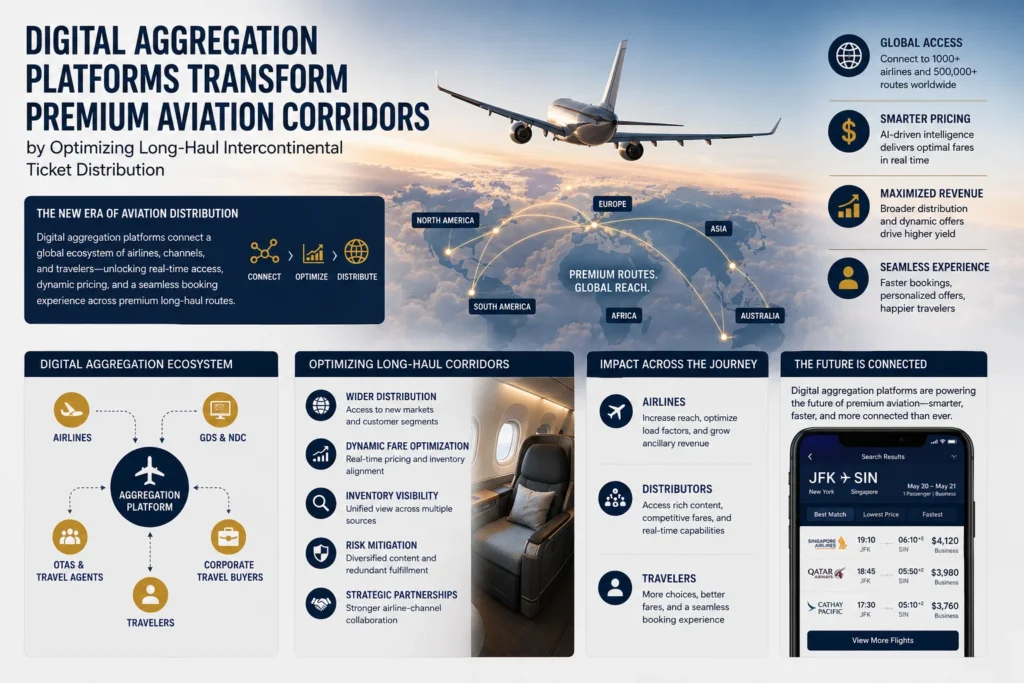
The international aviation sector is witnessing a distinct, technology-driven evolution in how premium cabin seating is managed, distributed, and purchased. As global airlines continue to experience high demand for luxury inventory, digital ticketing platforms are becoming the primary infrastructure for corporate procurement and luxury vacation planning. Industry monitoring reveals that distribution aggregators are restructuring access to complex long-haul inventory, providing a central digital ecosystem to analyze premium cabin seating options across major intercontinental travel paths without requiring the creation of independent direct carrier operations.
Statistical reports from global aviation authorities underscore that the segment for luxury travel technology solutions remains one of the fastest-growing revenue generators for both commercial airlines and technology intermediaries. By integrating multiple booking databases into a single interface, aggregation networks provide immediate visibility into premium seat availability, allowing global travelers to navigate seasonal fluctuations, optimize business class flights, and access high-value itinerary upgrades on some of the longest aviation routes in existence.
Understanding the Consolidation Model in Modern Ticket Distribution
The core operational mechanism behind modern flight aggregation centers heavily on structural data integration rather than direct airline fleet expansion. These specialized digital platform frameworks compile comprehensive flight metrics, seat availabilities, and dynamic pricing structures directly from extensive international databases. This gives corporate operations and high-end travelers an efficient method to evaluate different airline offerings simultaneously.
This modern, data-first model addresses a long-standing challenge within premium ticket distribution: the fragmented nature of airline fare structures. Because international airlines utilize complex algorithmic systems to adjust ticket costs based on real-time demand, fuel projections, and route competition, direct comparison across separate carrier portals has historically been labor-intensive. Digital platforms simplify this complexity by organizing global inventory into a structured, unified presentation, enabling users to evaluate competing business class designs, lounge accesses, and stopover options in real time.
Key Driving Forces Shaping the Demand for Long-Haul Premium Cabins
The strategic expansion of premium distribution channels aligns directly with broad, multi-segment traffic recoveries observed across the global travel industry. Aviation distribution statistics point to three primary traveler categories that are consistently driving the demand for high-value long-haul seats:
The Corporate Travel Recovery: High-yield business mobility is showing a strong rebound along major international technology and financial corridors, such as the transpacific corporate pathways and transatlantic financial networks connecting major global trade capitals.
The Premium Leisure Sector: A noticeable increase in affluent discretionary spending has resulted in higher demand for premium comfort options, with long-haul leisure passengers increasingly selecting lie-flat seats, private seating configurations, and upscale culinary services.
Diaspora and Generational Travel: Year-round premium travel demand is heavily supported by large diaspora populations traveling long distances to visit family and friends, with families frequently opting for premium cabin seating to ensure comfort on multi-segment intercontinental journeys.
These traveler segments demonstrate that the desire for optimized, premium in-flight environments remains consistent across both commercial business trips and luxury personal itineraries.
Major Strategic Flight Corridors Undergoing Technological Integration
The continuous development of digital aggregation tools directly impacts several high-density flight pathways, each characterized by specific demographic needs and corporate demands.
The aviation corridor linking the United States with India stands out as one of the largest global corridors for year-round premium traffic, sustained by the constant movement of technology sector executives, multinational corporate employees, and family networks. Similarly, long-haul routes connecting North America to Japan and Australia reflect deep corporate partnerships and high-yield vacation preferences that favor optimized transit layouts.
Transatlantic routes between North America and major European travel hubs continue to see high volumes of premium business class ticket distribution, anchored by steady financial sector transit and cultural tourism. Furthermore, pathways extending toward emerging markets in Africa and major transit hubs like Dubai emphasize the growing importance of seamless stopover connectivity, where modern travelers leverage advanced aggregation tools to organize multi-carrier journeys through dominant international aviation networks.
Operational Value and Long-Term Trajectory of Luxury Distribution Tech
The ongoing shift toward specialized third-party booking networks introduces clear structural benefits for the broader travel economy. For operating airlines, these digital ecosystems provide extended visibility for premium cabin options, helping carriers fill high-value sections on long-distance flights that might otherwise remain vacant during off-peak windows. This heightened visibility fosters a highly competitive market environment, encouraging airlines to continuously refine their onboard products and ground-based lounge services.
For international travelers, the presence of these advanced aggregation platforms translates directly to enhanced pricing transparency, simplified itinerary management, and the ability to combine flights from different alliances within a single booking framework. As artificial intelligence and real-time fare optimization software become more deeply integrated into distribution architectures, the capacity for platforms to deliver tailored travel recommendations will expand accordingly.
Prospective travelers looking to maximize their long-haul premium travel plans are encouraged to secure reservations through verified, secure digital aggregators that offer comprehensive fare comparisons, transparent seat mapping, and flexible modification options. By keeping critical travel tools up to date and monitoring official aviation system updates, corporate travel managers and international leisure tourists can ensure a highly efficient, seamless journey across the world’s premier flight corridors.
For more travel news like this, keep reading Global Travel Wire