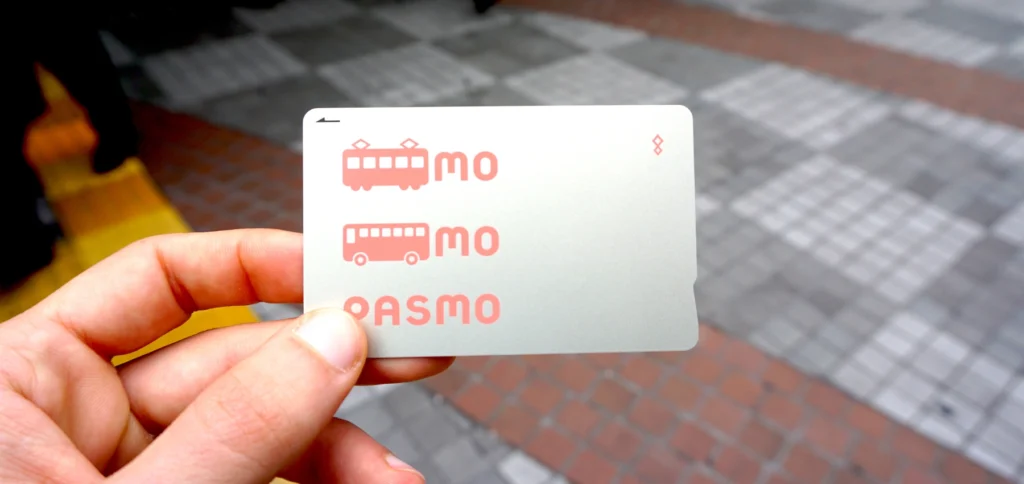
Japan is strengthening its position as one of the world’s most efficient travel destinations with the launch of the new Tourist Pasmo prepaid transport card, a cashless mobility solution designed specifically for international travelers navigating the country’s vast rail, bus, and retail networks.
Developed by Pasmo Co., the Tourist Pasmo card is scheduled to launch in May and aims to provide foreign visitors with faster, simpler, and more seamless access to public transportation across Japan. The new system is expected to significantly improve travel convenience for tourists arriving through major international gateways such as Narita Airport and Haneda Airport.
As Japan continues welcoming rising numbers of overseas visitors, the introduction of a dedicated prepaid transit card reflects broader national efforts to modernize tourism infrastructure, reduce travel friction, and expand digital mobility solutions throughout the country.
The launch also highlights Japan’s growing focus on cashless tourism experiences as international travelers increasingly seek efficient, tap-and-go transport systems during multi-city journeys.
Tourist Pasmo Card Designed for Easy Nationwide Transit Access
The Tourist Pasmo card functions as a prepaid IC transport card that allows travelers to access trains, buses, and participating retail outlets using a single payment platform.
While Pasmo cards are traditionally associated with Tokyo-area private railways, the underlying IC payment infrastructure is interoperable across Japan’s nationwide transportation network. This means travelers can use the card well beyond Tokyo, including regional buses, rail services, and retail locations throughout the country.
The system is designed to eliminate many of the common challenges international tourists face when navigating unfamiliar ticketing systems, local currency requirements, or complex fare structures.
Instead of purchasing separate tickets for individual journeys, travelers can simply tap the card at supported stations and payment terminals.
Tourism experts say integrated transit systems play an increasingly important role in shaping traveler satisfaction, especially in destinations with large-scale public transport networks like Japan.
Narita and Haneda Airports Become Key Distribution Hubs
Pasmo Co. plans to distribute the Tourist Pasmo card directly through ticket vending machines and staffed service counters at major railway stations and airport gateways.
Narita Airport and Haneda Airport will serve as primary sales hubs, allowing international passengers to secure transport access immediately after arrival in Japan.
The strategy is intended to reduce confusion for first-time visitors while helping travelers connect quickly with rail services linking airports to Tokyo and surrounding destinations.
Different pricing models will apply depending on the airport location.
At Narita Airport, the Tourist Pasmo card will be sold at a fixed price of 2,000 yen. Meanwhile, Haneda Airport passengers will be able to purchase cards loaded with balances ranging from 1,000 yen to 10,000 yen, providing greater flexibility for varying travel needs and trip durations.
The airport-focused rollout reflects the growing importance of seamless arrival experiences within global tourism competitiveness.
No Deposit Requirement Simplifies Tourist Spending
One of the most notable changes introduced with the Tourist Pasmo card is the removal of the traditional security deposit commonly associated with transit cards in many global cities.
Under conventional IC card systems, travelers often pay an additional refundable deposit to cover the physical card itself. Pasmo Co.’s new tourist-focused version eliminates this requirement entirely, allowing visitors to dedicate all loaded funds directly toward transportation and purchases.
The simplified onboarding process is expected to improve convenience for short-term travelers and reduce administrative steps during arrival.
However, the Tourist Pasmo card will operate under a strict 28-day validity period, making it primarily suited for vacationers, business travelers, and temporary visitors.
Passengers can recharge the card repeatedly during the active period at standard ticket kiosks and stations across Japan.
Officials also confirmed that any remaining balance at the end of the 28-day period will be nonrefundable, encouraging travelers to manage spending carefully before departure.
Japan Reinforces Its Cashless Tourism Strategy
The Tourist Pasmo launch arrives as Japan continues accelerating digital tourism infrastructure ahead of sustained international visitor growth.
Cashless payment systems have become increasingly important across the global travel industry, particularly in destinations handling large numbers of overseas tourists unfamiliar with local banking systems or currency exchange practices.
Japan’s transportation sector has long been recognized for operational efficiency, but simplifying payment systems for foreign travelers has become a growing priority as tourism demand rebounds strongly.
The Tourist Pasmo card also fills a gap left after the discontinuation of the Pasmo Passport service in 2024, which had previously served many international visitors traveling through Tokyo and surrounding regions.
The new version introduces updated features, refined functionality, and redesigned visual elements intended to better appeal to modern travelers.
Tourists Can Keep the Card as a Japan Travel Souvenir
Beyond its transportation function, the Tourist Pasmo card is also being marketed as a travel keepsake.
Pasmo Co. confirmed that the card’s design incorporates kanji characters associated with tourism and travel themes, creating a more visually distinctive product for international visitors.
Because the card does not require return for deposit reimbursement, travelers are free to keep it as a souvenir after the 28-day validity period expires.
The approach reflects a growing tourism trend where transport products increasingly double as collectible travel memorabilia tied to destination branding.
Competition Grows Among Japan’s Tourist Transit Cards
The Tourist Pasmo card will compete directly with other established tourist transit products in Japan, most notably the Welcome Suica card issued by East Japan Railway Company.
Like Tourist Pasmo, Welcome Suica offers a 28-day validity period and supports broad interoperability across Japan’s transportation and retail payment systems.
Both cards are expected to play a major role in supporting Japan’s ongoing shift toward fully integrated cashless tourism experiences.
Travel analysts believe the expansion of tourist-focused digital transit tools will improve visitor mobility, reduce transportation confusion, and encourage wider exploration beyond major urban centers.
As Japan prepares for another strong tourism year, the launch of the Tourist Pasmo card signals a broader effort to combine convenience, technology, and seamless mobility into a more traveler-friendly national transportation experience.
For more travel news like this, keep reading Global Travel Wire