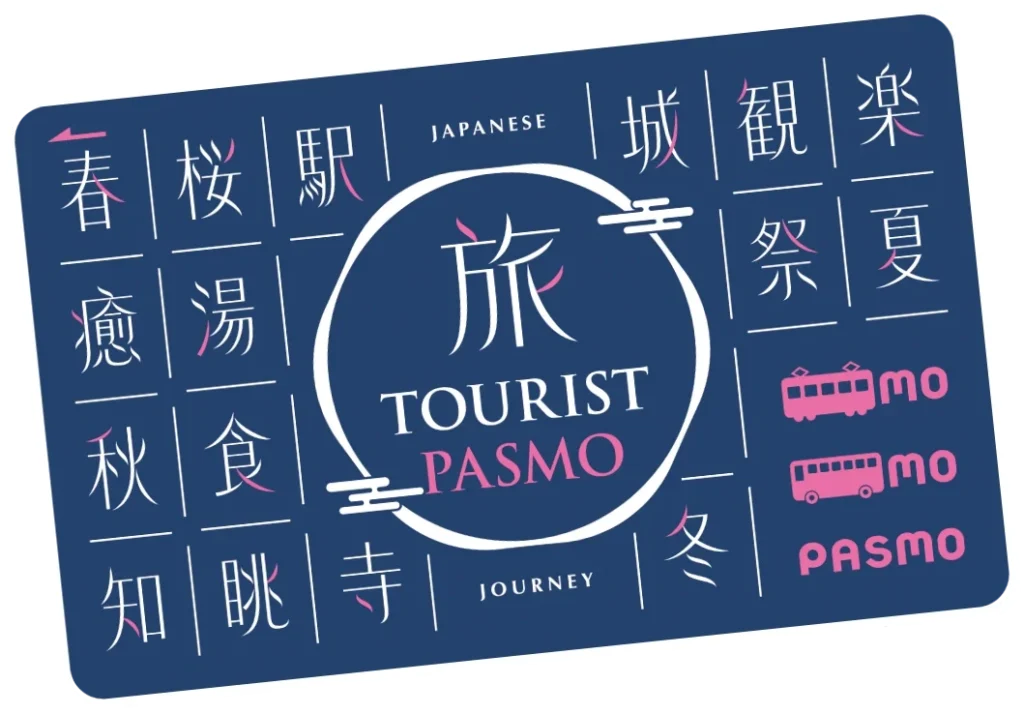
Japan is preparing to transform the travel experience for international visitors with the launch of TOURIST PASMO, a new prepaid IC travel card designed specifically for overseas tourists exploring the country’s extensive transport network and cashless payment ecosystem.
Starting from May 2026, international travelers arriving in Japan will be able to purchase TOURIST PASMO immediately after landing at major airports, allowing seamless access to trains, buses, select taxis, vending machines, and retail outlets across key destinations including Tokyo, Osaka, Kyoto, Nagoya, and Fukuoka.
The launch represents a major step in Japan’s wider tourism strategy aimed at improving convenience, reducing travel friction, and supporting rising inbound tourism demand as the country continues strengthening its position as one of Asia’s leading travel destinations.
Japan Expands Seamless Travel for International Visitors
Japan’s rail and urban transport systems are already globally recognized for efficiency, punctuality, and connectivity. TOURIST PASMO builds on that reputation by giving overseas visitors a single prepaid card that works across multiple transport systems and retail environments without requiring separate tickets or repeated cash payments.
The new IC card allows travelers to move quickly from airport terminals to city centers and regional destinations while simplifying fare payments and reducing confusion for visitors unfamiliar with Japan’s ticketing systems.
Officials confirmed that TOURIST PASMO will be available at train stations serving both Narita Airport and Haneda Airport, enabling tourists to activate their travel card immediately after arrival.
The initiative is expected to significantly improve the early stages of international travel in Japan by minimizing airport transfer stress and eliminating the need to navigate complex fare machines or carry large amounts of cash.
How TOURIST PASMO Works
TOURIST PASMO functions as both a transportation card and an electronic payment tool. The integrated circuit card can be used on trains, buses, and selected taxis that support Japan’s IC transit systems while also allowing cashless purchases at convenience stores, vending machines, and participating retail locations.
Once activated, the card remains valid for 28 days, aligning closely with the duration of most international leisure trips to Japan.
Unlike many standard transport cards in Japan, TOURIST PASMO does not require a refundable deposit. Every yen loaded onto the card becomes immediately available for travel and purchases. However, travelers are advised to manage top-ups carefully because unused balances cannot be refunded after the card expires.
The card can also be retained as a travel souvenir featuring a special Japan-themed design celebrating tourism and exploration.
Flexible Purchase Options at Japanese Airports
Japan has introduced multiple balance options to improve flexibility for international travelers based on trip length and expected spending.
At Narita Airport, TOURIST PASMO will initially be sold with a fixed value of ¥2,000. Meanwhile, Haneda Airport travelers will be able to choose from several balance levels including ¥1,000, ¥2,000, ¥3,000, ¥4,000, ¥5,000, and ¥10,000.
The cards will be available through ticket machines and service counters accepting both cash and major credit cards, streamlining the purchasing process for overseas visitors immediately upon arrival.
Tourism analysts say this flexibility reflects Japan’s broader effort to modernize the visitor experience and encourage more seamless spending behavior among international travelers.
One Card Across Multiple Japanese Cities
One of TOURIST PASMO’s biggest advantages is its nationwide interoperability. The card can be used across IC-enabled transport systems in major cities and regional networks throughout Japan without requiring travelers to purchase separate regional transit cards.
This allows tourists to use a single card while traveling between Tokyo, Osaka, Kyoto, Nagoya, Fukuoka, and other destinations connected through Japan’s extensive rail and bus infrastructure.
The integrated system removes a longstanding challenge for visitors who previously needed to calculate fares manually or purchase multiple tickets during intercity journeys and regional travel.
Travel industry experts believe the simplified payment system will encourage greater use of public transportation among international tourists while supporting smoother tourism flows across major destinations and regional attractions.
Cashless Tourism Continues Expanding in Japan
The introduction of TOURIST PASMO also reflects Japan’s growing focus on cashless tourism and smart mobility solutions.
Although Japan historically relied heavily on cash transactions, tourism authorities and transport operators have increasingly expanded digital payment infrastructure to accommodate rising international visitor expectations and evolving travel behaviors.
Cashless convenience has become especially important for tourists navigating fast-moving urban environments, airport transfers, regional rail systems, and high-traffic tourist attractions.
The ability to use TOURIST PASMO for small retail purchases, vending machines, and convenience stores reduces dependence on physical currency while helping travelers move more efficiently through daily activities.
Japan Strengthens Position as Visitor-Friendly Destination
Japan’s tourism sector continues to recover strongly as international visitor numbers increase and demand for seamless travel experiences grows across Asia and global long-haul markets.
Authorities view transportation convenience as a critical factor in improving visitor satisfaction and encouraging repeat travel. By simplifying one of the most common challenges faced by tourists — navigating transport systems — Japan aims to create a more accessible and welcoming travel environment.
TOURIST PASMO is expected to become an essential travel tool for visitors exploring Japan in 2026 and beyond, helping travelers focus more on cultural experiences, sightseeing, and regional exploration rather than transport logistics.
As Japan continues investing in smart tourism infrastructure and integrated mobility systems, the launch of TOURIST PASMO signals a broader shift toward frictionless, visitor-centered travel across one of the world’s most advanced tourism markets.
For more travel news like this, keep reading Global Travel Wire