Driverless rides, biometric identity checks and contactless transport are changing how visitors experience US destinations. Across cities including Miami, Orlando, San Francisco, Phoenix, Las Vegas and New York, digital services are becoming part of the journey between airports, hotels and attractions.
For travellers, their value depends on practical details. A service must cover the intended route, accept the passenger’s payment method or support the relevant ticket. The examples below show how technology can help visitors move around, alongside the checks needed before relying on it.
Driverless Rides Add Another Transport Choice
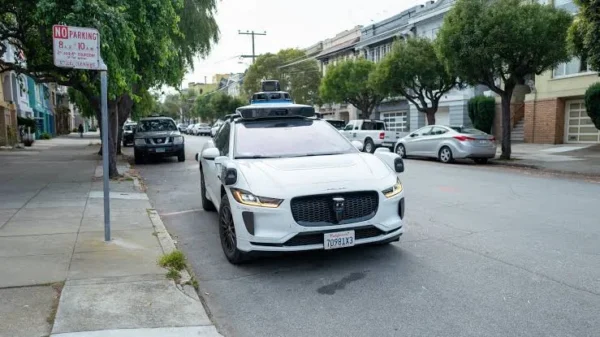
Autonomous ride-hailing brings a distinctive experience to urban transport. In operating areas, passengers can request a vehicle through an app and travel without a driver behind the wheel.
San Francisco and Phoenix feature prominently in the supplied account of this development. Miami also appears among the destinations associated with expanding driverless services.
For visitors, the attraction may begin with curiosity. Watching a vehicle navigate city streets can make a routine ride an experience in itself.
Its usefulness still depends on service boundaries and available pickup points. Travellers should check whether their hotel, restaurant or attraction falls within the operating area before planning around a driverless journey.
Airport Biometrics Address One Stage of Departure
Biometric identity checks are another visible part of US travel technology. Participating airport programmes allow eligible, enrolled passengers to verify their identity using facial recognition.
The supplied material highlights Dallas, Miami and Newark within this wider shift towards digital passenger processing. Availability depends on the airport, airline, passenger eligibility and the particular programme.
An identity check also sits within a longer departure process. Baggage procedures, security screening and boarding each have their own requirements.
Passengers should carry the documents required for their journey and follow the instructions attached to their booking. Confirming eligibility in advance helps travellers understand which facilities they can use.
Orlando Connects Digital Tools With Theme-Park Visits
Orlando’s visitor economy gives technology a different role. At major attractions, digital systems can support admission, ticket validation and access to selected services.
Universal Orlando’s Photo Validation programme uses facial recognition within participating facilities. For guests choosing to use it, the system can reduce repeated ticket presentation at supported points.
The practical benefit is most apparent during a busy day involving several activities. Families may value having fewer items to retrieve while managing bags, children and attraction schedules.
Visitors should review the current arrangements for their ticket, including enrolment requirements and available alternatives. Features may differ between parks and individual services.
Las Vegas Makes Digital Displays an Attraction
In Las Vegas, large-scale visual technology forms part of the destination’s entertainment offering.
Sphere combines an exterior LED display with an immersive interior presentation space. Its changing imagery adds a digital landmark to the surrounding skyline.
For tourists, the experience can begin outside the venue, where the exterior provides a visible display. Interior events offer a separate experience requiring the appropriate ticket.
Visitors planning around a particular presentation should check the published event programme. Images associated with a major sporting weekend or promotion may run for a limited period.
This approach shows how digital infrastructure can become something travellers specifically choose to see.
New York Simplifies Payments Through OMNY
New York’s OMNY system allows contactless payment for participating public transport journeys. Visitors can tap an accepted bank card, smartphone or smartwatch at supported readers.
That provides a way to pay without first learning how to purchase a separate fare product. Fare-capping arrangements can also help passengers making repeated journeys, subject to the current rules.
Travellers should use the same payment method consistently where required for those benefits. A physical card and its digital-wallet version may be treated separately.
Current fares and caps should be checked before calculating a transport budget, particularly when combining local services with express or airport connections.
Practical Details Determine the Visitor Experience
These examples serve different purposes. Driverless vehicles provide transport, biometric systems support identity verification, and digital displays create entertainment.
For hotels and travel operators, clear instructions can help guests use each service. Information about coverage, accepted payments, eligibility and human assistance is particularly useful for first-time visitors.
Accessibility and alternatives also matter. A digital service needs to work for the people using it, including those unfamiliar with the app or payment system.
For travellers planning a US itinerary, the most useful approach is to check each tool against a specific journey. Knowing where a service works—and what is required to use it—can make technology a practical part of the holiday.
For more travel news like this, keep reading Global Travel Wire