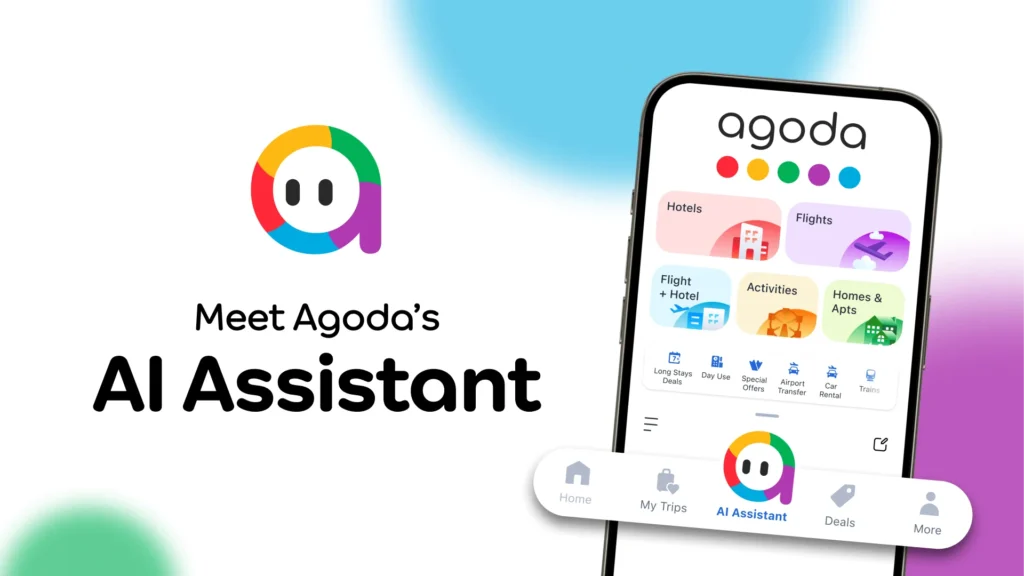
A new wave of artificial intelligence technologies is revolutionizing how people plan and experience trips, ushering in a smarter and more personalized era for global travel. From India to the United Kingdom and across Europe, AI has moved from a futuristic concept to an everyday travel companion, reshaping how advisors work and how travelers navigate their journeys. The latest developments highlight how digital transformation is shifting the tourism sector toward efficiency, confidence, and human-centered personalization.
For decades, travel planning involved guidebooks, static itineraries, and time-consuming research. Today, AI tools can analyze thousands of data points in seconds, enabling tailored travel solutions that reflect individual preferences and real-time circumstances. This new digital ecosystem supports travel advisors by reducing manual workloads, enhancing customer engagement, and improving the accuracy of planning decisions. For travelers, the result is a smoother journey from the moment inspiration strikes until they return home.
Personalized AI Itineraries for New-Generation Travel Planning
Perhaps the most transformative change is in itinerary design. AI systems can now generate bespoke trip plans using inputs such as destination interests, lodging style, food preferences, accessibility needs, weather patterns, and even cultural events. These individualized itineraries reflect how diverse modern travel has become: some travelers seek culinary experiences, others prioritize remote outdoor adventures, wellness retreats, or museums and heritage sites.
In major tourism markets such as India, digitally enhanced national tourism platforms now integrate AI to recommend experiences that adjust dynamically to disruptions such as weather alerts or flight delays. Travelers no longer rely solely on printed schedules or pre-planned lists—they can adapt plans on the go, swapping attractions or adjusting travel times with the assistance of AI-powered trip engines. These systems also support sustainable travel by recommending lower-impact transportation options or lesser-known attractions to relieve pressure on overcrowded sites.
For travel advisors, the rise of personalized AI itineraries is a commercial advantage. Rather than spending hours researching destinations, advisors can focus on curating the emotional and experiential components that make a journey memorable. Clients in turn receive a product that feels uniquely tailored to them, encouraging loyalty and referrals in a competitive market.
Predictive Insights and Real-Time Intelligence
Beyond personalization, predictive analytics is emerging as a powerful asset for smarter decision-making. AI platforms are now capable of forecasting tourism trends by analyzing historical data, booking patterns, seasonal variations, and destination-specific indicators. Travelers benefit from insights into the best times to book flights, stay at accommodations, or visit popular attractions without crowds.
Destination management organizations in Europe and OECD countries are increasingly exploring predictive tourism systems to anticipate visitor flows and mitigate congestion at cultural landmarks. These analytical tools help cities balance tourism growth with quality-of-life considerations for residents, demonstrating how AI can support both economic development and sustainability goals.
For advisors, predictive intelligence eliminates much of the guesswork. Instead of relying on anecdotal knowledge, advisors can recommend alternatives backed by robust data. This contributes to a calmer and more informed planning experience, especially for customers who may feel overwhelmed by the sheer quantity of travel information available online.
Conversational AI and 24/7 Digital Support
Travelers today expect instant answers, and conversational AI is delivering just that. Modern travel assistance tools now interpret complex queries in natural language and respond across multiple languages, making international travel more accessible. These digital assistants can handle tasks such as rebooking flights, modifying hotel reservations, checking visa requirements, or identifying transportation options in unfamiliar cities.
Unlike older chatbots built on pre-set rule systems, the newest AI travel assistants integrate real-time travel data, enabling them to provide contextually relevant responses. For example, if a train cancellation occurs in a European capital, the traveler may instantly receive updated route suggestions or compensation guidance. For advisors, conversational AI serves as an intelligent co-worker, helping manage routine questions so they can focus on higher-value services such as trip customization and client care.
Government tourism bodies and national travel portals are increasingly adopting these digital assistants as part of their modernization strategies. By embedding AI engagement tools, destinations enhance pre-travel planning experiences while reducing friction for first-time visitors who may be navigating cultural or language barriers.
AI as a Catalyst for Smarter, Safer, More Personalized Travel
The broader implications of AI in tourism point toward smarter and more resilient travel ecosystems. Digital transformation not only accelerates service delivery but helps build traveler confidence, particularly in complex itineraries involving multiple destinations. Families, solo travelers, and older tourists alike benefit from tools that anticipate challenges and offer solutions before issues escalate.
The tourism industry is also benefiting from the democratization of information. AI eliminates knowledge bottlenecks, allowing everyday travelers to access insights once reserved for specialists. This aligns with global tourism goals promoting inclusivity, accessibility, and responsible development.
Looking ahead, the future of travel planning is poised to become even more immersive and intuitive. AI may soon integrate with augmented reality travel previews, biometric border systems, and personalized sustainability scoring. These innovations will continue pushing the sector toward seamless and experience-driven travel.
As 2026 unfolds, one conclusion is clear: the future of tourism is not only digital—it is predictive, empathetic, and tailored to each traveler’s unique journey.
For more travel news like this, keep reading Global Travel Wire