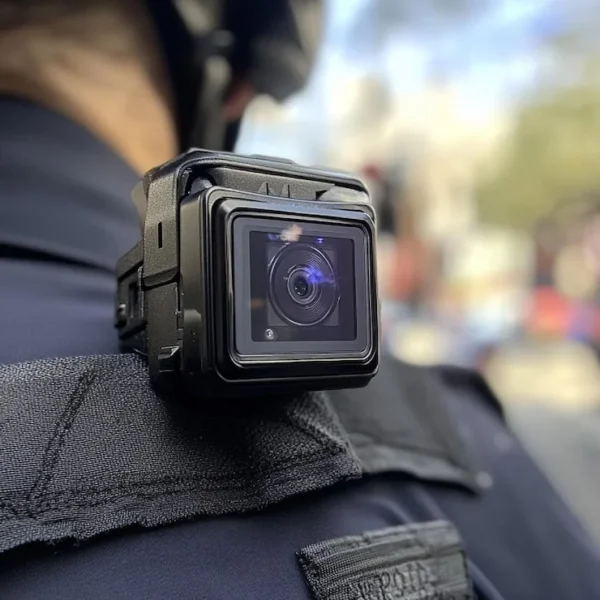
Punjab has introduced body-worn cameras for traffic police officers in Jalandhar, creating recorded evidence of roadside checks and interactions with motorists.
The Jalandhar Commissionerate Police has initially deployed 20 cameras through its Emergency Response System Traffic Wing. Sixteen major city intersections have received coverage, while four devices have been assigned to zonal traffic officers.
Police plan to expand the programme to 100 cameras, allowing most traffic personnel on duty to record their public interactions. The initiative aims to strengthen transparency, accountability and professional conduct during traffic enforcement.
For residents, tourists, business travellers and commercial drivers, the cameras could create greater clarity during vehicle inspections and challan procedures. Recorded footage may also help authorities review complaints and resolve conflicting accounts.
However, the equipment does not change Punjab’s traffic laws. Drivers must still carry the required documents, follow police instructions and comply with existing road safety regulations.
Cameras document roadside interactions
Traffic officers will wear the devices while conducting checks at busy and sensitive locations across Jalandhar. The cameras are intended to record conversations and enforcement procedures involving motorists and other road users.
Such recordings can provide an objective account when disagreements arise over challans, document inspections or officer conduct. They may also protect police personnel against inaccurate allegations by preserving evidence of what occurred.
The system encourages accountability on both sides. Officers know their actions are being documented, while motorists understand that abusive behaviour, attempts to avoid penalties or other inappropriate actions may also appear in the footage.
Punjab Police said the cameras would strengthen transparent and professional traffic enforcement. The technology forms part of a broader focus on citizen-friendly policing and better road safety.
The programme will require clear operational standards. Authorities will need to determine when officers should activate cameras, how footage will be stored and who can access recordings during complaint reviews.
Travellers gain greater reassurance
Road checks can be stressful for visitors unfamiliar with local procedures. Tourists driving rental vehicles, interstate motorists and commercial operators may face document checks while navigating Jalandhar.
Body-camera footage can provide reassurance that interactions are being documented. If a dispute occurs, authorities may review the evidence instead of relying entirely on competing verbal accounts.
The cameras could also discourage arbitrary conduct or demands for unofficial payments. At the same time, they can document motorists attempting to use personal influence to avoid enforcement action.
Nevertheless, a body camera does not automatically determine who is correct. Footage must remain complete, secure and available for impartial examination when a formal complaint arises.
Visitors should cooperate calmly during checks and ask for clarification if they do not understand an instruction. Arguments at busy intersections can create additional danger for officers, drivers and surrounding traffic.
Rollout follows enforcement concerns
The deployment comes amid increased attention to professional behaviour during roadside interactions. A recent disagreement near Jalandhar Cantonment involved a traffic officer and a truck operator during a document check.
The driver reportedly displayed his licence on a mobile phone. An argument then developed when he attempted to retrieve the device, leading to an allegation of physical misconduct by the officer.
Police authorities transferred the personnel concerned to Police Lines and stressed that inappropriate behaviour toward citizens would not be tolerated. They also emphasised restraint, courtesy and professionalism during public interactions.
The incident demonstrated why reliable recordings can matter. Video evidence could help establish the sequence of events, identify misconduct and support decisions based on documented facts.
However, the body-camera programme has a wider purpose than reviewing individual cases. Its long-term value will come from improving everyday interactions across the city’s road network.
Digital policing expands in Jalandhar
The initiative forms part of Jalandhar’s broader shift toward technology-supported traffic management. The city has already introduced electronic challaning and intelligent monitoring at key road junctions.
Body-worn cameras add a close-range perspective to fixed surveillance systems. Roadside footage can capture conversations and procedures that junction cameras may not record clearly.
Together, these technologies can create a stronger evidence system for traffic enforcement. They may also help supervisors identify training needs and improve operational standards.
Yet technology must be supported by fair procedures. Secure storage, retention rules, privacy protection and controlled access will influence public confidence in the system.
Recorded material should be protected against alteration or unauthorised circulation. Motorists also need clear channels for submitting complaints and requesting an official review.
Drivers must follow existing rules
The rollout does not introduce new requirements for domestic or international travellers. Drivers should continue carrying a valid licence, vehicle registration, insurance and any permits required for their journey.
Commercial vehicle operators must also maintain the documents applicable to their vehicle and route. Visitors using rental cars should confirm which papers the rental provider supplies.
During a check, motorists should stop safely, remain respectful and present documents when requested. They should retain challan receipts and note relevant details if they later need to raise a complaint.
Camera-equipped personnel will initially remain concentrated at major intersections. Therefore, travellers should not assume that every traffic officer in Jalandhar is already wearing one.
Wider rollout could strengthen trust
Expanding from 20 to 100 cameras would considerably increase coverage across Jalandhar. More officers could then document routine enforcement, festival traffic operations and checks at sensitive intersections.
Successful implementation may provide a model for other urban areas seeking more transparent police-public interactions. It could also make road journeys more predictable for people passing through Punjab.
The programme’s effectiveness will depend on consistent camera use, reliable evidence management and fair complaint handling. If those safeguards remain strong, body-worn cameras could improve confidence in enforcement while protecting both travellers and police officers.
For more travel news like this, keep reading Global Travel Wire