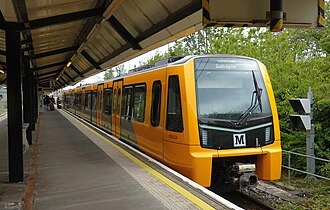
The United Kingdom has completed a major multi-million-pound modernization of the Tyne and Wear Metro control room, introducing advanced railway technology designed to improve safety, operational efficiency, and passenger experience across Newcastle, Gateshead, Sunderland, and surrounding areas.
The upgrade marks a significant milestone for public transport infrastructure in northeast England and reinforces the Metro’s role as one of the country’s busiest urban rail systems. Officials confirmed the project was completed ahead of schedule, equipping the network with next-generation train monitoring systems, advanced signaling software, and real-time operational management tools aimed at delivering faster and more reliable journeys for commuters, tourists, and business travelers.
The modernization reflects broader investment trends across the UK transport sector, where rail operators are increasingly adopting digital technologies to improve reliability, passenger confidence, and long-term sustainability.
Advanced Railway Technology Modernizes Metro Operations
The newly upgraded control room introduces sophisticated train monitoring systems capable of tracking Metro services across the network in real time. Operators can now oversee train movements, signaling activity, occupancy levels, and energy consumption through integrated digital dashboards designed to improve operational awareness and response times.
The system also incorporates automated train control technologies, predictive maintenance alerts, and direct communication channels linking control room staff with field engineers and station teams.
Metro operators can now respond more rapidly to service disruptions, technical issues, and peak travel demands while maintaining tighter control over train scheduling and network performance.
Industry observers say the technology places the Tyne and Wear Metro among Europe’s more advanced urban light rail systems in terms of digital operations and integrated traffic management capabilities.
Passenger Experience Expected to Improve Significantly
For travelers using the Metro network daily, the upgrade is expected to deliver more reliable schedules, faster disruption management, and improved access to real-time travel information.
Enhanced monitoring systems will support quicker incident responses and minimize delays, helping commuters and visitors move more efficiently throughout Newcastle, Gateshead, Sunderland, and neighboring communities.
The modernization also strengthens passenger safety through automated hazard detection systems and coordinated emergency response capabilities designed to reduce operational risks and improve incident management.
Reliable urban transport has become increasingly important for travelers navigating busy city centers, airport connections, business districts, shopping areas, and major tourist attractions throughout northeast England.
Tourism and Regional Travel Benefit From Improved Connectivity
The Tyne and Wear Metro remains a critical transport link for visitors exploring northeast England’s tourism destinations. The rail network connects Newcastle city center, Gateshead Quayside, Sunderland’s coastline, entertainment districts, cultural attractions, and major transport hubs across the region.
The upgraded control room is expected to improve service consistency during peak tourism periods, benefiting local hotels, restaurants, retail businesses, and visitor attractions that depend heavily on efficient public transport connections.
International travelers arriving through Newcastle International Airport and regional rail services are also likely to benefit from improved Metro reliability and clearer travel information, helping reduce travel uncertainty while encouraging greater use of public transportation throughout the region.
Tourism officials across the UK have increasingly emphasized the importance of reliable urban transit systems in supporting visitor satisfaction and sustainable city travel experiences.
Predictive Maintenance and Automation Increase Efficiency
One of the most significant operational improvements introduced through the upgrade involves predictive maintenance technology. Advanced monitoring systems can now identify potential faults before they escalate into major service disruptions, allowing engineers to carry out preventive repairs more efficiently.
Automated scheduling tools also optimize train frequencies during peak commuting periods and quieter off-peak hours, helping improve passenger flow while reducing unnecessary energy consumption and operational costs.
Integrated communication systems further improve coordination between operators, engineers, and station teams, allowing incidents to be managed more quickly and minimizing delays across the network.
Transport analysts say automation and predictive maintenance are becoming increasingly important across modern rail systems as operators seek to balance rising passenger demand with cost control and infrastructure efficiency.
Investment Supports Sustainable Urban Mobility
Local authorities described the project as a major investment in sustainable urban transport infrastructure aimed at supporting economic growth, environmental goals, and long-term regional mobility.
By improving train flow and reducing idle times, the upgraded Metro system contributes to lower energy usage and supports greener transportation alternatives compared with private vehicle travel.
The modernization also creates opportunities for workforce development, with Metro staff receiving training in advanced railway technologies and digital operational systems.
Public transport investment has become increasingly important across UK cities as governments seek to reduce congestion, lower emissions, and encourage greater use of rail-based urban mobility networks.
Newcastle and Sunderland Rail Travel Enter a New Era
The completion of the Tyne and Wear Metro control room upgrade signals a major step forward for urban rail travel across northeast England.
Passengers can expect smoother journeys, improved punctuality, stronger safety systems, and more accurate real-time service updates as the Metro adapts to growing travel demand and modern passenger expectations.
For Newcastle, Gateshead, Sunderland, and the wider Tyne and Wear region, the modernization strengthens the Metro’s role as a vital transport backbone supporting tourism, business travel, commuting, and sustainable urban growth for years to come.
For more travel news like this, keep reading Global Travel Wire