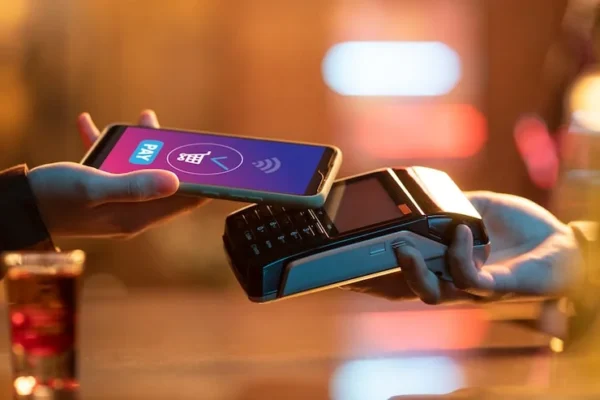
Uruguay is moving into a more connected era of tourism payments as electronic transactions become increasingly common across its leading visitor destinations.
The shift is not a first-time national launch or a programme restricted to selected cities. Instead, it represents the continued expansion of established payment infrastructure, card acceptance and financial technology across the country.
Montevideo, Punta del Este and Colonia del Sacramento remain central to this transition. Meanwhile, Piriápolis, Rocha’s coastal destinations and Salto are becoming more closely connected to Uruguay’s digital tourism economy.
Hotels, restaurants, attractions and retailers increasingly support electronic transactions, particularly within established tourism areas. This gives international visitors greater flexibility while reducing their dependence on cash.
Uruguay’s payment modernisation also complements official visitor benefits. Non-residents receive zero value-added tax on qualifying hotel and accommodation services after presenting foreign identification.
Seasonal tax measures have also encouraged eligible tourism spending through foreign-issued cards and electronic transfers. Travellers should confirm current conditions because benefits, participating services and validity periods can change.
Montevideo Leads the Cashless Transition
Montevideo sits at the centre of Uruguay’s payment modernisation because it combines tourism demand with the country’s strongest financial infrastructure.
The capital welcomes business travellers, cruise passengers and cultural visitors throughout the year. Hotels, restaurants, museums, shops and entertainment venues therefore serve a diverse international audience.
Electronic payments make it easier for travellers to explore Ciudad Vieja, dine near the waterfront or shop during short visits. This can prove especially valuable for cruise passengers with limited time ashore.
The city also anchors Uruguay’s financial technology ecosystem. Its concentration of banks, payment companies and commercial businesses creates favourable conditions for adopting new transaction methods.
For tourism operators, electronic payments can simplify international bookings and improve the purchasing experience. They also help businesses serve guests who prefer familiar cards over repeated currency exchanges.
Punta del Este Supports High-Value Tourism
Cashless convenience has become particularly important in Punta del Este, Uruguay’s leading beach and luxury destination.
The coastal city attracts substantial seasonal demand from Argentina, Brazil and other international markets. Visitors spend across hotels, restaurants, boutiques, nightlife venues and recreation businesses.
International cards and contactless payments can reduce friction during these purchases. They also help businesses manage high transaction volumes during the busy summer period.
For luxury travellers, reliable payment access forms part of the overall destination experience. Guests increasingly expect accommodation, dining and leisure providers to support secure electronic transactions.
Greater payment flexibility may also encourage spending across several tourism sectors. Visitors can move more easily between accommodation, gastronomy, retail and entertainment without relying exclusively on cash.
Colonia Connects Heritage With Convenience
Colonia del Sacramento demonstrates how digital payments can support cultural and heritage tourism.
The city receives international visitors drawn to its UNESCO-listed historic quarter, colonial streets and riverside setting. Its ferry connections also make it a major gateway for travellers arriving from Argentina.
Many visitors spend on boutique accommodation, restaurants, tours, museums, crafts and souvenirs. Electronic payment acceptance helps businesses process these purchases more efficiently.
This capability is especially useful for travellers making short visits from Buenos Aires. Convenient payments allow them to begin exploring without exchanging large amounts of currency.
Colonia’s tourism economy also includes independent operators and family-run businesses. Access to electronic payment systems can help these enterprises participate more fully in international visitor spending.
Technology therefore supports convenience without changing the destination’s historic identity. Travellers can enjoy traditional surroundings while using familiar modern payment methods.
Regional Destinations Join Digital Growth
Uruguay’s cashless shift is gradually extending beyond its three best-known international tourism centres.
Piriápolis benefits from its location between Montevideo and Punta del Este. Its hotels, restaurants and seasonal businesses increasingly serve travellers accustomed to electronic payments.
In Rocha, destinations such as La Paloma and Cabo Polonio attract visitors seeking beaches and nature-based experiences. Wider digital acceptance can support tourism enterprises across these less urbanised locations.
However, visitors exploring remote areas should retain some cash because acceptance and connectivity can vary between individual businesses.
Salto provides another example of digital tourism growth beyond the southern coast. The city’s thermal attractions and regional travel market create demand for modern payment services.
Together, these destinations show how financial accessibility can spread tourism benefits more widely. Smaller businesses gain additional ways to serve foreign customers and manage transactions securely.
National Payment Trends Support Tourism
Uruguay’s wider payment system provides a strong foundation for this tourism transition.
The Central Bank of Uruguay reported about 125 million transfers during the second half of 2025. Transfer volumes increased by 24 percent compared with the same period one year earlier.
Instant transfers reached a record 34 million transactions, rising 50 percent from the first half of 2025. These figures demonstrate the rapid expansion of electronic payment behaviour nationwide.
The tourism sector can benefit from this environment through improved merchant infrastructure and greater familiarity with digital transactions.
Cash remains useful, particularly in remote destinations and among smaller seasonal operators. Nevertheless, electronic payments are becoming increasingly important throughout the visitor journey.
Uruguay’s transition is therefore evolutionary rather than a single launch. By combining modern payment infrastructure with visitor incentives, the country is creating a smoother environment for international travel and tourism spending.
For more travel news like this, keep reading Global Travel Wire