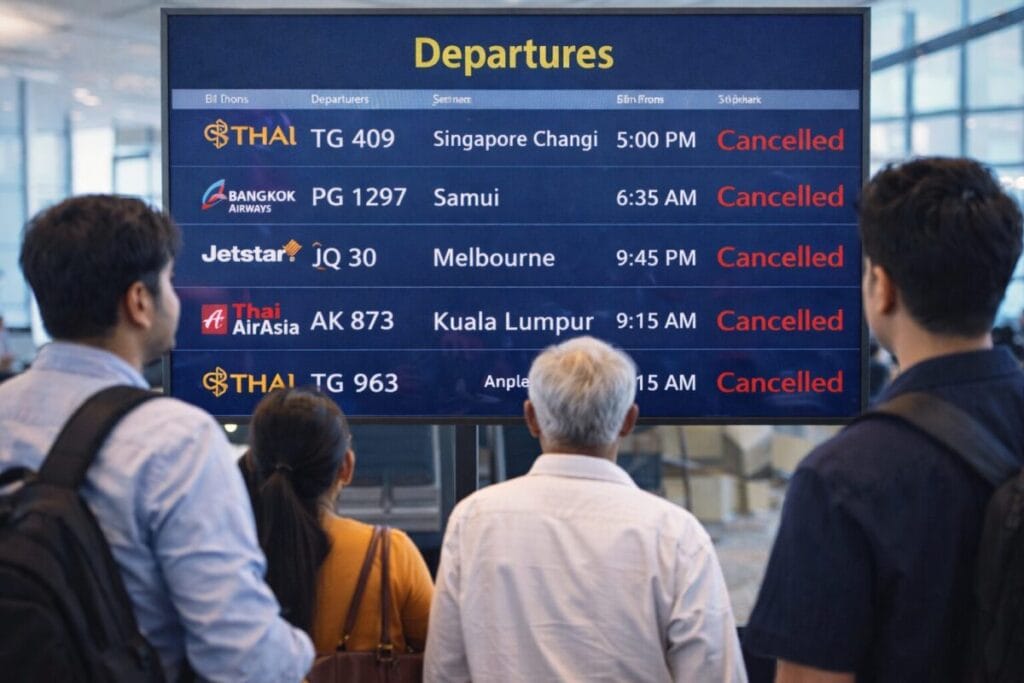
Bangkok flight cancellations disrupted four key departures from Suvarnabhumi Airport and Don Mueang Airport. The affected routes connected Thailand to Singapore, Koh Samui, Melbourne and Kuala Lumpur.
These suspensions impacted domestic, regional and long haul passengers. Bangkok serves as a primary aviation gateway in Southeast Asia. Therefore, even a small number of cancellations can trigger widespread ripple effects.
Thailand aviation delays continue to challenge airline scheduling stability. Operational strain now affects both short haul and intercontinental networks.
Suvarnabhumi Airport Records Multiple Suspensions
Suvarnabhumi Airport disruptions accounted for three of the four cancelled flights. The suspended services covered morning, afternoon and late night slots.
An early morning ATR departure to Koh Samui failed to operate at 6:35 AM. This route serves one of Thailand’s most popular island destinations. Tourists heading to resort hotels faced unexpected itinerary changes.
A Boeing 787 9 flight to Singapore Changi Airport scheduled for 5:00 PM also did not depart. Singapore remains a major transit and business hub. The cancellation disrupted onward connections across Asia and Europe.
Later that evening, a Boeing 787 8 flight to Melbourne Tullamarine Airport scheduled at 9:45 PM was cancelled. This long haul link plays a crucial role in Thailand Australia connectivity.
Long distance passengers often rely on limited daily frequencies. Therefore, rebooking options may require extended waiting periods.
Don Mueang Airport Faces Regional Route Cut
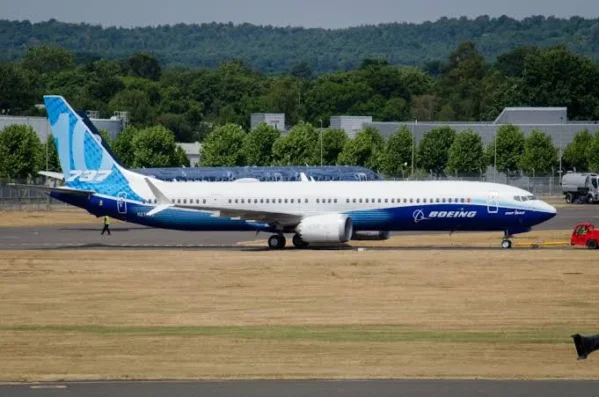
Don Mueang Airport disruptions also contributed to the overall travel disturbance. A Boeing 737 8 MAX departure to Kuala Lumpur International Airport scheduled at 9:15 AM did not operate.
The Bangkok Kuala Lumpur corridor ranks among Southeast Asia’s busiest regional routes. Airlines operate multiple daily services to meet business and leisure demand.
When a cancellation occurs on a high frequency corridor, passengers often expect rapid rebooking. However, seat availability can tighten during peak seasons.
Regional cancellations at Don Mueang add pressure to overall Thailand aviation delays.
Impact on Regional and Long Haul Connectivity
Bangkok acts as a connecting hub for Asia Pacific travel. Flights from Europe, Australia and East Asia often transit through the Thai capital.
When Bangkok flight cancellations occur, they disrupt more than local itineraries. Passengers traveling onward to secondary cities across Thailand or neighboring countries experience cascading delays.
The cancelled Singapore service affected travelers connecting to North America and Europe. The Melbourne cancellation influenced Australia bound holidaymakers and business travelers.
Domestic tourism also faced setbacks due to the Koh Samui suspension. Island resorts depend heavily on air connectivity from Bangkok.
Broader Operational Challenges in Thailand
Thailand aviation authorities continue working to enhance operational resilience. Airports have expanded capacity to handle rising passenger volumes.
Government tourism data shows strong recovery in international arrivals. Increased demand places additional strain on fleet utilization and crew scheduling.
Airlines must balance aircraft rotations, maintenance schedules and staffing levels. When one flight cancels, it can disrupt multiple subsequent sectors.
The diversity of aircraft involved in these cancellations suggests broader network recalibration rather than a single technical issue.
Passenger Experience and Rebooking Complexities
Passengers faced missed connections and revised itineraries. Long haul travelers encountered more complex rebooking scenarios due to fewer replacement flights.
Some passengers needed overnight accommodation while awaiting alternative departures. Others opted for indirect routes via regional hubs.
Travel advisors recommend proactive monitoring of departure status. Early communication with airlines improves rebooking outcomes.
Travel insurance policies that include cancellation coverage provide additional protection. Flexible ticket options also reduce financial impact.
Tourism and Economic Implications
Tourism remains a cornerstone of Thailand’s economy. Stable air connectivity supports hotel occupancy, tour operations and business travel.
Suvarnabhumi Airport disruptions highlight the vulnerability of major transit hubs. Even limited suspensions can influence visitor confidence.
Regional tourism corridors such as Bangkok to Koh Samui rely on consistent service frequency. Interruptions can affect peak season planning.
Long haul cancellations also impact bilateral travel markets. The Melbourne route supports tourism and trade exchange between Thailand and Australia.
Preparing for Ongoing Uncertainty
Travelers transiting Bangkok should allow additional connection time. Monitoring flight alerts through airline apps can provide early updates.
Booking morning or mid day departures may reduce exposure to cascading delays. Passengers should also verify visa validity when rebooking international flights.
Airlines continue working to stabilize operations as demand remains strong. Infrastructure improvements and fleet modernization may enhance long term reliability.
Outlook for Thailand Aviation Stability
Thailand aviation delays reflect the challenges of rapid recovery and network expansion. Airlines must manage capacity carefully while maintaining service standards.
Bangkok flight cancellations remain a reminder of how central hubs influence regional stability. Coordinated planning between airlines and airport authorities remains essential.
Conclusion
Bangkok flight cancellations affecting Singapore, Kuala Lumpur, Melbourne and Koh Samui demonstrate the interconnected nature of modern aviation. Suvarnabhumi Airport disruptions and Don Mueang Airport disruptions impacted both domestic and international travelers.
As Thailand continues strengthening its aviation infrastructure, operational discipline will determine schedule reliability. Travelers passing through Bangkok should remain flexible and informed until Thailand aviation delays show sustained stability across key routes.
For more travel news like this, keep reading Global Travel Wire