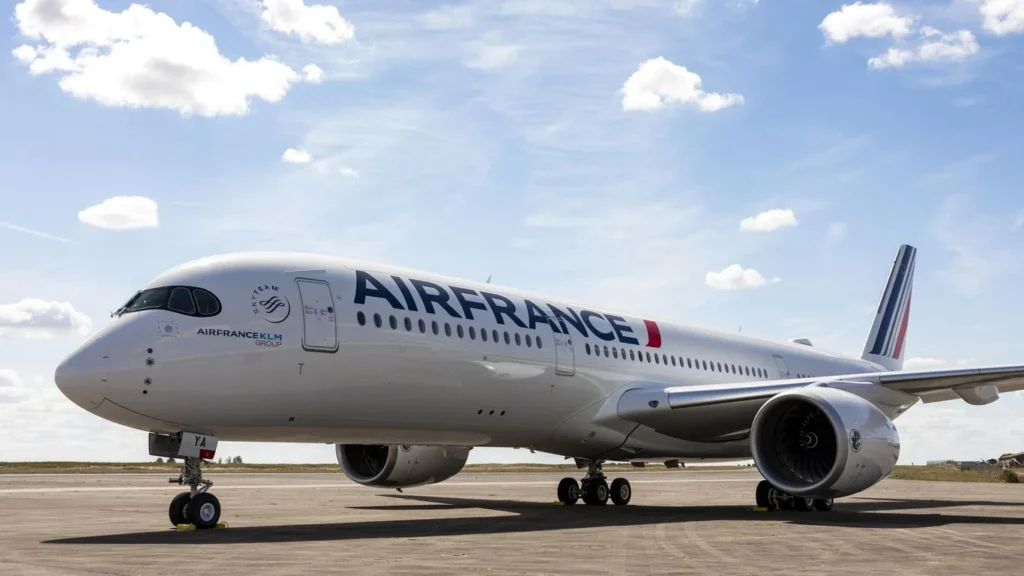
Air France and KLM face combined US penalties of $425,000 over flights through restricted Iraqi airspace carrying Delta Air Lines’ code. The US Department of Transportation announced the enforcement action on 23 October 2026, covering more than 130 historical flights.
Air France received a $105,000 penalty, while KLM received a $320,000 penalty. Investigators identified operations below the minimum altitude prescribed by the Federal Aviation Administration for the affected services.
The case highlights how international codeshare arrangements connect commercial partnerships with aviation compliance. However, the penalties do not constitute a blanket prohibition on either airline’s services or automatically affect existing passenger bookings.
Investigations Cover Several Years of Flights
The department identified more than 30 affected Air France flights between April 2022 and November 2025. KLM operated more than 100 between January 2022 and May 2025.
Both carriers used Delta’s designator code on the flights examined. The department also ordered the airlines to cease and desist from similar violations.
Under the enforcement terms, the carriers must pay a combined $265,000 within 60 days. Another $160,000 becomes payable if further violations occur within one year.
These findings concern specific past operations. They do not establish that every flight operated by either airline breached an airspace restriction.
Altitude Restrictions Address Conflict-Zone Risks
The FAA restriction covers specified aviation operations within the Baghdad Flight Information Region below Flight Level 320. That level corresponds to approximately 32,000 feet under standard pressure settings.
The rule remains extended until 26 October 2027. Its scope depends on the operators, aircraft and circumstances covered by the regulation.
Conflict-zone risks can involve military operations, missiles, drones and possible misidentification by air-defence systems. Airlines must assess these hazards alongside instructions governing their particular services.
Separately, European aviation guidance recommends avoiding the Baghdad region at all altitudes. That bulletin remains valid until 16 November 2026, unless reviewed earlier.
The distinction matters because a binding restriction and a safety recommendation carry different regulatory implications. Airlines must identify and follow the requirements applicable to each operation.
Delta Codeshare Arrangements Explain US Involvement
Codesharing allows passengers to book a flight under one airline’s number while another carrier supplies the aircraft and crew.
In this case, Air France and KLM operated the aircraft, while the affected services carried Delta’s code. The department said foreign carriers using a US airline’s code must comply with applicable FAA prohibitions.
Such partnerships help airlines offer broader networks and coordinated international journeys. However, the commercial arrangement also requires partners to align route planning with relevant regulatory obligations.
For travellers, the case illustrates why the operating airline matters. The carrier displayed prominently during booking may differ from the airline actually conducting the flight.
Airlines Cite Air Traffic Control Instructions
Air France and KLM argued that air traffic control instructions influenced the altitude changes identified by investigators.
The carriers said controllers instructed crews to descend or prevented them from climbing because of conflicting traffic. They also argued that an emergency exemption should apply.
Those explanations represent the airlines’ positions during the proceedings. The enforcement action does not establish that authorities accepted their arguments or exempted the affected flights.
The circumstances highlight the operational challenge of managing traffic instructions near restricted altitude boundaries. Nevertheless, the available information does not show that every flight encountered identical conditions.
It also does not establish that the identified operations resulted in an attack, collision or passenger injury.
Tourism Connections Depend on Reliable Operations
For international tourism, dependable aviation links support hotel stays, business meetings, organised tours and onward transport.
Airspace restrictions can influence those journeys when airlines adjust flight paths or schedules. Longer routings may require additional fuel and affect aircraft utilisation or crew planning.
However, the penalties do not establish that Air France or KLM will cancel particular routes or increase ticket prices. Any future changes would require separate operational or commercial decisions.
Tourism businesses should therefore distinguish this historical enforcement case from confirmed changes affecting upcoming arrivals.
Passenger Bookings Remain a Separate Issue
The fines do not automatically invalidate tickets or indicate that every current itinerary faces disruption.
Passengers can identify the operating carrier within their booking details and follow airline notifications concerning any schedule changes. Connecting journeys deserve particular attention when revised arrival times affect onward departures.
For airlines and their partners, the central requirement remains consistent: commercial cooperation must operate alongside effective flight planning and regulatory compliance. The case brings renewed attention to those responsibilities across international travel networks.
For more travel news like this, keep reading Global Travel Wire