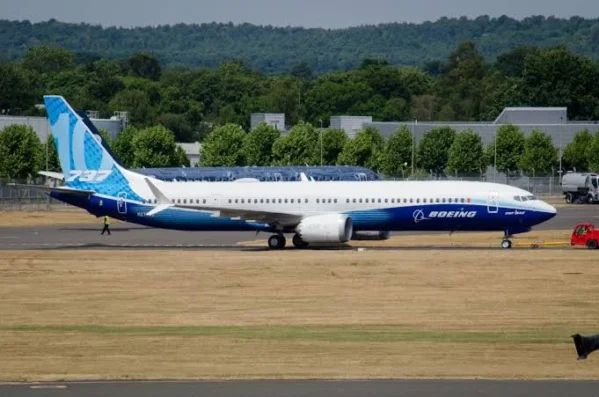
The Federal Aviation Administration approved Boeing’s 737 MAX 10 on 20 October 2026, clearing a major hurdle for aircraft deliveries. The decision brings the largest MAX variant closer to airline fleets, with potential implications for tourism capacity.
The FAA issued an amended type certificate and updated production authorisation following extensive design and safety reviews. However, the approval does not announce new routes to New York, Orlando, Las Vegas or other destinations.
For travellers, the immediate significance concerns future aircraft availability. Airlines will decide where additional seats enter their networks after deliveries and operational preparations.
Larger Aircraft Creates Capacity Options
The MAX 10 typically accommodates 185–210 passengers in two classes, with a maximum configuration of 230 seats. Its published range reaches approximately 3,100 nautical miles, or 5,740 kilometres.
That combination makes the aircraft relevant to domestic and international short-to-medium-haul networks. Airlines could use its additional seating to serve busy markets without deploying widebody aircraft.
Boeing reported 1,555 orders from more than 30 customers when announcing certification. It expects deliveries to begin in the coming months, although individual airline schedules remain a separate consideration.
For tourism destinations, the potential benefit comes from greater access. More seats on an established service can help accommodate holiday demand even without an additional daily departure.
Nevertheless, an aircraft delivery can also replace older equipment. Fleet growth and increased destination capacity therefore require airline-specific confirmation.
New York, Orlando and Las Vegas Await Deployment Decisions
New York, Orlando and Las Vegas illustrate the different travel markets airlines may assess when allocating larger aircraft.
New York combines business travel, cultural tourism and international connections. Orlando attracts families through its theme parks, entertainment venues and extensive accommodation sector.
Las Vegas draws leisure visitors alongside convention delegates and event audiences. These markets can experience concentrated demand around holidays, major gatherings and school breaks.
A larger single-aisle aircraft could help airlines respond when demand supports additional seats. However, certification alone provides no evidence of a MAX 10 route launch to any of these cities.
Chicago and Los Angeles also feature in the wider discussion because of their substantial aviation networks. Actual deployment will depend on airline priorities, airport conditions and aircraft availability.
Safety Reviews Remain Central
The FAA required improvements addressing the Aircraft Certification, Safety, and Accountability Act and National Transportation Safety Board recommendations. These included flight-control changes incorporating an enhanced angle-of-attack system.
Boeing’s certification programme involved nearly 1,000 test flights, more than 2,000 flight hours and approximately 1,000 ground-testing hours.
The manufacturer also described the aircraft as its first commercial model certified fully under the 2020 legislation. Those requirements included expanded safety documentation and human-factors evaluations.
These milestones concern the approved aircraft design. Manufacturing quality, aircraft acceptance and airline readiness remain important as the programme moves towards commercial operations.
Airlines Must Prepare Before Passenger Flights
United Airlines and Delta Air Lines are among the customers identified in the supplied information. Other listed customers include American Airlines, Alaska Airlines and Ryanair.
Their future deployment decisions could influence both domestic tourism and international travel. However, order commitments do not establish delivery dates or confirm where passengers will encounter the aircraft.
Airlines must prepare crews, maintenance support and operational procedures before introducing a new aircraft variant. They must also incorporate deliveries into schedules and determine the appropriate cabin configuration.
International operators face applicable requirements from their own aviation authorities. Consequently, FAA approval and entry into service outside the United States represent distinct steps.
Travellers should rely on published airline schedules when planning journeys. Aircraft orders and certification announcements cannot substitute for bookable services.
Tourism Benefits Depend on Delivered Seats
For hotels, attractions and destination businesses, additional airline capacity can create opportunities to reach more customers. The effect depends on where aircraft operate and whether passengers purchase the available seats.
Greater capacity may help airlines serve peak periods, including summer holidays and major events. It may also support existing routes where passenger demand exceeds current availability.
However, certification does not guarantee lower fares. Pricing will continue to reflect demand, competition, operating costs and booking conditions.
Likewise, increased seating does not establish a specific increase in visitor spending or hospitality employment. Those outcomes require subsequent passenger and tourism performance data.
The next meaningful developments will be confirmed deliveries, airline entry-into-service announcements and published deployment plans. These will show how the MAX 10’s regulatory progress translates into practical choices for travellers and tourism destinations.
For more travel news like this, keep reading Global Travel Wire