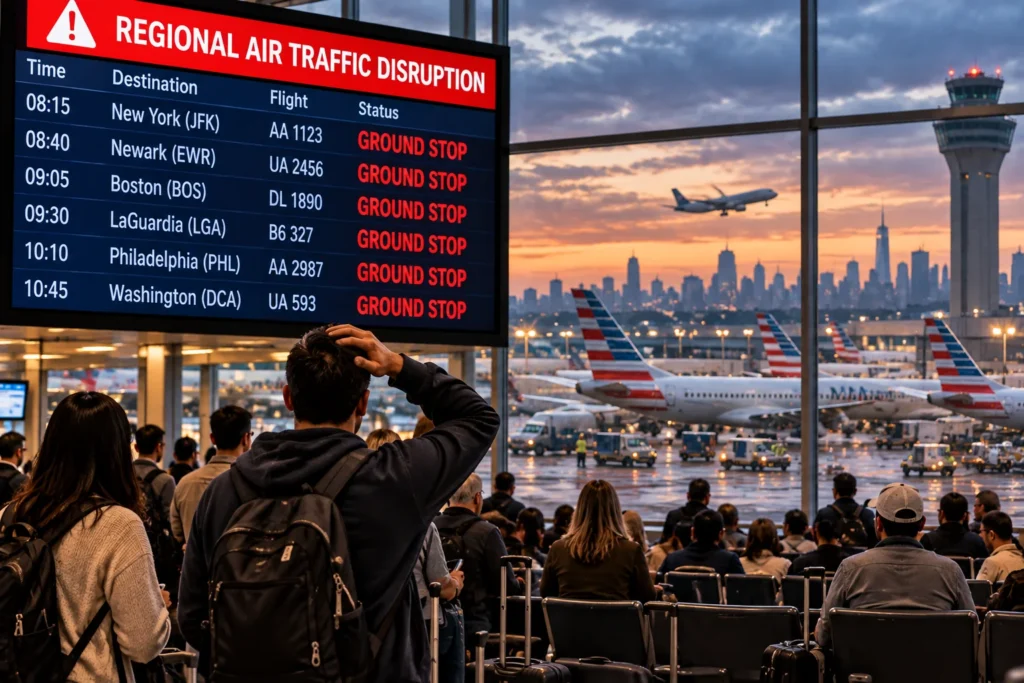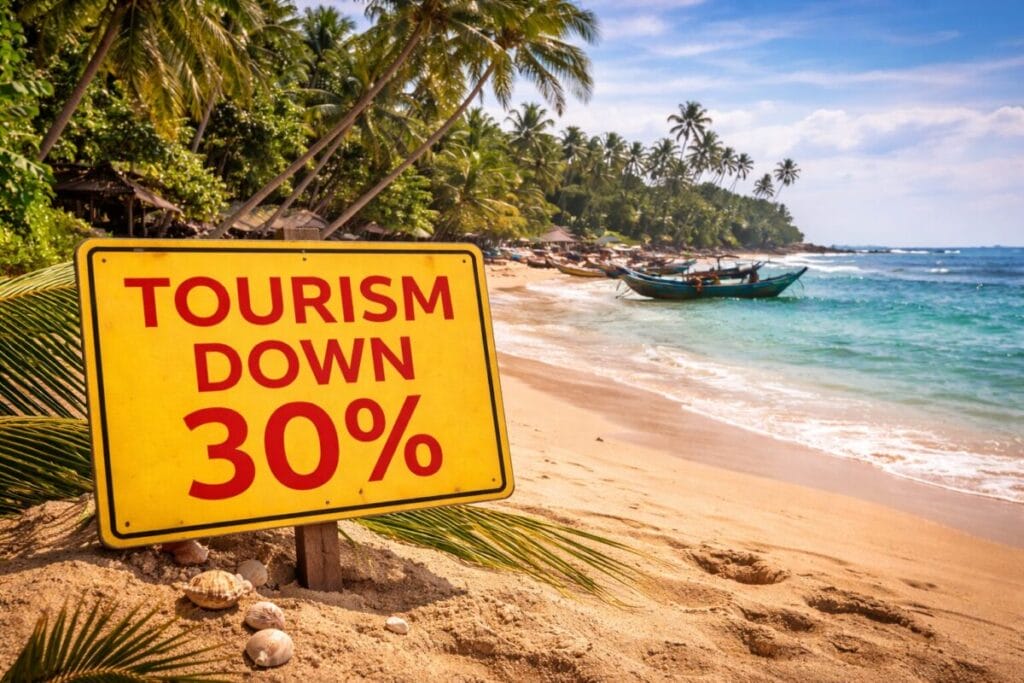
Sri Lanka’s tourism industry is experiencing a significant downturn as international arrivals drop by nearly 30 percent amid ongoing geopolitical tensions in the Middle East. The sharp decline has been linked to hundreds of cancelled flights that were scheduled to bring travelers to the island nation, creating a major challenge for one of the country’s most important economic sectors.
Tourism authorities report that approximately 768 flights expected to carry international visitors were cancelled in recent months, severely reducing the number of tourists arriving in Sri Lanka. The impact is being felt across the hospitality industry, from hotels and resorts to tour operators, transport services, and small businesses that rely heavily on foreign visitors.
With tourism contributing a substantial share of the national economy and providing employment for hundreds of thousands of people, the sudden drop in arrivals has raised concerns about how the sector will recover during a period of global uncertainty.
Flight Cancellations Disrupt International Travel to Sri Lanka
The cancellation of hundreds of flights has played a central role in the decline of tourist arrivals. Airlines operating routes from several regions affected by geopolitical tensions have reduced services, forcing many travelers to postpone or cancel their trips.
The Middle East has historically been one of the most important travel markets for Sri Lanka. Visitors from Gulf countries regularly travel to the island for beach holidays, cultural experiences, and luxury tourism. The reduction in flights from this region has therefore had an immediate effect on visitor numbers.
Travel industry analysts note that when airline connectivity weakens, tourism flows often decline rapidly because travelers seek destinations with easier access and reliable flight schedules. For an island nation like Sri Lanka, air travel is the primary gateway for international tourists, making the aviation sector critical to maintaining steady tourism demand.
Tourism Sector Faces Economic Pressure
The decline in visitor arrivals has created financial pressure for businesses throughout the tourism supply chain. Hotels, guesthouses, restaurants, travel agencies, and transport operators depend heavily on foreign tourists, particularly during peak travel seasons.
When tourist numbers fall, the economic effects quickly spread to local communities. Small businesses that provide services such as guided tours, handicrafts, and cultural experiences often experience immediate reductions in income.
Tourism also supports thousands of jobs across Sri Lanka, from hotel staff and drivers to chefs and tour guides. A prolonged drop in international arrivals could place additional pressure on employment in regions that rely heavily on tourism activity.
Despite the current challenges, tourism leaders emphasize that Sri Lanka continues to offer unique attractions that appeal to travelers worldwide, including pristine beaches, historic temples, wildlife reserves, and scenic hill country landscapes.
Government Strategies to Revitalize Tourism
In response to the decline, Sri Lankan authorities are working to introduce new strategies aimed at revitalizing the tourism sector. One of the key initiatives involves improving the country’s aviation infrastructure to attract more international airlines and increase connectivity.
Plans are being discussed to further develop Mattala Rajapaksa International Airport as part of a broader effort to strengthen Sri Lanka’s tourism network. Enhancing airport capacity and operational efficiency could help bring more airlines and routes to the country once global travel conditions stabilize.
Tourism promotion campaigns are also expected to focus on highlighting Sri Lanka’s diverse travel experiences. From ancient heritage sites and vibrant festivals to eco-tourism adventures and luxury resorts, the country offers a wide variety of attractions designed to appeal to travelers from different markets.
Officials believe that promoting Sri Lanka as a safe and welcoming destination will play an important role in restoring visitor confidence.
Impact of Global Conflicts on Tourism
The situation in Sri Lanka reflects how global geopolitical events can influence tourism patterns worldwide. When conflicts or instability affect major travel regions, airlines often adjust routes or suspend services, which can disrupt tourism flows to distant destinations.
Such disruptions can have ripple effects throughout international travel networks. For destinations that rely on visitors from specific regions, sudden changes in airline schedules can significantly affect tourism performance.
Industry experts note that diversification of tourism markets is an important strategy for countries seeking to protect their tourism industries from external shocks. By attracting visitors from a wider range of countries, destinations can reduce dependence on a single region.
Efforts to Expand Tourism Markets
Sri Lanka is increasingly exploring opportunities to attract travelers from new regions to balance fluctuations in traditional markets. Tourism authorities are strengthening promotional efforts in Asia, Europe, and emerging travel markets where demand for cultural and nature-based tourism is growing.
Marketing campaigns are also emphasizing Sri Lanka’s reputation as a year-round destination offering a wide range of experiences. Travelers can explore ancient archaeological sites, visit wildlife parks known for elephants and leopards, relax on tropical beaches, or take scenic train journeys through lush tea plantations.
Developing new partnerships with international airlines and tour operators is another strategy aimed at boosting visitor numbers in the long term.
Tourism Remains a Key Pillar of Sri Lanka’s Economy
Despite the current decline in arrivals, tourism continues to be one of the most vital industries in Sri Lanka’s economy. Before recent disruptions, the country had been experiencing steady growth in visitor numbers, supported by improved infrastructure and global marketing campaigns.
Many tourism professionals remain optimistic that the sector will recover once flight connections stabilize and global travel conditions improve. Sri Lanka’s natural beauty, cultural heritage, and hospitality industry remain powerful attractions for travelers seeking unique experiences in South Asia.
For now, the government and tourism stakeholders are focused on strengthening the sector’s resilience by improving infrastructure, diversifying tourism markets, and promoting the country’s diverse travel offerings.
While the recent drop in arrivals represents a major challenge, Sri Lanka’s tourism industry is working to adapt and position itself for recovery as global travel gradually stabilizes.
For more travel news like this, keep reading Global Travel Wire