Germany has issued a travel advisory for Switzerland as unpredictable spring weather and increasing safety concerns emerge across the Alpine region. The advisory encourages travelers to remain cautious while visiting Switzerland, especially those planning outdoor activities such as skiing, hiking, and mountaineering in high-altitude areas.
Spring is traditionally a popular time for tourism in Switzerland’s mountains, with visitors arriving to enjoy late-season skiing, scenic hiking trails, and spectacular Alpine views. However, fluctuating temperatures and rapidly changing weather conditions are creating potentially hazardous situations for tourists exploring the country’s famous mountain landscapes.
Authorities are urging visitors to stay informed about weather conditions, follow local safety guidance, and take precautions when participating in outdoor activities.
Unpredictable Alpine Weather Poses Challenges for Visitors
Weather patterns in the Swiss Alps can change quickly, particularly during the transition from winter to spring. Warmer daytime temperatures combined with lingering snow from the winter season can create unstable mountain conditions.
Tourists heading into higher elevations may encounter icy trails, melting snowpacks, or sudden storms that reduce visibility and increase the risk of accidents. These changing conditions can affect both skiing areas and hiking routes, especially in remote locations where terrain can become slippery or unstable.
Mountain safety experts recommend that visitors regularly monitor weather forecasts before setting out for any outdoor adventure. Proper equipment, including warm clothing, waterproof gear, and reliable footwear, is essential for anyone traveling into Alpine terrain during this time of year.
Avalanche Risks Remain a Concern in High-Altitude Regions
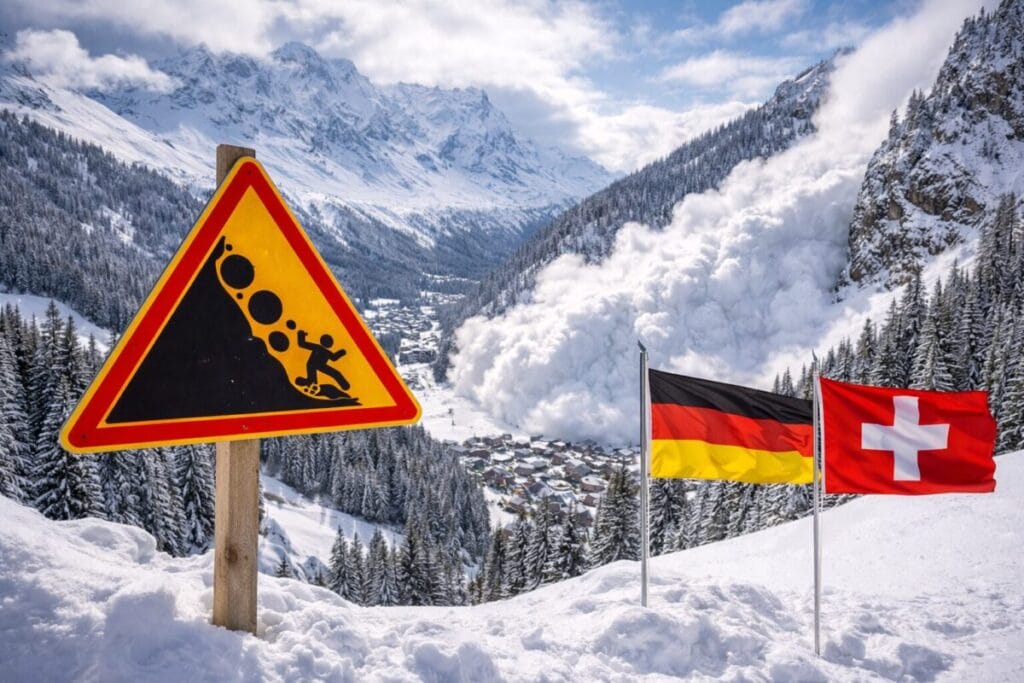
One of the major concerns highlighted in the advisory is the increased risk of avalanches in the Alps during spring. As temperatures rise during the day and fall again at night, snow layers can become unstable, increasing the possibility of sudden snow slides.
Avalanches can occur even in areas that appear safe, particularly in backcountry zones outside managed ski resorts. For this reason, travelers are encouraged to stay within marked ski areas and avoid venturing into unmonitored slopes unless accompanied by experienced guides.
Skiers, snowboarders, and mountaineers who plan to explore off-piste terrain are advised to carry proper safety equipment, including avalanche beacons, probes, and shovels. Understanding local avalanche warnings and respecting safety barriers are essential steps to reduce risk.
Growing Pickpocketing Concerns in Busy Tourist Areas
In addition to environmental risks, the advisory also highlights security concerns in busy urban areas and transportation hubs. Popular tourist locations such as major train stations, airports, and crowded city centers can sometimes attract opportunistic thieves targeting travelers.
Visitors are encouraged to remain alert in crowded spaces and take basic precautions to protect personal belongings. Keeping wallets, passports, and electronic devices secure is particularly important when using public transport or visiting popular attractions.
Travel safety experts recommend using anti-theft bags, avoiding displaying expensive items in public, and keeping important documents stored safely when not in use.
Importance of Travel Insurance for Mountain Activities
Another key recommendation for travelers visiting Switzerland is ensuring they have comprehensive travel insurance coverage. Outdoor activities in mountainous environments carry inherent risks, and emergency rescues in the Alps can be costly.
Search and rescue operations may involve helicopters and specialized mountain teams, especially when accidents occur in remote or high-altitude locations. Without adequate insurance coverage, the cost of emergency evacuations can be extremely high.
Travelers planning skiing, hiking, or adventure sports are advised to review their insurance policies carefully to ensure they include coverage for mountain rescues and medical emergencies.
Entry Requirements and Border Considerations
Although Switzerland and Germany both belong to the Schengen Area, travelers crossing the border may still encounter identity checks or documentation requests in certain situations. Visitors should carry valid identification and proof of accommodation or travel plans when entering the country.
Authorities also advise travelers to keep digital copies of important documents such as passports, visas, or residence permits in case they are needed during travel.
These measures help ensure smooth entry procedures and prevent potential delays when traveling between neighboring countries.
Driving Regulations for Visitors
Tourists planning to explore Switzerland by car should be aware of specific road regulations. Vehicles using Swiss motorways must display a valid motorway vignette, a toll sticker required for access to the country’s highway network.
The vignette can be purchased in digital form or as a physical sticker and must be obtained before driving on motorways. Failure to display the required toll permit can result in fines.
Drivers should also prepare for mountain road conditions that may change quickly during spring due to snowmelt or sudden weather shifts.
Tourism Continues Despite Seasonal Challenges
Despite the advisory and seasonal challenges, Switzerland remains one of Europe’s most sought-after travel destinations. The country attracts visitors year-round with its dramatic mountain scenery, historic cities, and world-famous ski resorts.
Spring offers unique experiences such as late-season skiing, scenic train journeys through the Alps, and cultural festivals in cities like Zurich, Geneva, and Lucerne. However, travelers are encouraged to approach mountain activities with caution and proper preparation.
By staying informed, respecting safety recommendations, and planning ahead, visitors can still enjoy Switzerland’s breathtaking landscapes while minimizing potential risks.
As travel demand continues to grow, authorities emphasize that awareness and preparation are key to ensuring safe and memorable experiences in the Swiss Alps.
For more travel news like this, keep reading Global Travel Wire