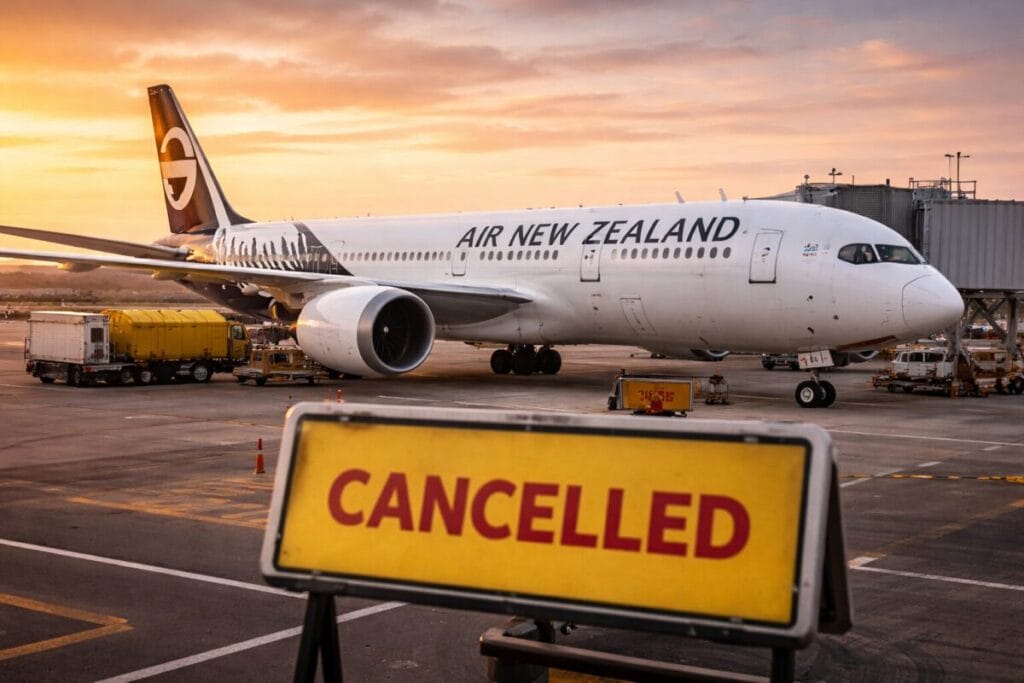
Air New Zealand has announced the cancellation of approximately 1,100 flights over the next two months as the airline responds to soaring global fuel prices. The decision is expected to affect nearly 44,000 passengers and represents about five percent of the airline’s scheduled services during the affected period. The move highlights the growing pressure on airlines worldwide as fuel costs continue to rise amid geopolitical tensions and market instability.
The flight reductions will primarily impact domestic routes across New Zealand, although several international services will also experience schedule adjustments. As the country’s primary carrier, Air New Zealand plays a vital role in connecting major cities and regional destinations, making the announcement significant for travelers, tourism operators, and businesses alike.
Airline officials explained that the cancellations are part of broader operational adjustments designed to manage increasing fuel expenses while maintaining essential routes. With aviation fuel representing one of the largest operating costs for airlines, even small fluctuations in global energy markets can have a significant impact on airline schedules and ticket pricing.
Domestic Routes Expected to See the Largest Impact
Most of the cancelled flights will affect domestic services linking New Zealand’s key cities, including Auckland, Wellington, and Christchurch. These routes serve as critical travel corridors for both residents and tourists moving between the country’s North and South Islands.
Domestic air travel plays a particularly important role in New Zealand because of the country’s geography. Many travelers rely on short flights to reach regional destinations quickly, especially when visiting popular tourism areas such as Queenstown, Rotorua, or Dunedin. Reduced flight availability may therefore create challenges for passengers who depend on frequent connections for leisure travel, family visits, and work-related trips.
Industry analysts suggest that travelers may encounter fuller flights on remaining services as airlines attempt to consolidate demand. Some passengers may need to adjust departure times or choose alternative travel dates to secure seats on available flights.
International Flights Also Adjusted
Although domestic services will bear the majority of the reductions, some international routes will also be affected. Air New Zealand confirmed that certain long-haul services to regions including Asia and Europe may see schedule changes as the airline balances demand with operational costs.
However, flights connecting New Zealand with the United States are expected to continue operating normally. These routes remain highly important due to strong demand from both tourism and business travelers. In recent years, U.S. routes have also served as key transit options for passengers traveling onward to Europe.
For international travelers planning trips to New Zealand, the reduced number of flights could mean fewer scheduling options and longer travel planning timelines. Passengers may need to confirm bookings early or remain flexible with their travel arrangements as airlines continue to adapt to changing conditions.
Tourism Industry Faces Additional Challenges
The flight cancellations arrive at a sensitive moment for New Zealand’s tourism sector. The country has been steadily rebuilding visitor numbers following the global pandemic and other travel disruptions that significantly affected the industry over recent years.
Tourism remains one of New Zealand’s most important economic sectors, drawing millions of visitors each year to experience its landscapes, adventure tourism activities, and cultural attractions. From the dramatic fjords of Milford Sound to the geothermal wonders of Rotorua, international travelers play a crucial role in supporting local businesses across the country.
Reduced flight capacity could create uncertainty for both travelers and tourism operators. Hotels, tour companies, and regional tourism boards depend heavily on reliable air connections to bring visitors into the country and distribute them across various destinations.
Domestic tourism may also experience ripple effects. Many residents travel within the country for holidays or special events, and fewer available flights could impact travel planning during peak periods.
Business Travel and Corporate Events Affected
The reduction in flights is also likely to influence business travel throughout New Zealand. Companies frequently rely on air travel to connect offices in different regions, attend conferences, and meet with clients or partners.
With fewer flights available, business travelers may need to plan trips further in advance or consider alternative travel arrangements. In some cases, travelers may need to combine flights with other transportation options such as ferries or road travel.
International business relationships could also be affected if schedule changes create longer travel times or fewer direct connections. As global industries continue to rebuild travel activity, reliable airline connectivity remains essential for economic collaboration.
Airline Support for Affected Passengers
Air New Zealand has stated that it will work closely with passengers impacted by the cancellations to provide alternative travel solutions. Customers whose flights are cancelled are expected to receive rebooking options on different services where seats are available.
In certain cases, travelers may also be transferred to partner airline flights to ensure they can reach their destinations. Customer support teams are assisting passengers with itinerary adjustments and offering guidance on available travel options.
Passengers are encouraged to monitor their flight status and check notifications from the airline to stay updated on any changes. Travelers with flexible schedules may find it easier to secure alternative flights during busy travel periods.
Global Aviation Facing Fuel Cost Pressure
The situation facing Air New Zealand reflects a broader challenge affecting the global aviation industry. Rising fuel prices have forced many airlines to reassess route networks, adjust schedules, or increase ticket prices to manage operating costs.
Aviation fuel can account for a large portion of airline expenses, and sustained price increases place considerable financial pressure on carriers. In response, airlines often implement measures such as optimizing routes, consolidating flights, or temporarily reducing services.
For travelers, these adjustments may result in fewer flight options or higher ticket prices as airlines attempt to balance demand with economic realities.
Travelers Advised to Plan Ahead
As the aviation industry continues to navigate fluctuating fuel costs and operational pressures, travelers heading to or within New Zealand are encouraged to plan their journeys carefully. Booking flights early, staying flexible with travel dates, and monitoring airline updates can help minimize potential disruptions.
Despite these challenges, New Zealand remains a sought-after destination known for its natural beauty, vibrant cities, and welcoming tourism experiences. While airline schedule changes may temporarily affect travel plans, the country continues to attract visitors eager to explore its landscapes and culture.
For now, passengers planning trips in the coming months should remain attentive to airline updates and prepare for possible adjustments as the aviation sector adapts to changing global conditions.
For more travel news like this, keep reading Global Travel Wire